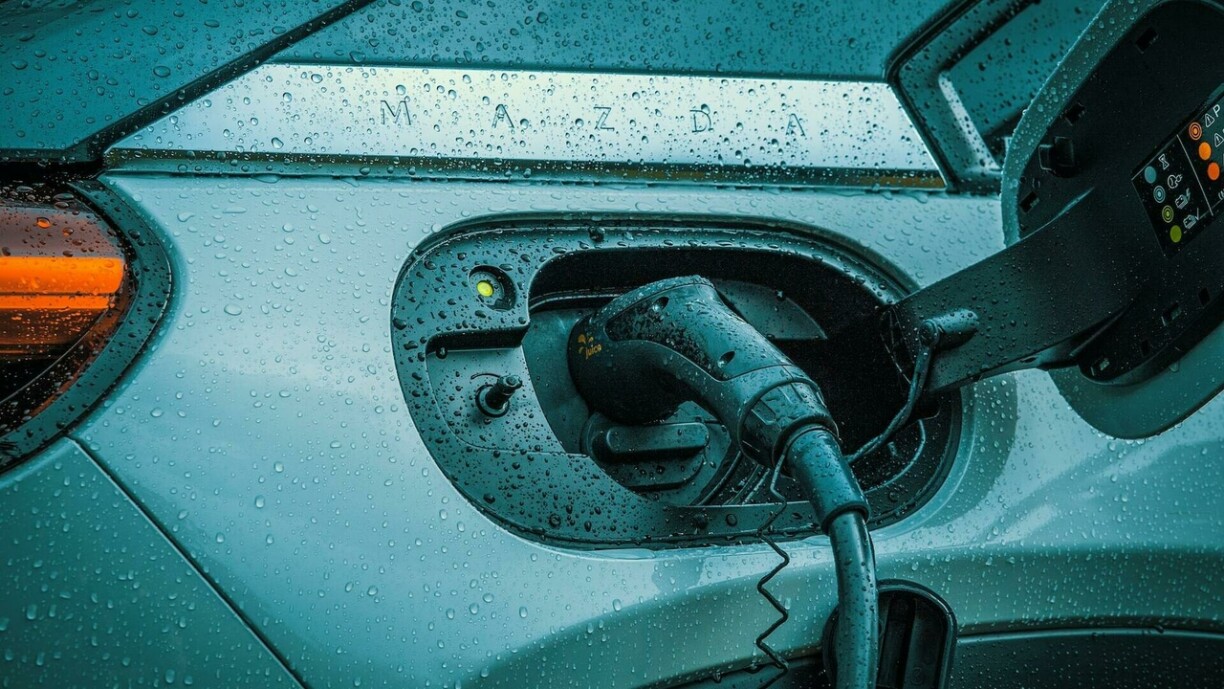
At present, only a meager 4.1% of the approximately 444,000 cars in the Grand Duchy are electric. This stark contrast between aspiration and actualisation underscores the myriad challenges the country faces on its path towards a sustainable automotive future.
"The country still has a lot of work to do," commented Gerry Wagner, spokesperson for the House of Automobile, in an interview with RTL.
With 2% in 2021 and 3.1% at the end of 2022, the pace of change has not been very rapid. Another important fact is that it is mainly company cars that are pushing the statistics, representing just over 11% of all electric cars. As for private individuals, only 1.6% own a fully electric car.
Many people tend to wonder what their electric vehicle will still be worth in a few years' time as potential buyers are aware of new, more efficient or powerful technologies that might be installed in future vehicles. As a result, leasing these cars is quite popular with private customers.
"According to our estimates, 80% of cars leased to private customers these days are electric cars. This way, customers don't have to worry about the value of their vehicle when they return it to the dealership", explained Wagner.
The purchasing price of an electric vehicle remains rather high in comparison to a combustion engine.
According to Wagner, the government should focus less on communicating about public charging stations, but private instead: "The most important thing is to allow motorists to recharge their vehicles at home or at work, which is more comfortable. People who live in apartments and need a permit that is not allocated to them will end up opting for a combustion engine instead, because there is no easy recharging option."
Wagner also pointed out that many people live in apartments or houses that do not always have a garage. Solutions need to be found in this area, "and the €8,000 bonus must certainly not be reduced or abandoned", concluded the expert.





