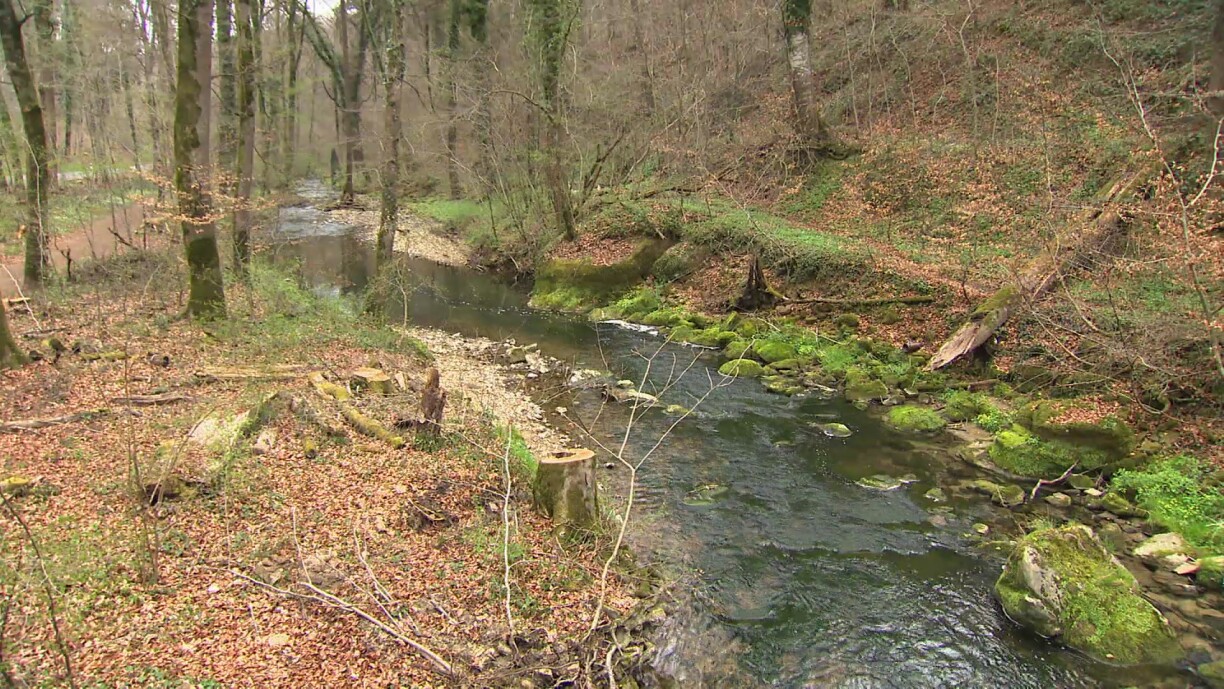
Luxembourg's ecosystem is characterised by complexity and diversity, as shown by its varied landscapes and its many local plants and animals. Faced with the challenge of protecting this diversity, the OEN was founded in 2005 to coordinate the different tasks of local actors working in the field. The OEN is a scientific commission that evaluates the current state of nature, coordinates the different projects of each nature protection organisation, and takes position on environmental policies. As such, the OEN published an opinion on the draft law presented last November.
A positive highlight of the draft law is the simplification of procedures that would make nature protection more accessible in the field, explains Jessie Thill, president of the OEN. And yet, there are a few aspects that remain unclear.
Thill explains that the draft law was created under the slogan of "building more and building faster" with the aim of solving housing problems, but the OEN fears that the law would create even more problems, stating that they are convinced nature would not be protected adequately and, importantly, the law would not lead to more housing construction.
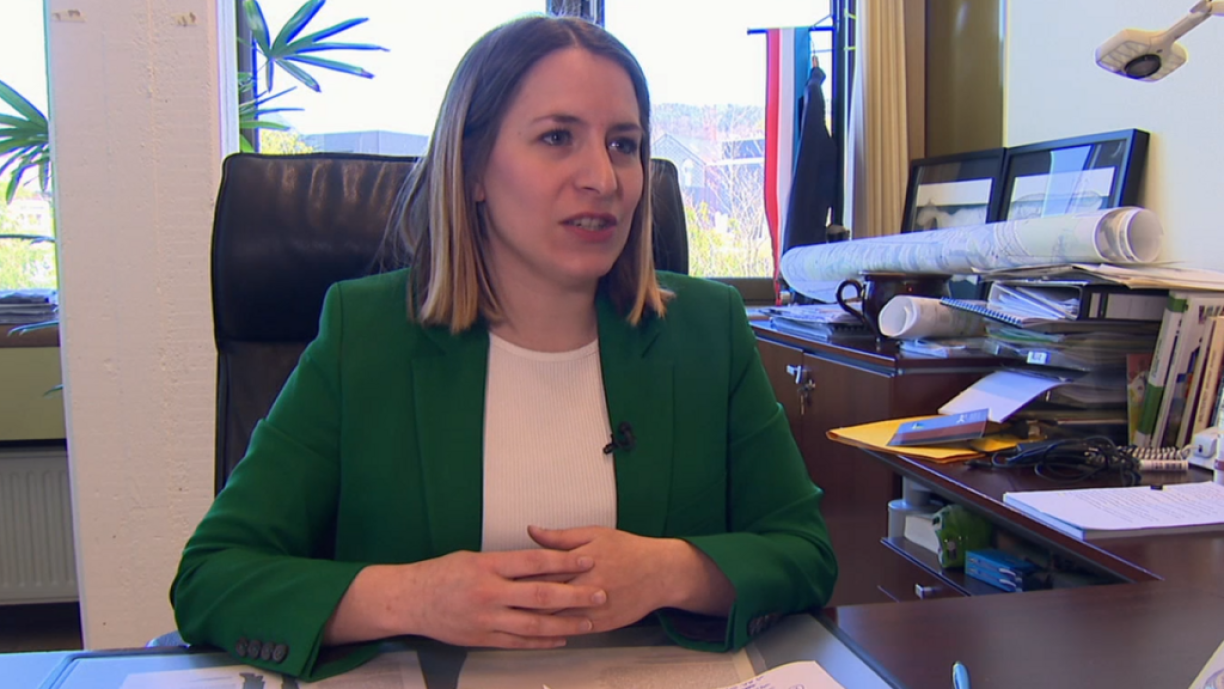
Another unclear aspect regards compensation measures, prompting Thill to question how these would work, as the draft law does not make it clear. She questions whether the land meant as compensation will actually be available and whether they will be in good quality.
In short, the draft law states that municipalities can offset the negative consequences of their activities through compensatory pools, that is, plots of land where biotopes or habitats may be relocated. Thill voices her concern on the vagueness of the term "compensatory pool", as the draft law states that municipalities can use the "nearest compensatory pools", but no clear definition of "nearest" is provided. In this regard, Thill does not see how animals can be practically relocated to a plot that lies a few kilometres away, as they have a different sense of orientation.
Another point of criticism is the regulation of green areas lying outside of green zones, or so-called urban woodland cover. The draft law states that municipal activities, such as construction, cannot disturb the functionality of an ecosystem when the percentage of urban woodland cover is more than 20%. The OEN criticises this percentage, calling it scientifically unfounded.
Furthermore, Thill points once again to the vagueness of the formulation, as there is no distinction between private and public land, making it unclear who would be in charge of the maintenance of the urban woodland cover. She also questions the feasibility of this idea for the survival of local species, pointing to scientific studies that highlight the importance of smaller surfaces for species to migrate to and fro. Thill criticises that it is not clear how this could actually be implemented in a functional way.
Concrete demands from the OEN focus primarily on a clearer formulation of the proposed measures in the draft law, mentioning the possibility of dispensations in green zones as an example. Finally, according to the OEN, independent studies conducted in collaboration with actors in the field should also determine how feasible the compensation measures would be.





