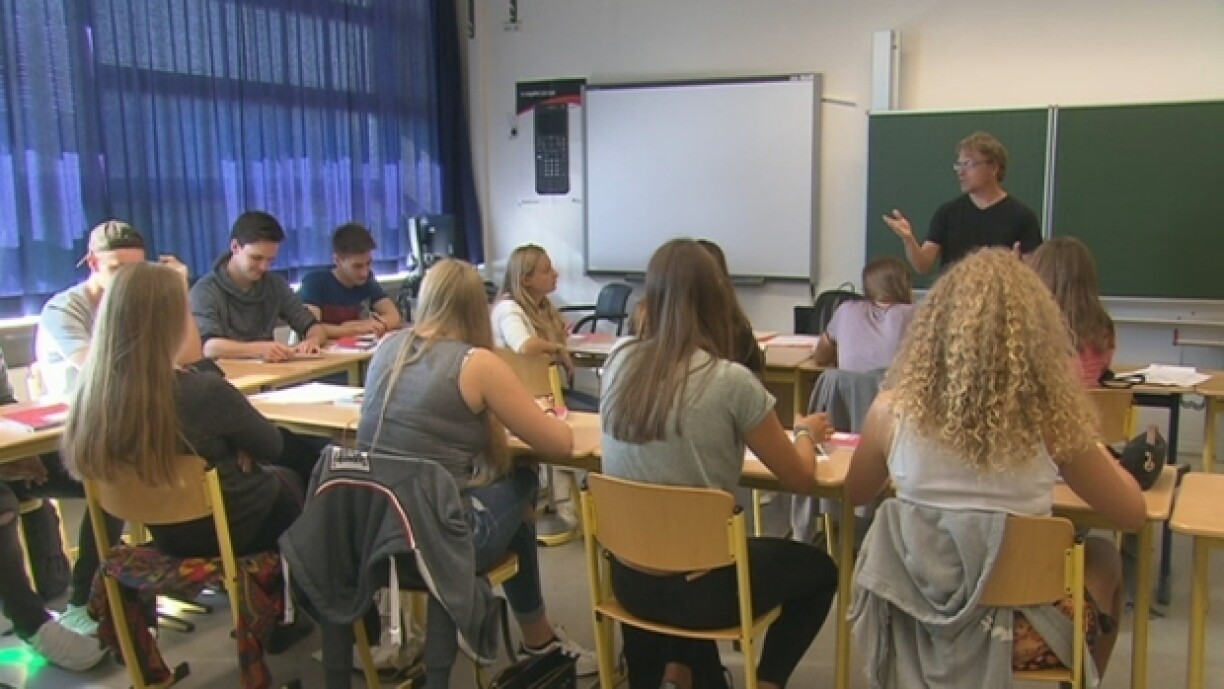
The study shows that pupils from the European system on average perform better than those in the Luxembourgish system, as was recorded in mathematics, for example.
In addition, pupils from European schools generally have a higher socio-economic status than those from Luxembourg schools, and French or English is also often spoken at home. From the parents' perspective, the diversity of languages is the main reason why they send their children to a European school, believes Sonja Ugen from the Luxembourg Center for Educational Testing (LUCET).
Moreover, the educational pathways of pupils from the two systems are different, the study says. In the European system, for example, there is less of an academic delay.
Minister of Education Claude Meisch responded positively to the conclusion that the European system achieves better results on average, despite the fewer repetitions of academic years. 'It gives us food for thought,' he reacted.
The study shows several ways in which Luxembourg pupils could be better supported and oriented. For instance, switching the language of literacy into French, but also by addressing the differences in socio-economic status.
In any case, it is clear to the ministry that the European system in Luxembourg needs to be expanded, especially with the current demand.





