A decade ago, the H1N1 pandemic – also known as the swine flu – exposed a number of weak points in terms of access to medicine and vaccinations, specifically between a number of countries and the EU. Current LSAP MP and former Minister of Health Mars di Bartolomeo referred to this precedent in a parliamentary question directed towards Etienne Schneider.
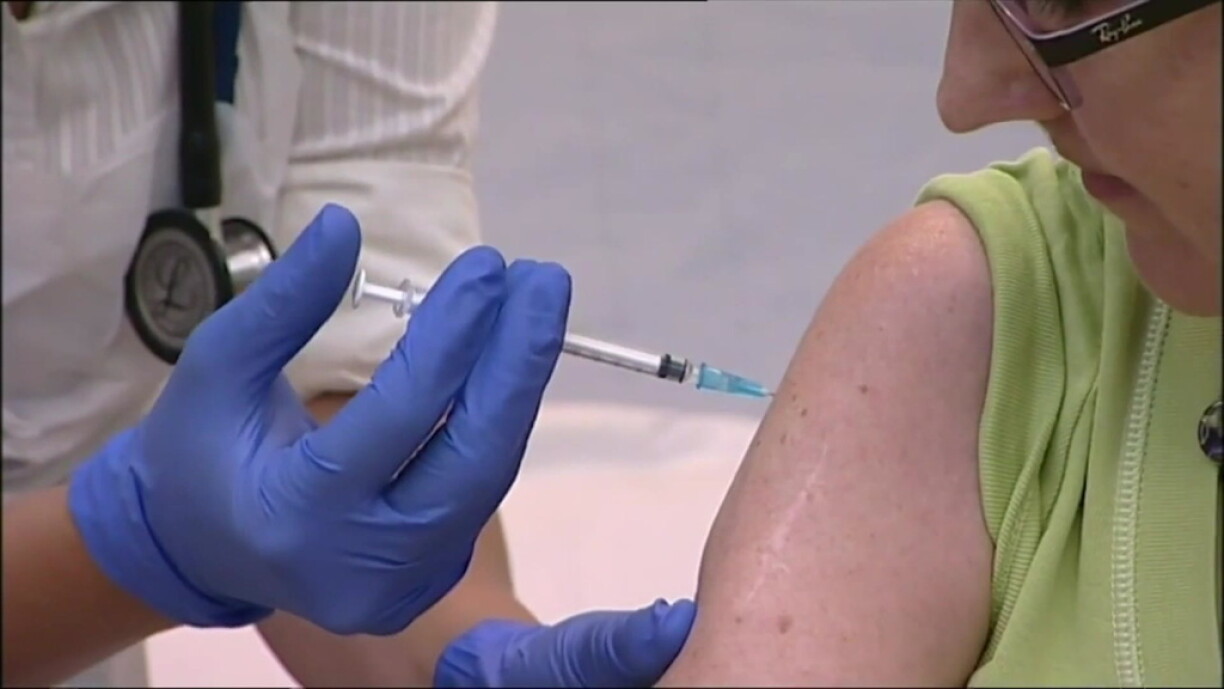
In a lesson learned from the H1N1 pandemic, the majority of EU member states set themselves the task of developing a mechanism that circumvents these types of difficulties. In the most recent development, 15 EU member states, including Luxembourg, signed a contract with the pharmaceutical group Seqirus.
Essentially, di Bartolomeo wanted to know exactly what the contract involves. His party colleague Schneider, the Minister of Health, specified that the contract incorporates information concerning the number of vaccine doses available to the Grand Duchy, the price of the reservation fees per dose, per year, and at what price a pharmacy can sell a dose.
Schneider added that the pharmacy would distribute the vaccines immediately in the scenario that the World Health Organisation declare a pandemic.
Upon further inquiry, Schneider confirmed that the Grand Duchy informed the European Commission that Luxembourg had an interest in acquiring a vaccine for the seasonal flu by the same means. This would be the case if more EU member states were in favour of this and would avoid future stocking issues.
The topic of medication depletions came up in the second parliamentary question, submitted by Green MP Josée Lorsché. Lorsché referred to a Belgian precedent: in order to prevent certain drugs being unavailable, three Belgian deputies proposed a law that limits medicine exports abroad. Since the Grand Duchy obtains the majority of its pharmaceuticals from Belgium, Lorsché wanted to know whether this law would impact Luxembourg stock levels.
Schneider responded that the import and export of medicinal products fall under free circulation laws and that member states can only infringe upon these under certain conditions.
Nevertheless, Schneider expressed his desire to discuss the potential impacts of a change in the Belgian legal framework with his Belgian counterpart at the next European Health Minister meeting. If necessary, he would then propose an amendment to the legislative project No- 7383 to the state council that would reassure Belgian authorities that the limitations imposed upon them would be guaranteed in the Grand Duchy, as well as ensure the drugs would not be further exported to another country.
Health: Government signs new contract with pharmaceutical company against influenza





