The voting campaign officially kicked off on Monday, with just five weeks left until the national election. Over the weekend, hard-working political parties wasted no time and began filling the streets and villages with campaign posters, which will remain in place until 8 October.
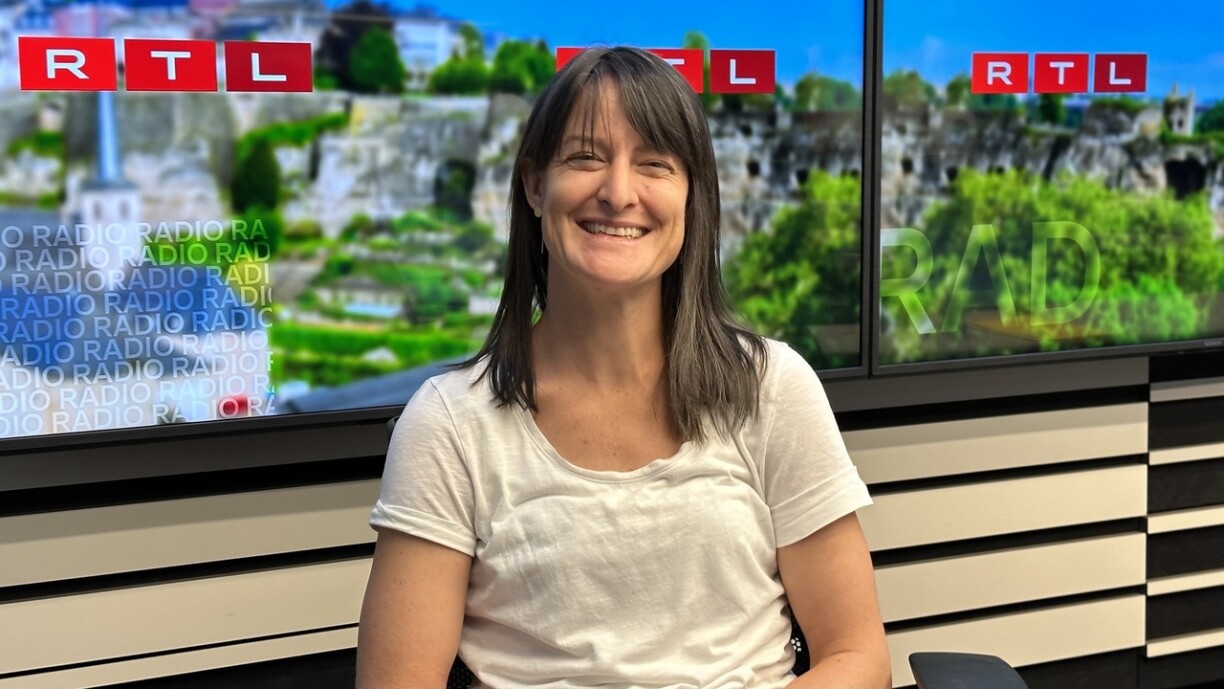
However, stringent rules govern every election campaign in Luxembourg. To shed light on these regulations, Michèle Schilt from the Centre for Citizenship Education sat down for an interview with RTL.
A total of 649 candidates, spread across 12 parties, are vying for the attention and votes of the electorate. The electoral law clearly stipulates that parties are prohibited from distributing large gifts, such as money or vacations, and they are not allowed to make house visits to potential voters. Similarly, accepting any gifts can result in penalties for any candidates involved.
Nine out of the twelve parties have signed a voting agreement, committing to specific campaign budget limits and pledging to refrain from spreading disinformation. They have also pledged to cease distributing balloons at their party stands, as these are damaging to the environment.
Despite this voting agreement, there are no direct penalties for parties that choose not to adhere to its rules. As Schilt explains: "There are no sanctions in place, but it is in the best interest of all parties to participate in a fair election campaign and avoid engaging in 'dirty campaigning'."
The exact start of the election campaign has been a topic of debate. Over the summer, political candidates actively engaged with the community and shared their interactions on social media platforms. However, as party programmes are unveiled, focus has shifted from personalities to policies and issues.
In this context, the role of the press is crucial in monitoring campaign activities and ensuring that parties and their members adhere to the established rules. The press is expected to remain neutral and provide equitable coverage of all party viewpoints. ALIA, the Independent Luxembourg Media Authority, is responsible for overseeing this coverage.
Additionally, the Centre for Citizenship Education has introduced a 'party pointer' which uses 40 questions to assist the public in navigating different political parties and their stances. This tool provides users with a clearer understanding of various party positions.
The Centre also publishes educational materials on various subjects, tailored to children and young adults. According to Schilt, it's crucial to ensure that the voters of tomorrow are well-informed and (gradually) introduced to Luxembourg's political system and landscape.
All publications can be found on www.zpb.lu.
Interview with Michèle Schilt (in Luxembourgish):





