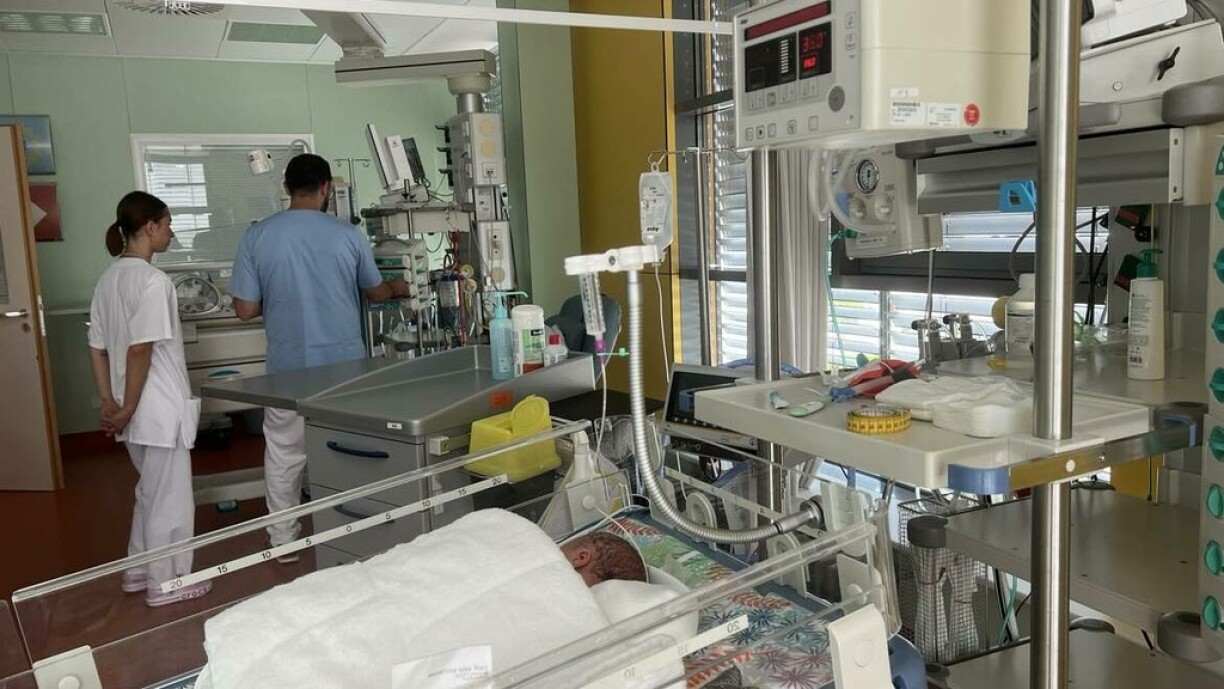
According to the World Health Organisation, 97-98% of all babies are born healthy. Vicky's son Matteo entered the world with a straightforward birth at Luxembourg's CHL maternity hospital, but two days later he turned blue and was rushed to the neonatal intensive care unit for tests. Vicky was left in shock.
For days, the single mother was terrified she might lose her newborn son. She spoke with countless doctors about the different diagnoses, going through the process entirely alone as her family were not permitted in the NICU. At some stage, doctors identified Matteo had cramps and administered medication, but the difficult journey was far from over.
These days, Matteo, now 13 months, looks like a normal child at first glance. But, Vicky says, his development is currently lagging six months behind other babies of the same age.
"At this age, most babies are crawling or learning to walk, they can sit unaided, and much more. But Matteo can't do any of that. He can roll from his tummy to his back, but sitting is difficult for him, he can't hold the position."
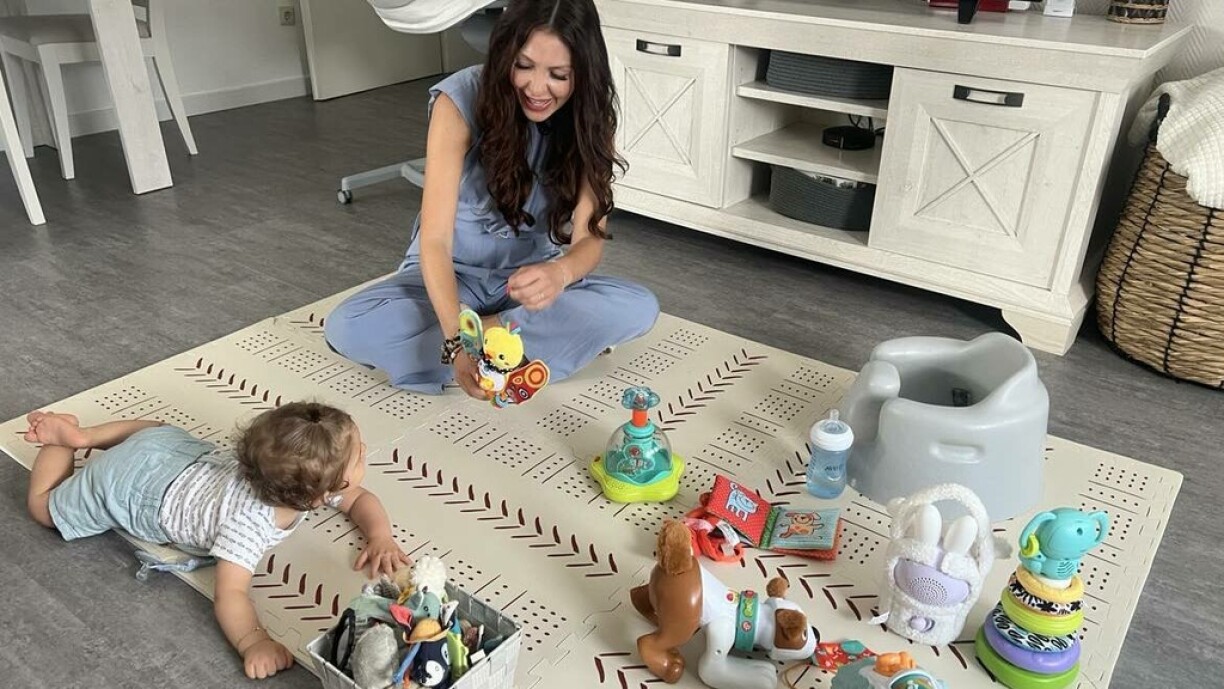
Matteo has microcephaly, which means his head is smaller than expected for his age. Vicky says she has not been told to what extent and what consequences this may have on her son as he grows up. Currently, to support Matteo's development, she takes him to a number of weekly appointments, with physiotherapists, occupational therapists, doctors and other authorities. This is on top of Vicky's 30-hour working week. "Without my parents, who often jump in to help, none of this would be possible," she says.
Matteo attends a normal crèche while Vicky is at work, but even this care setting is a source of worry, as he just cannot keep up with other babies of the same age. "While the others play or crawl around, Matteo just lays in the corner," Vicky says. "Sometimes the staff even forget about him, or they just let him sleep for hours."
She has added Matteo to the waitlist for a specialist nursery, but it is unlikely that this will help, as the nursery waitlist is not expected to have space before 2025.
Matteo is not the only child facing these issues. Dr Fernand Pauly founded a national functional assessment and re-education team at the CHL's maternity ward, made up of a multidisciplinary team to assist patients with their development. The team treats newborns, as well as children who develop disabilities or health issues later in life.
Dr Pauly says it is important that patients and their families do not compare themselves to others. "Each case is serious for someone on a personal basis. But we aren't there to assess how serious their condition is, but instead to see how much support a patient needs."
It is important not to glorify pregnancy and childbirth, he adds. There are all kinds of tests that can be conducted during pregnancy, but even if someone has a straightforward pregnancy, and doesn't smoke or drink, a baby can still be born with health issues.
Dr Pauly believes that parents in these situations are well-served in Luxembourg compared to abroad, due to the number of services available to support patients and families.





