Though it is often talked about in relation to aspiring doctors, in general, many Luxembourgish students tend to not return to the Grand Duchy once they have finished their degrees.
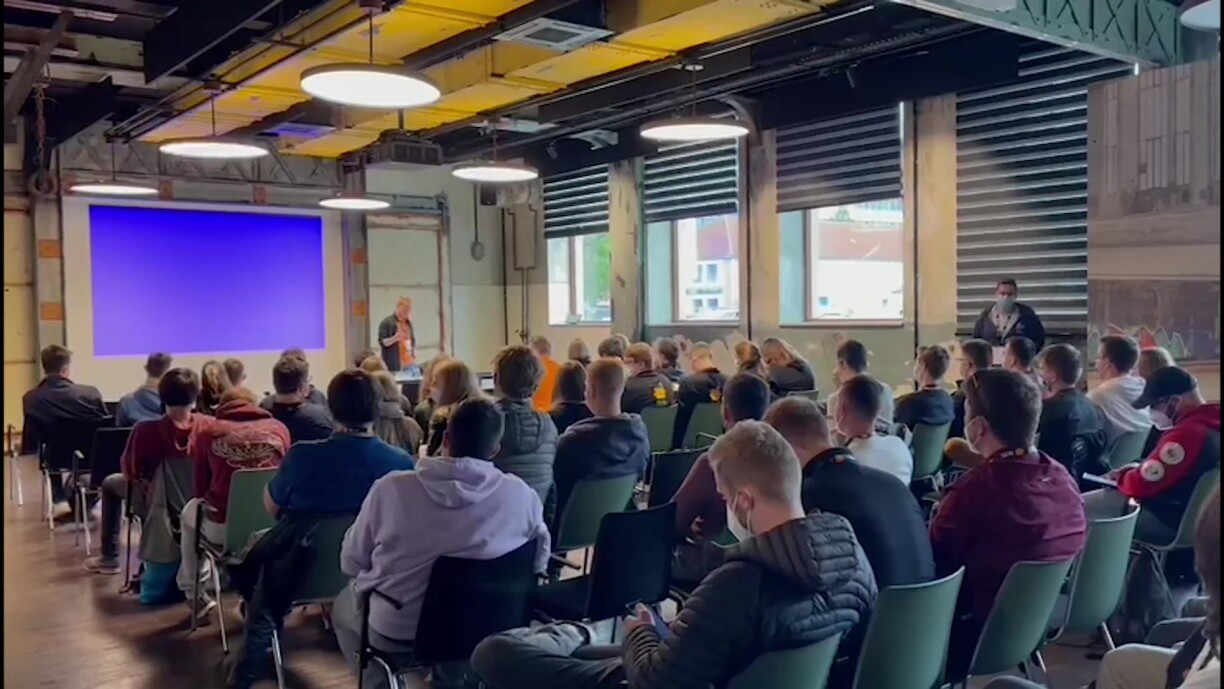
At the European Reunion of Luxembourgish Students in Munich, a roundtable discussion on the issue was held, during which a live poll evaluated how many of the present students consider the Grand Duchy not an option for their future. Out of 120 people, about a third stated not wanting to return.
Benjamin Kinn, president of the association for Luxembourgish student collectives, talked about the various reasons why young graduates stay away, at the forefront of which appear to be the extreme rent expenses in the Grand Duchy.
Max Molitor, a Luxembourgish student currently living in Munich, commented: "If you don't work for the government, it is rather difficult to find something on the housing market. Especially when one wants to avoid moving beyond the actual border."
Students therefore demanded concrete measures from the Luxembourg government to counteract the tendency. Minister for Higher Education and Research Claude Meisch did not convey any details, but announced that Prime Minister Xavier Bettel will address the issue during the annual state of the nation speech and present new measures.
Djuna Bernard, party president of The Greens, used the occasion to promote alternative living concepts: "When I asked who many live in shared apartments, half of the people raised their hands. Many Luxembourgish students would welcome it if they could still do the same when moving back to Luxembourg. It is now the government's responsibility to ensure that this becomes a viable option."
President Michel Reckinger from the Craft Workers Union noted that there is a high demand for university graduates in Luxembourg: "We need between 10,000 and 15,000 people to cover new positions every year."
The biggest competition for the private sector remains the Luxembourg government with its elevated starting salaries. It follows that the number of students looking for a job in the Grand Duchy is relatively low, as Tom Oswald from the National Employment Agency (ADEM) explained: "There are 900 people between the age of 16 and 30 looking for a job at the moment, out of which 18% are students."
Despite looking for ways to make the Grand Duchy more attractive for Luxembourgish students, the four-day-long meeting also ended with a consensus that time spent studying, working, and living abroad is extremely beneficial for young adults, and that it allows for cultural exchanges to take place.





