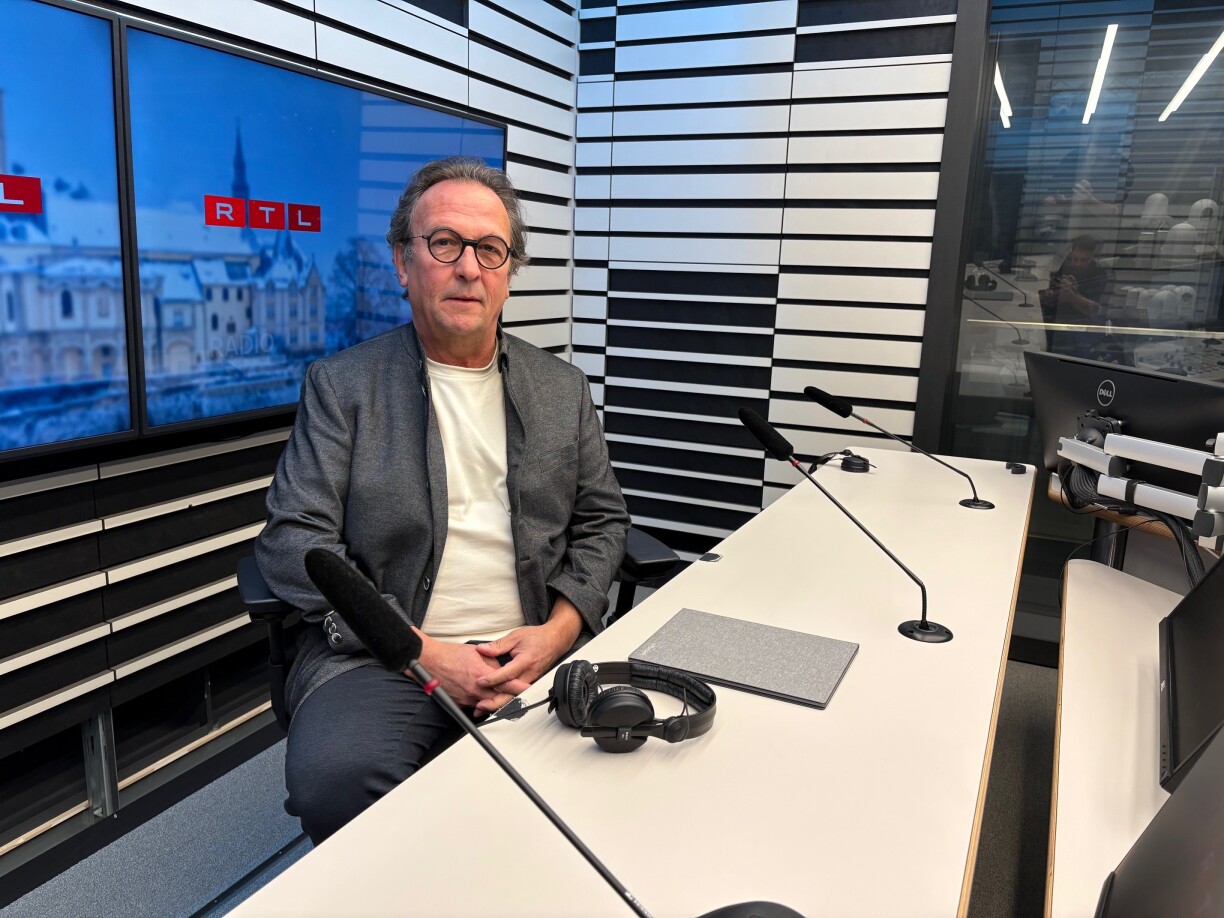
Raoul Schaaf, president of the National Social Defence Committee (CNDS), has welcomed the government's newly unveiled National Action Plan for the Prevention and Combating of Poverty, describing its merit as lying "in its very existence". Speaking to RTL on Monday, Schaaf praised the initiative's scope and structure, including more than 100 measures aimed at improving support for vulnerable populations.
The CNDS, a non-profit organisation with nearly 60 years of experience in social work and housing support, has long advocated for such comprehensive reform.
Ministers Max Hahn, Martine Deprez, and Claude Meisch presented the action plan last week. It includes a "relatively tight schedule" and evaluation mechanisms to ensure the effectiveness of each measure, a framework Schaaf explicitly welcomed. He also highlighted the harmonisation of existing financial aid schemes and the introduction of new support measures as important steps forward.
These changes, he said, reflect long-standing demands from social field workers.
A core challenge, Schaaf said, is that many eligible residents do not apply for support as found by a recent study on benefit non-take-up. The findings were clear, he added: many people are unaware of the support available, or unsure how to navigate the process to access it. That is why measures that simplify and better connect benefits are crucial, he said.
Asked about criticism from Greens MP Djuna Bernard that the plan does not include a minimum wage increase, Schaaf said it is a discussion worth having – particularly given the growing number of people classified as the "working poor". However, he identified housing affordability as the key pressure point, noting that low wages turn into poverty most quickly when rent consumes the majority of a household's budget.
Referring to a local study from his region, Schaaf, who also serves as an alderman in the municipality of Useldange, explained that many people seeking assistance spend between 60 and 75% of their income on housing costs.
"You really can't afford to get sick", he noted. "Otherwise things can get very tight."
Despite encouragement from successive housing ministers and the availability of tax incentives, Schaaf said the message has yet to fully reach property owners – and warned that public campaigns urging them to place empty properties into social rental management will only succeed if they address misinformation and persistent fears about renting to vulnerable tenants.
Schaaf sees social rental management as a viable alternative to raising wages, describing it as the safest way to rent out a property. However, he argues that increasing the permitted price per square metre for landlords participating in such schemes, which has stayed relatively unchanged since the scheme began, would encourage broader uptake.
"When you rent through social rental management, you're not renting to a private tenant but to a non-profit", he explained. "I guarantee that you will receive rent for 12 months", Schaaf said. "If there's a problem with the tenant, I will take care of it. If anything in the property is damaged, I will fix it and return your property in the same condition in which you gave it to me."
Schaaf also welcomed revisions to the REVIS social inclusion income scheme, which aims to support households on low incomes and to provide a basic livelihood for anyone who meets the eligibility criteria. One of the most meaningful changes introduced by the new measures, according to Schaaf, is that people who lose their eligibility for REVIS will no longer automatically lose their coverage under the National Health Insurance Fund.
Finally, he strongly backed the involvement of local governments more directly in poverty prevention. "Every local authority has a responsibility to ensure the wellbeing of its residents", he said. Schaaf pointed to the enhanced role of municipal advisory committees for social cohesion as another positive element of the plan, suggesting that increased engagement at the local level will be key to its success.





