In the race against the virus, which Xavier Bettel had compared to a marathon last week, speed remains a key asset. If the government's strategy is meant to be effective in the long term, its tools must allow it to react quickly.
With this in mind, the Ministry of Health has detailed its plan for using antigenic tests, also known as rapid tests. These will complement the screening toolbox already in use.
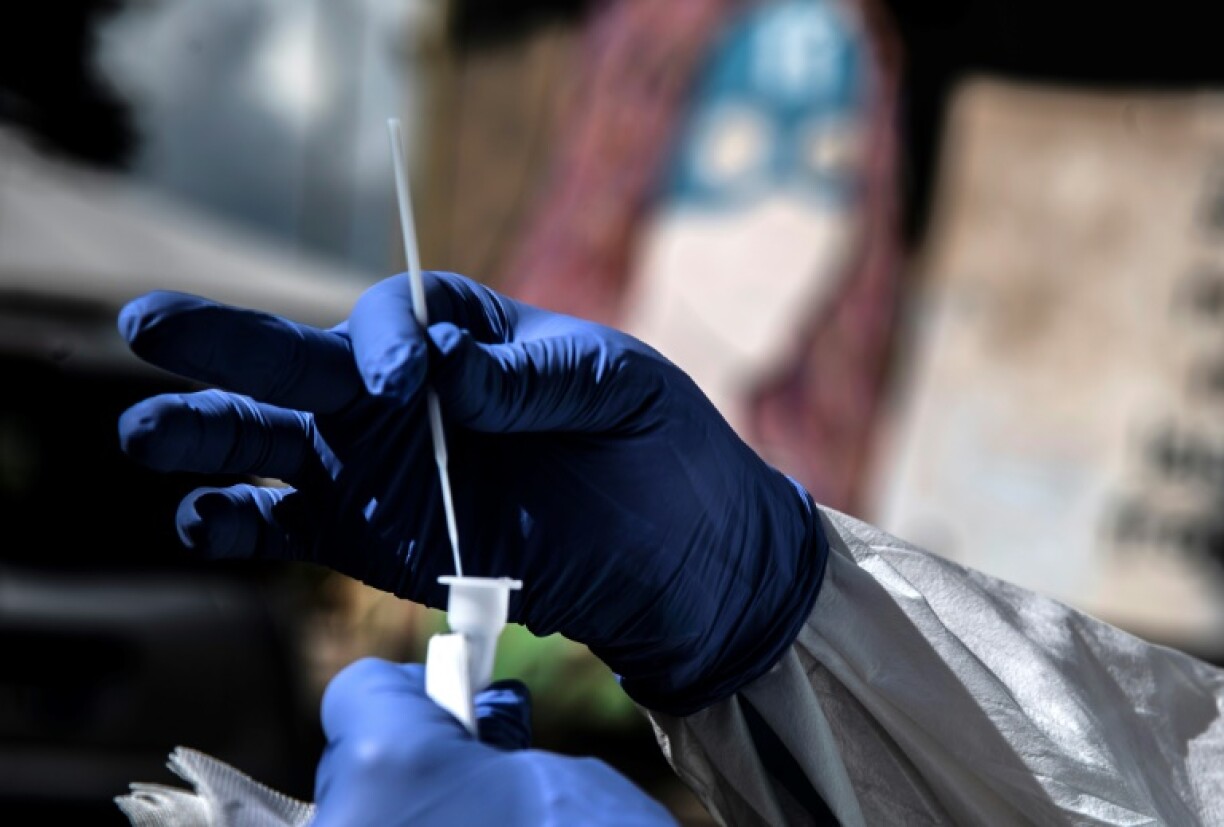
Promising to detect an infection "in 15 to 30 minutes", these tests are easier to carry out and do not require laboratory analysis. They are performed through the nose.
The Ministry has already placed an order for 75,000 rapid antigenic tests, with delivery scheduled for Friday 20 November. They will be distributed in particular to the emergency services of the four acute care hospitals (CHL, CHEM, Centre Hospitalier du Nord, and Robert Schuman Hospitals) as well as to consultation centres, nursing homes and integrated centres for the elderly as well as the health inspectorate.
According to the Ministry of Health, rapid tests can be "useful" in the following cases:
A rapid test may also be carried out among applicants for international protection, during regular screening in certain settings (student campuses, hostels and shared flats, prison communities) as well as among people in regular contact with at-risk communities.
On the other hand, the authorities do not recommend the the use of the test among the elderly, children, or before a gathering.
The tests, which are "considered more difficult to handle and less reliable than PCR tests", may be carried out by trained health care staff. This includes doctors, nurses, laboratory technicians, midwives, social workers, occupational therapists, psychomotor therapists, and speech therapists. Volunteer and professional firefighters from the Grand Ducal Fire and Rescue Corps (CGDIS), psychologists, psychotherapists, and pharmacists may also be called upon.
As the tests are less sensitive and may give false negatives, a negative result will have to be confirmed by a PCR test. A positive test must be followed by a declaration to the Health Inspectorate.





