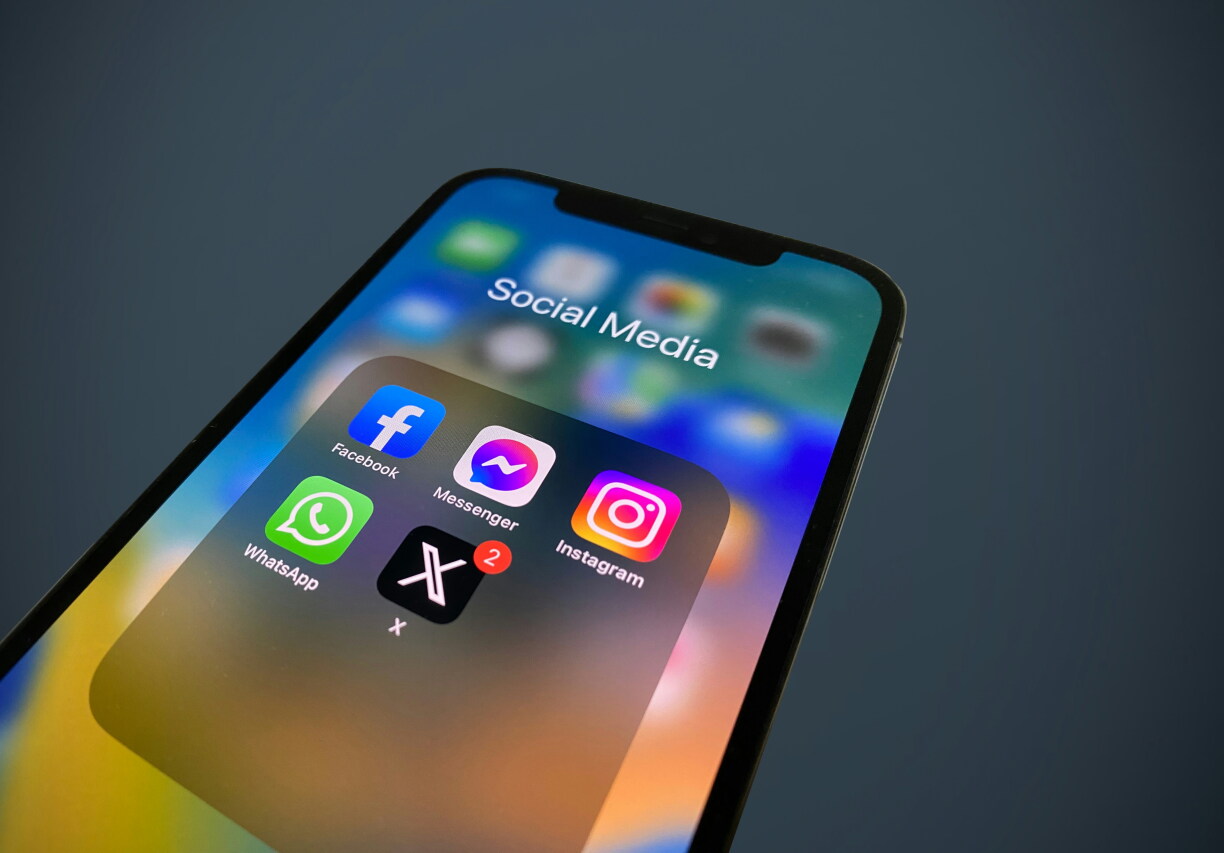
The Ministry of Education and BEE SECURE have launched a new awareness campaign urging young people in Luxembourg to become more critical of their own media consumption. The initiative aims to encourage teens and young adults to reflect on their daily screen time, particularly the time spent scrolling through social apps
For many people – especially the young – reaching for a smartphone has become second nature, whether on the bus, in the schoolyard, or before going to sleep. What starts as a few minutes can quickly turn into half an hour or more. This week, the Geesseknäppchen Forum is giving students an alternative: in a dedicated 'offline corner', they can take part in various activities without their phones.
Kabir Singh, a student who now views his media habits more critically, is among those rethinking their relationship with technology. As a Digital Ambassador for BEE SECURE, he contributed to the new campaign. “Instead of doing my work, I would just scroll all day”, Kabir admitted, adding that this often frustrated his parents. “Eventually I told myself: I need to stop. So I finally set a time limit – thirty or forty-five minutes each evening.”
According to Luxembourg’s 2025 National Youth Report, about 80% of young people aged 12 to 29 spend a minimum of two hours daily on social media. Meanwhile, 59% of respondents aged 17 to 30 in the 2026 BEE SECURE Radar survey believe that social media has a negative impact on their mental well-being.
Why is it so difficult to stop scrolling? Jeff Kaufmann from BEE SECURE says it comes down to a mix of personal habits and the way digital platforms are designed. “You don’t want to miss anything”, he notes, explaining that these platforms are engineered to keep users engaged for as long as possible.
It’s not just lost time that’s at stake. Constant comparison with others, fear of missing out, and the endless stream of news about global crises can all negatively affect mental health.

The new campaign, 'Take a break from scrolling', is targeting young people aged 12 to 30 with three humorous videos, posters, and a booklet filled with games and puzzles. The videos, which are being shared on platforms such as Instagram and TikTok, draw inspiration from the advertising aesthetics of the 1950s.
“We wanted to make a parallel with 1950s adverts, which presented products like tobacco as something entirely positive”, explains Jeff Kaufmann. “Of course, we now know the opposite is true.”
The goal is not to demonise social media, but rather to help young people understand the mechanisms behind these platforms and make them more mindful of their own usage.
Minister of Education Claude Meisch also acknowledges that, for some young people, the balance between real and virtual life has been lost. “A lot is missing – direct contact with friends, with other people, and social interaction”, he says. Even boredom, which can lead to creativity, is finding less and less space in daily life.
The campaign is part of the broader screen-life-balance initiative, which includes measures to restrict smartphone use in schools.
“We know that bans or campaigns alone aren’t enough”, Meisch says. Young people also need attractive alternatives in sport, culture, and creativity. Through programmes such as MoVe and CreativeLab, the Ministry and the National Youth Service (SNJ) are working to provide these options.
BEE SECURE recommends starting with small changes to better manage screen habits. Jeff Kaufmann suggests, “For example, put your phone in another room for an hour while you go about your usual activities.”
Turning off notifications, setting app-specific time limits, or carving out half an hour without a phone before bedtime are all ways to break the automatic urge to reach for a device. The aim is not to give up the digital world altogether, but to become more conscious of how we choose to spend our time.


