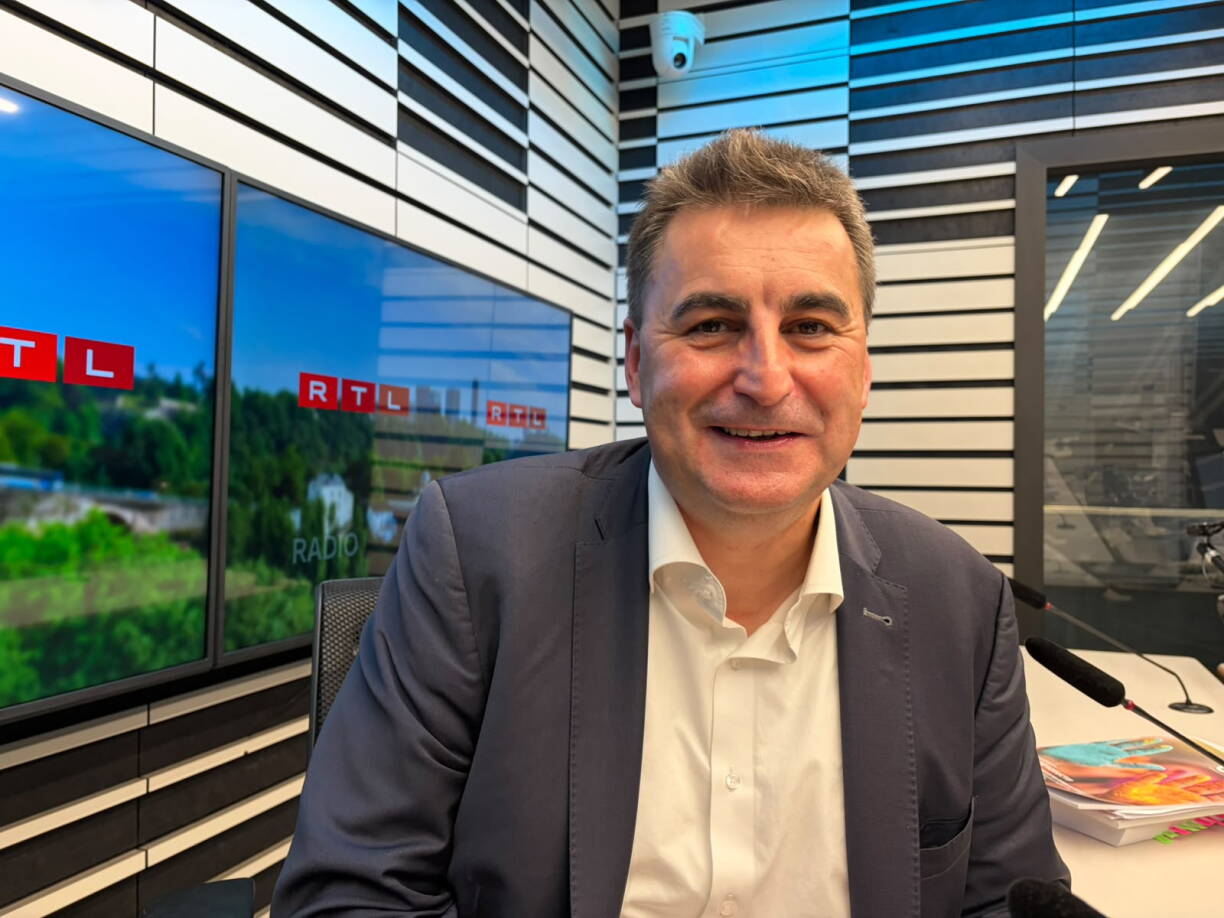
Luxembourg’s Ombudsman for Children and Youth, Charel Schmit, outlined key challenges facing young people in the country during an interview on RTL Radio on Tuesday morning, following the publication of his office’s 2026 annual report.
Drawing on the testimonies of approximately 1,450 children and adolescents, the latest report underscores the foundational role of personal relationships in a child’s life. Schmit noted that adults often overlook this priority.
He emphasised the need for families to dedicate quality time to building relationships, citing this as a primary reason to limit screen time. As children grow older, friendships become increasingly vital, and pets also remain a significant source of well-being.
The survey revealed increasing negativity surrounding the school environment. On average, 36% of children reported feeling worried about school, a figure that rises to 55% among older children and adolescents. Beyond academics, young people also expressed significant anxiety regarding global conflicts and the state of the world.
To mitigate this, Schmit recommended a stronger focus on media literacy to help youth critically evaluate often distressing international news. He stressed that it is the responsibility of adults to shield children from future-oriented fears and to foster a more positive, resilient outlook.
Housing insecurity has also emerged as a major concern for young people, with Schmit describing the situation as a "pandemic". Many children reported fearing the loss of their homes.
In response, the Ombudsman urged local municipalities to fullfill their responsibilities by actively expanding social housing. He called for decisive action to resolve Luxembourg's housing challenges, advocating for urgent measures comparable to those implemented during the Covid-19 pandemic.
Schmit also highlighted a stark contrast in parental supervision, noting that while children are often closely monitored in the physical world, oversight is frequently lacking in the digital sphere.
He warned that an entire generation has been exposed to harmful online content in an "uninhibited and unbridled" manner. However, he added that society is now beginning to grasp the long-term consequences of this exposure and is showing a willingness to act.
Reiterating his stance on screen time, Schmit maintained that children under the age of three should have no screen exposure whatsoever. He stressed that the online environment must eventually become as safe as, or safer than, the physical world, though significant work remains to achieve this.
The Ombudsman welcomed a recently tabled European political proposal aimed at addressing these digital safety issues. He urged individual member states to promptly adopt the measures and emphasised that the legislation must not be undermined by lobbying efforts.


