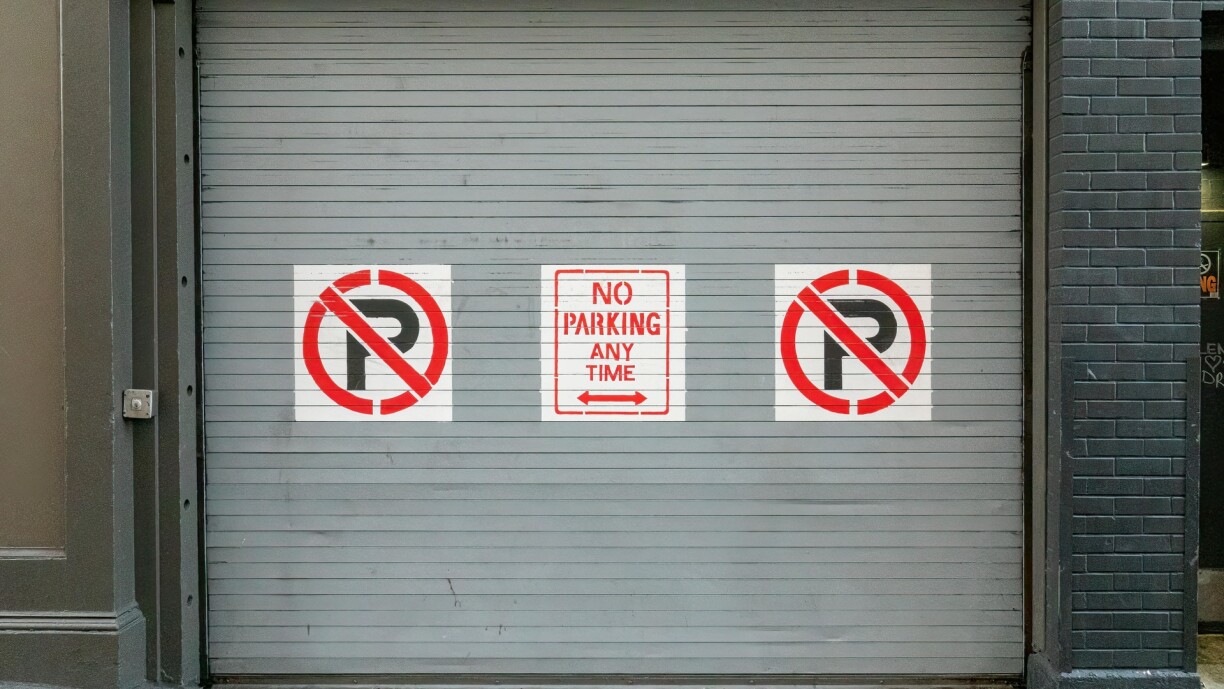
Luxembourg's Justice and Home Affairs Ministries are considering legal reforms to address the challenges faced by property owners when vehicles are improperly parked on private land – a situation currently leaving them with few options and potentially costly consequences. In response to a parliamentary question from MP Barbara Agostino of the Democratic Party (DP), Justice Minister Elisabeth Margue and Home Affairs Minister Léon Gloden confirmed that while the police can intervene when cars block access to private property from public roads, they are not permitted to act once a vehicle is parked on private ground.
In these cases, the Grand Ducal Police cannot order the removal of the vehicle, the ministers stated. As a result, the onus falls on the landowner, who must either pay for private towing or initiate legal proceedings to recover costs.
Under current law, the owner of a wrongly parked vehicle is liable for removal costs only when parked in violation on public ground. If the violation occurs on private property, the land owner must cover the towing expenses upfront and pursue reimbursement through court, which can be lengthy and uncertain.
The ministers acknowledged the unfairness of this situation, noting the legal inconsistency. "The difficulties encountered by individuals – particularly when their right to use their own property is impeded – without being able to benefit from public intervention are real", the response reads.
They added that a legal review is underway to potentially create simplified procedures or provide more effective tools for property owners. For now, the government recommends preventive measures such as clearly marking private spaces or installing physical barriers like "retractable bollards or chains" to deter unwanted parking.
No official statistics exist on how many private removals have occurred in recent years, as only judicial police officers are authorised to order such actions under Luxembourg law.
Agostino, in her inquiry, had raised concerns about the imbalance, questioning the fairness of individuals having to bear the cost of enforcement.





