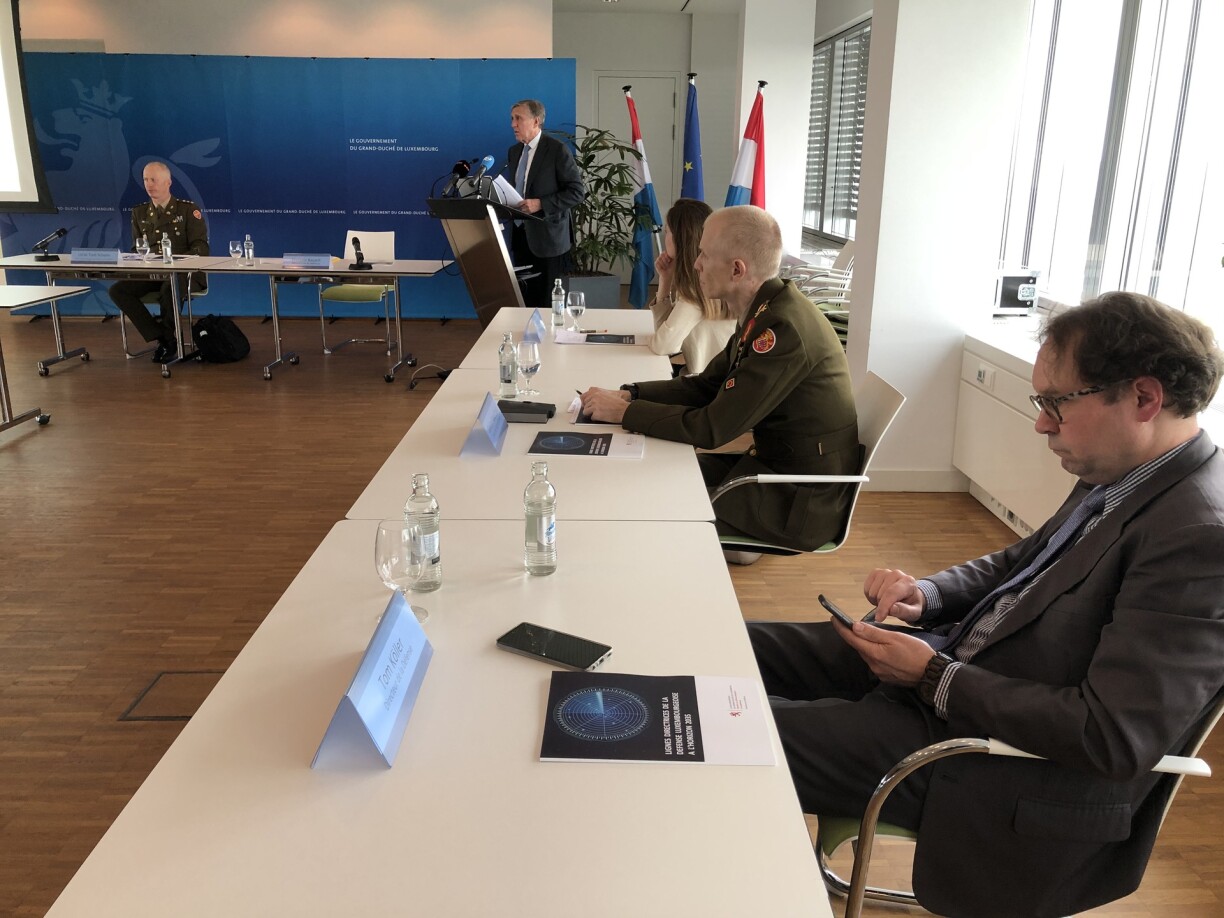
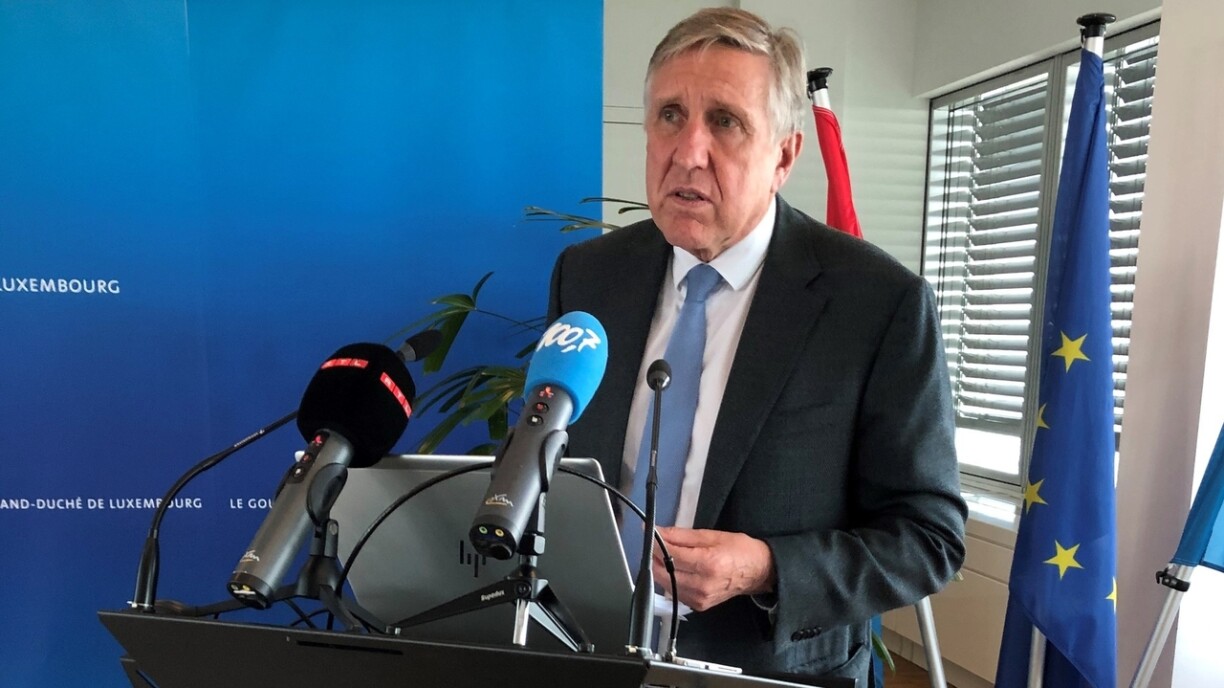
During the press conference, Bausch explained the proposed strategy would cover specific ongoing or concrete projects. A notable change in the new guidelines would involve the advanced development of strategies for individual areas, upon which capacities would be built. There was a misstep in the previous legislative period, as the LuxGov satellite was launched before a space strategy had been formulated.
In recent years, risks and threats have become ever more complex and undergone transformations. For example, propaganda now plays a novel role in warfare, exemplified by Russia's attempts to destabilise Moldova through hybrid attacks on its institutions and government. Another emerging concern is artificial intelligence, which necessitates careful consideration of rules and boundaries within the military sphere.
While the Luxembourg army seeks to maintain its autonomy, the defence minister said he supports the concept of "pooling and sharing." This applies to sharing costs and resources in specific areas, making Luxembourg more efficient and ultimately reducing expenses.
A further objective for the Luxembourg Army is the feminisation of the defence sector, aiming for more balanced gender representation. According to analysis conducted by the UN, it has been observed that women possess a distinct perspective on defence, both in general and in operational aspects.
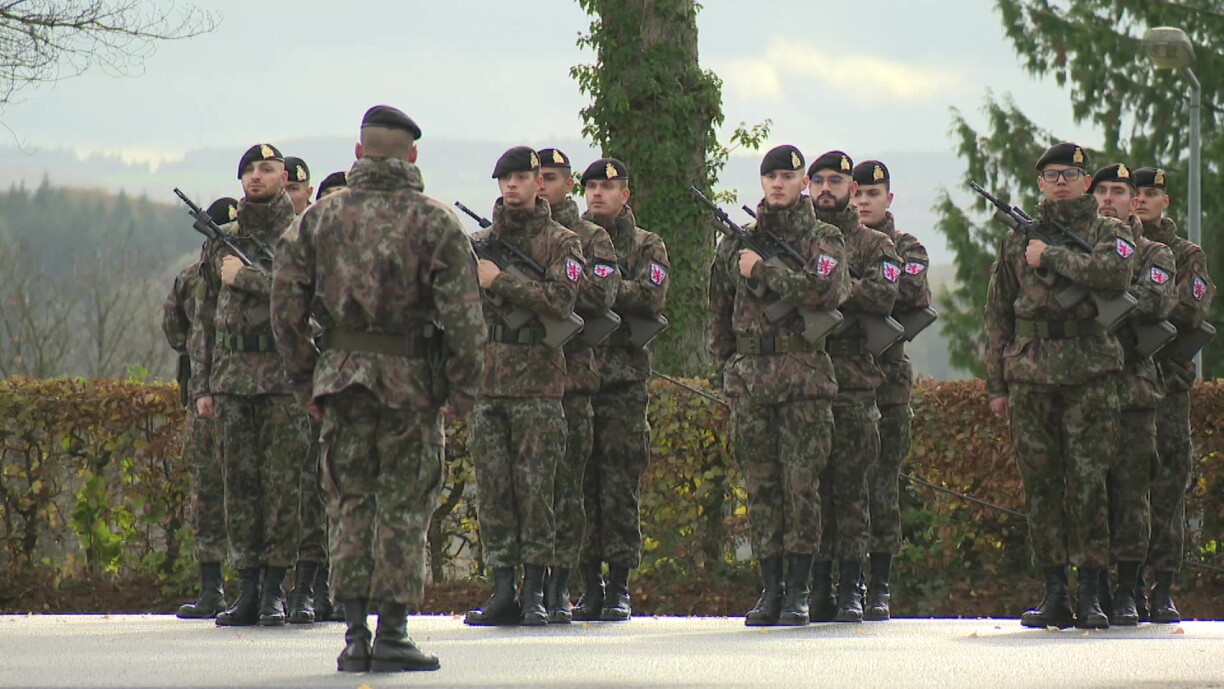
The global security situation has deteriorated in recent years, as shown by conflicts such as the war in Ukraine and the instability in the Sahel region. In response, NATO has formulated a new strategy, which in turn imposes new requirements on the Grand Duchy, including the establishment of a joint Belgian-Luxembourgish battalion.
There are also plans to increase defence expenditures in the coming years, with a target of reaching around 1% of Luxembourg's GDP by 2028. Although NATO demands 2% of GDP, Bausch acknowledged that Luxembourg lacks the capacity to achieve this, considering the country's high GDP.
Bausch identified four key elements at the core of Luxembourg's defence changes: the establishment of the new battalion, followed by developments in the domains of space and cyber.
However, the implementation of the first three will necessitate a new framework law. The approval process for this law in the Chamber is expected to take nearly two years, awaiting an opinion from the State Council. Bausch said he was hopeful that the bill can still be ratified within the current legislative period.