In recent years, students at Lycée Robert Schuman in Limpertsberg have become accustomed to using iPads in class and smartphones at home.
However, the school introduced a notable change last academic year: students in the lower classes, from 7e to 4e (roughly from ages 12 to 16), are no longer permitted to use iPads during lessons.
This initiative, spearheaded by the school’s management, was designed to reduce students’ overall screen time and encourage more traditional forms of learning.
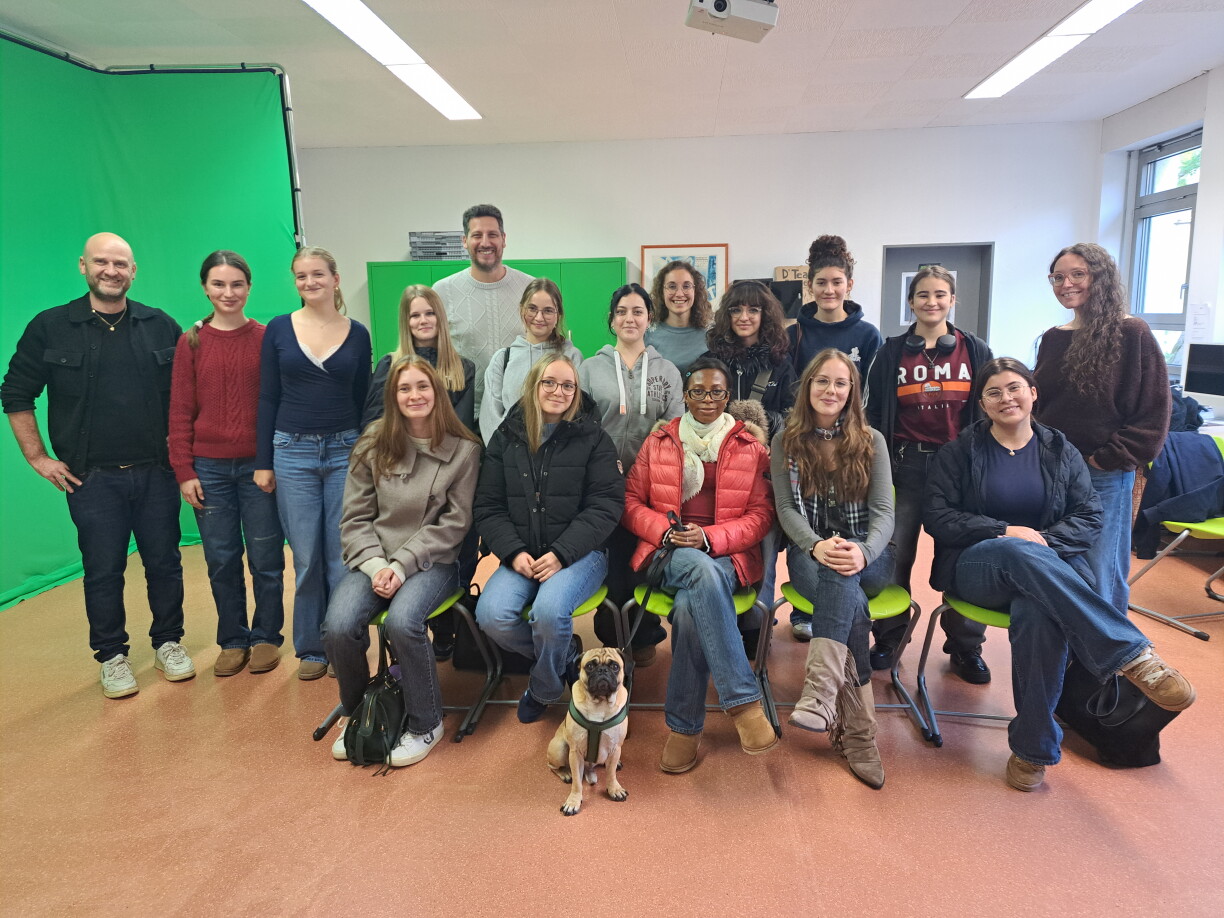
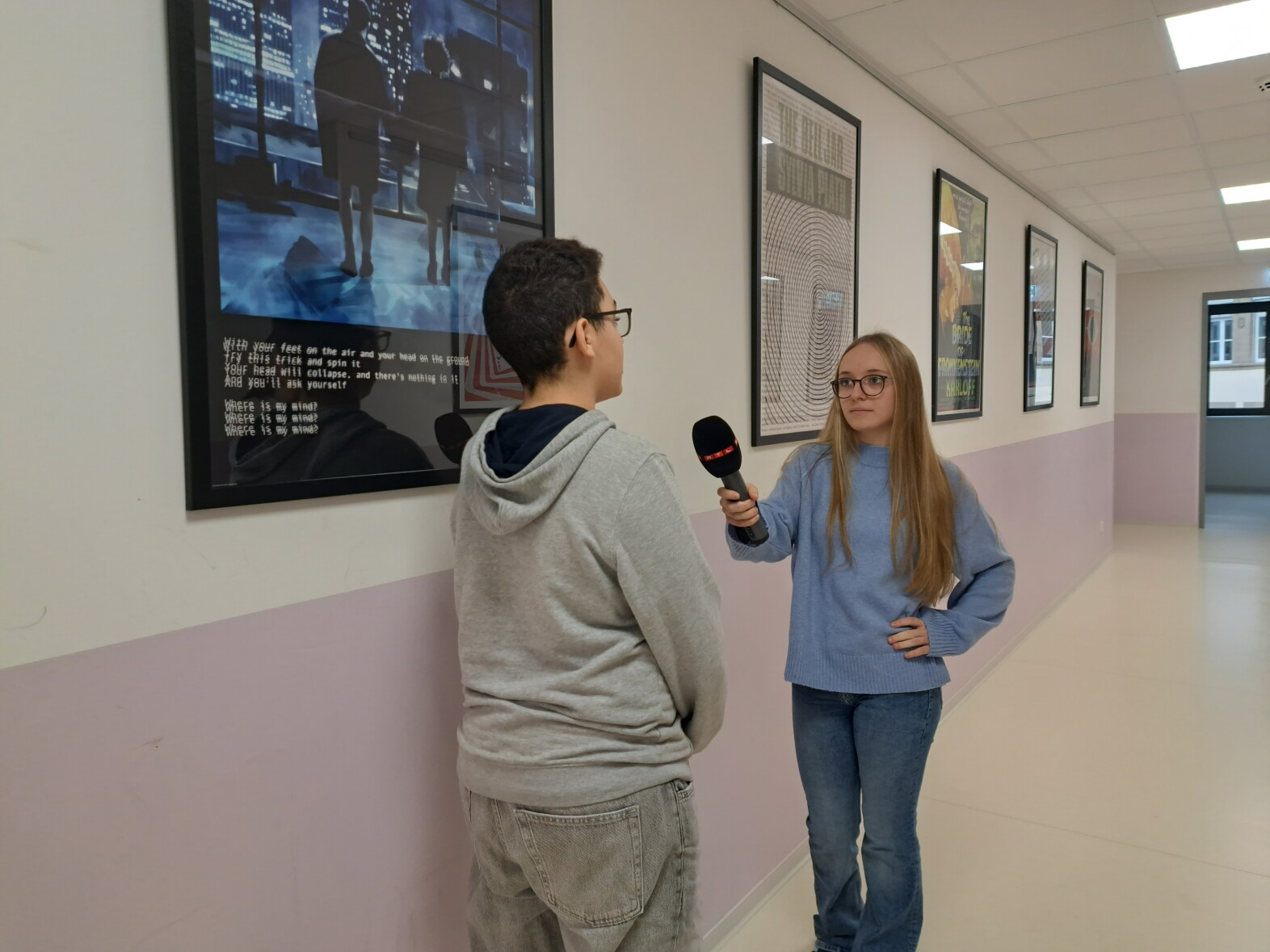
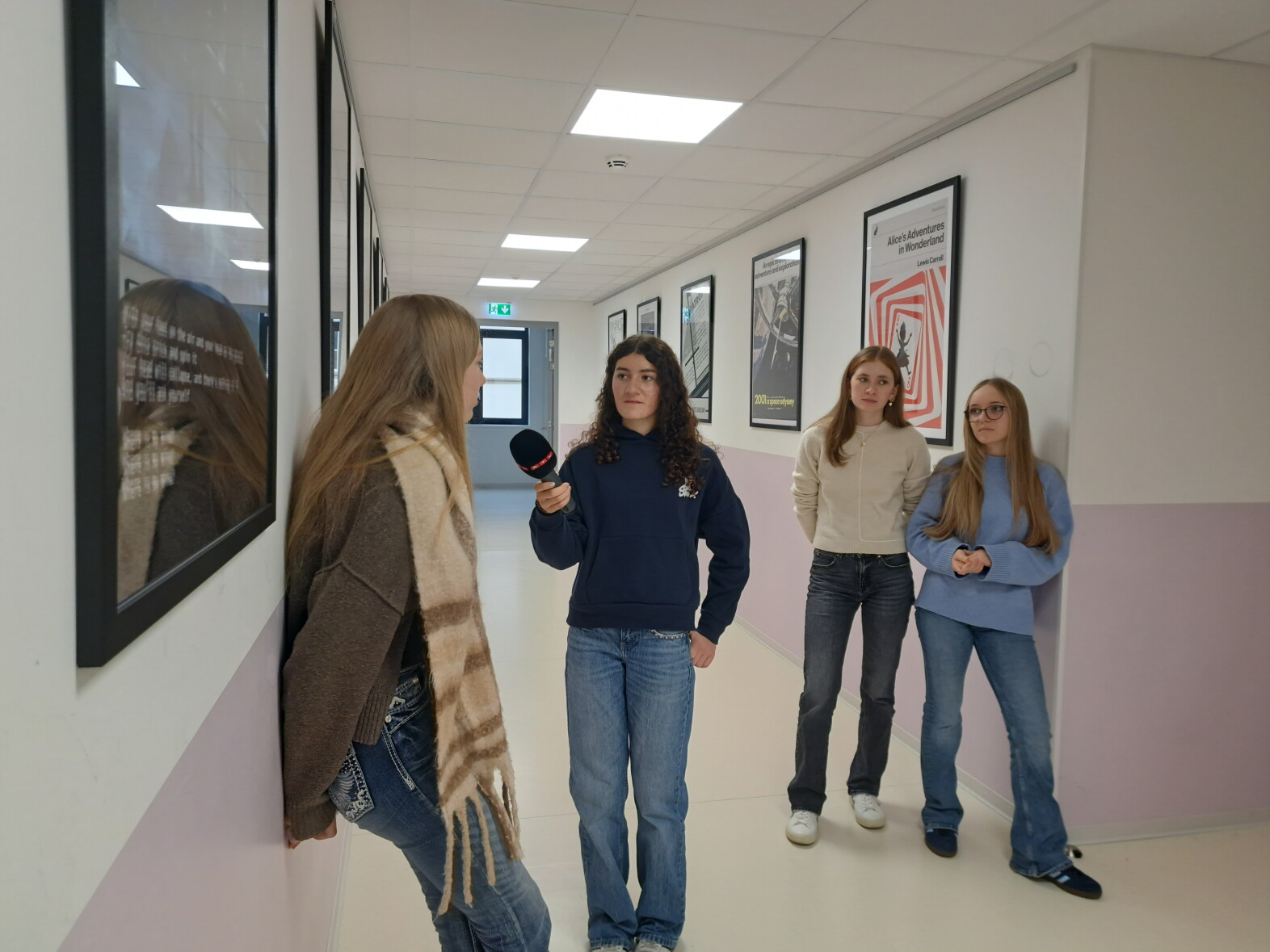
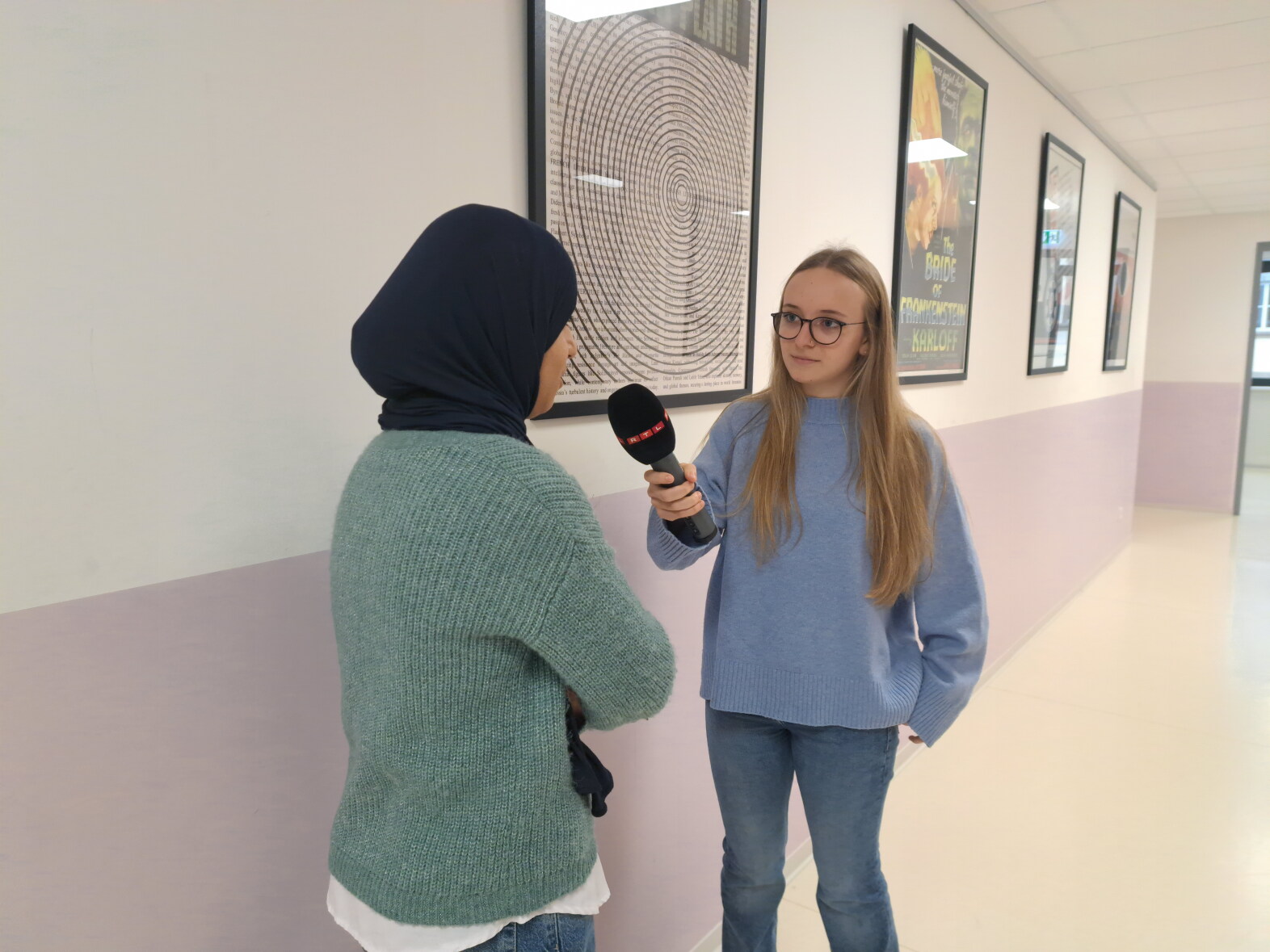
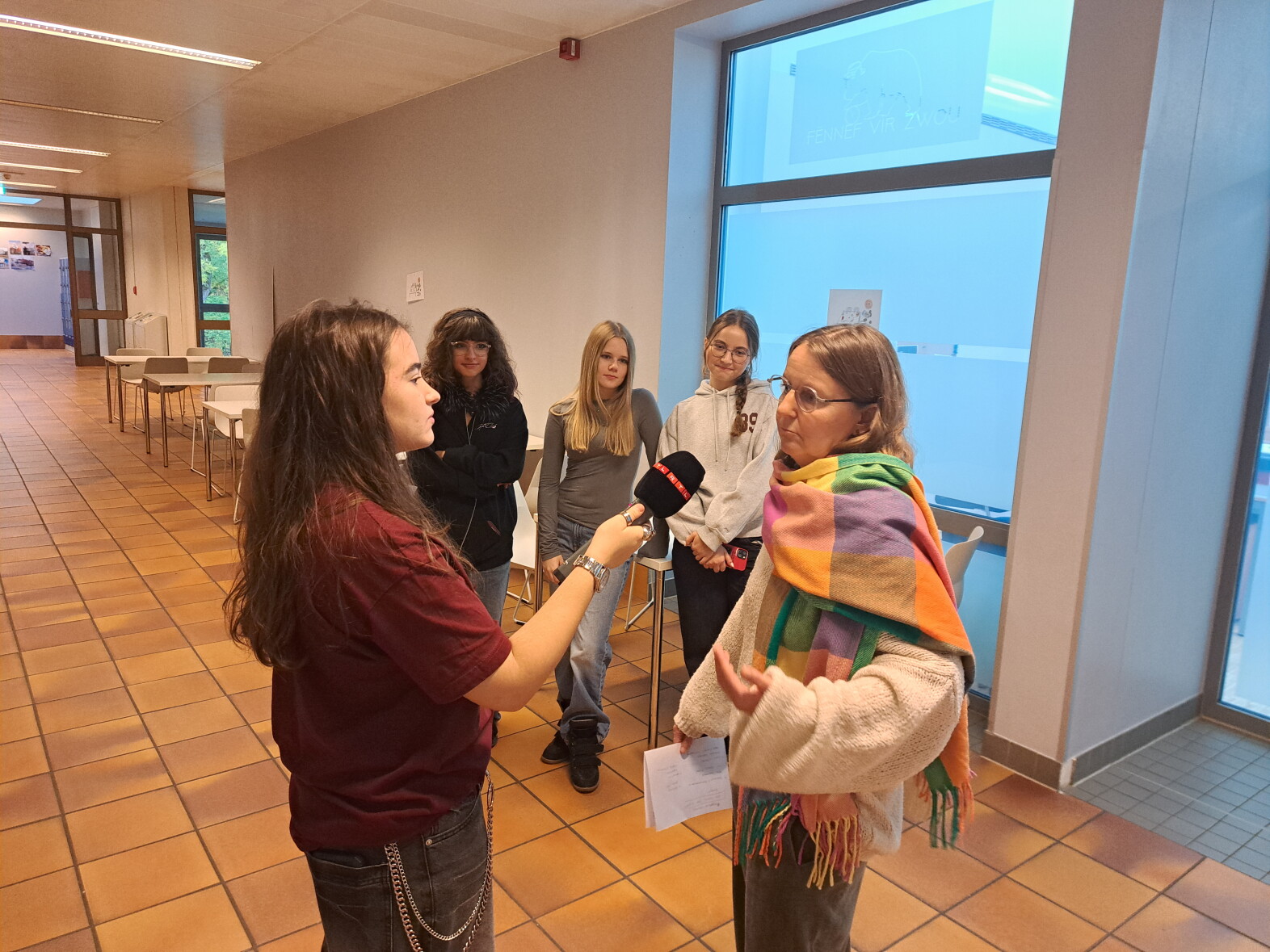
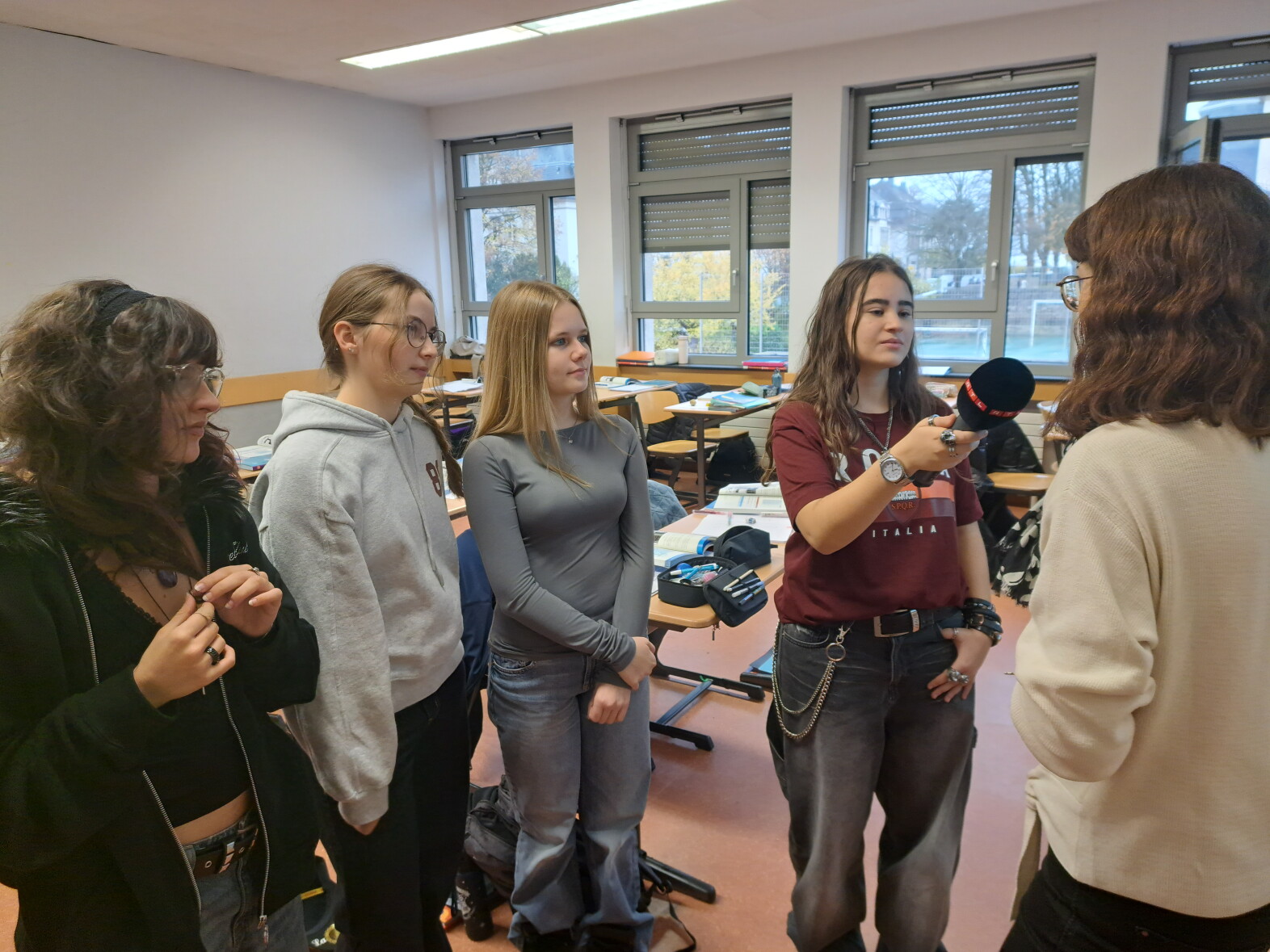
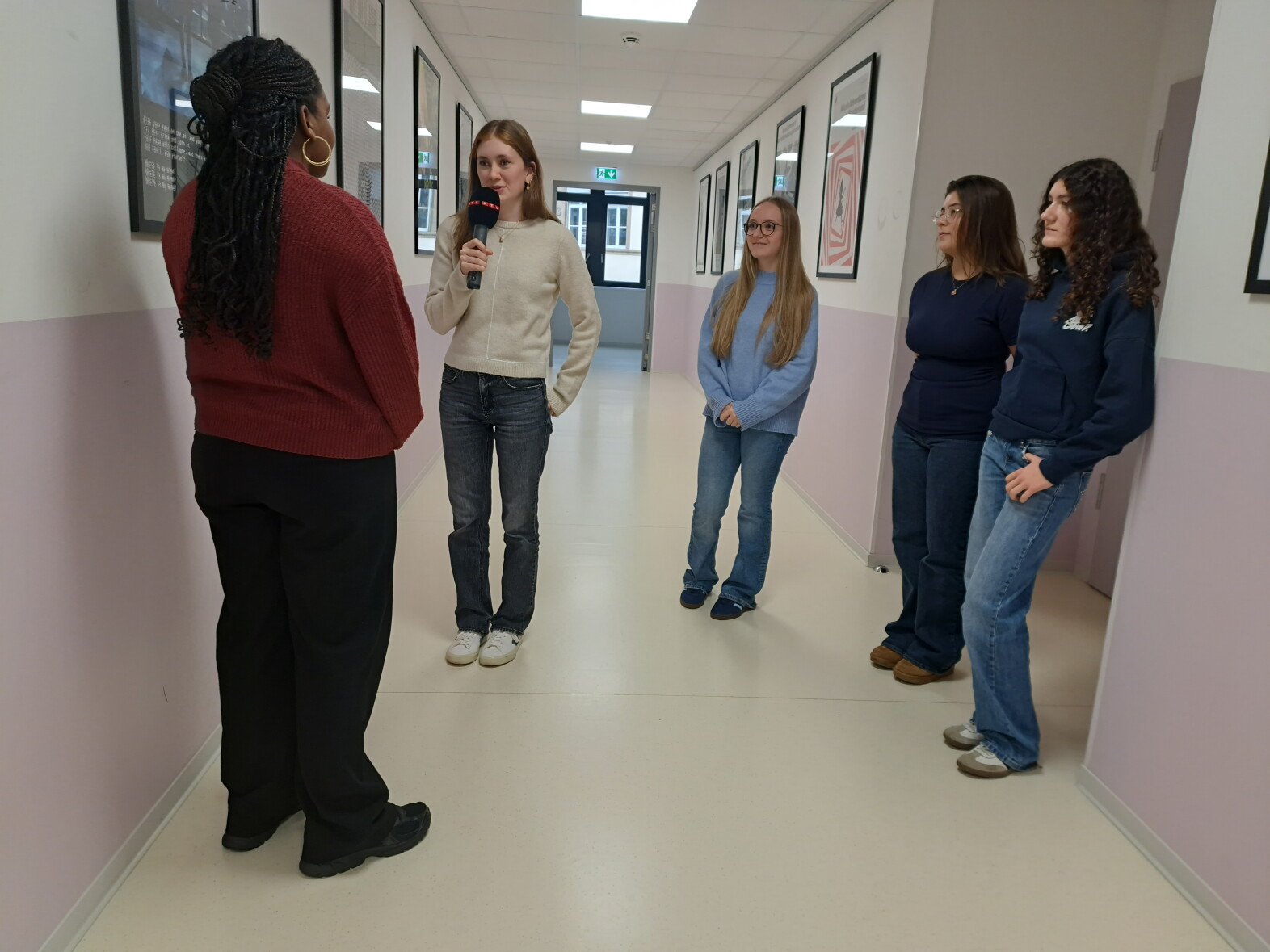
3e media students took on the subject of screen time for their Media Day project and produced a detailed report on how this new policy has played out in daily school life.
According to head teacher Michèle Remakel, the decision to restrict iPad use came after observing that the devices were not particularly beneficial for the youngest students.
Previously, every student had their own iPad, but experience showed it was not always the best fit for the lower years.


For students currently in 3e, the change meant that although they began secondary school using iPads in 7e to 5e, they had a year-long break in the fourth year, before returning to iPad use.
Students interviewed for the report say they noticed both positive and negative effects. One 3e student found it easier to concentrate in lessons without the device, while another pointed out that their schoolbag became significantly heavier without the digital option.
Some noticed a difference in how they learned, while others saw little change. Teachers, however, were more united in their view that the absence of iPads helped pupils pay greater attention in class.
Educators reported that with fewer screens, students were less likely to "hide" behind devices or get distracted by non-school activities, which is an issue that has improved markedly since the policy shift.
The new rules do not just apply to iPads. Under the current policy, students are also not allowed to use their smartphones inside the school building, except during the lunch break and only outside the premises.
Martine Olm, who works in the school’s socio-educational service, sees clear benefits, especially a noticeable increase in social interaction.
But what happens when students are at home? Many report that having their phone nearby while doing homework can be a major distraction, particularly when notifications pop up.
One 3e student explained that they tended to check their phone and become distracted immediately. However, a seventh-year student noted that listening to music actually helped them concentrate better when studying at home.
Overall, today’s youth still spend a significant amount of their time in front of screens, but the approach at Lycée Robert Schuman appears to be working well, particularly in the lower grades.
In the upper years, the use of iPads now depends more on individual teachers and students.
This report was produced by students from the 3e A class at Lycée Robert Schuman as part of Media Day, with support from RTL journalist Monica Camposeo.


