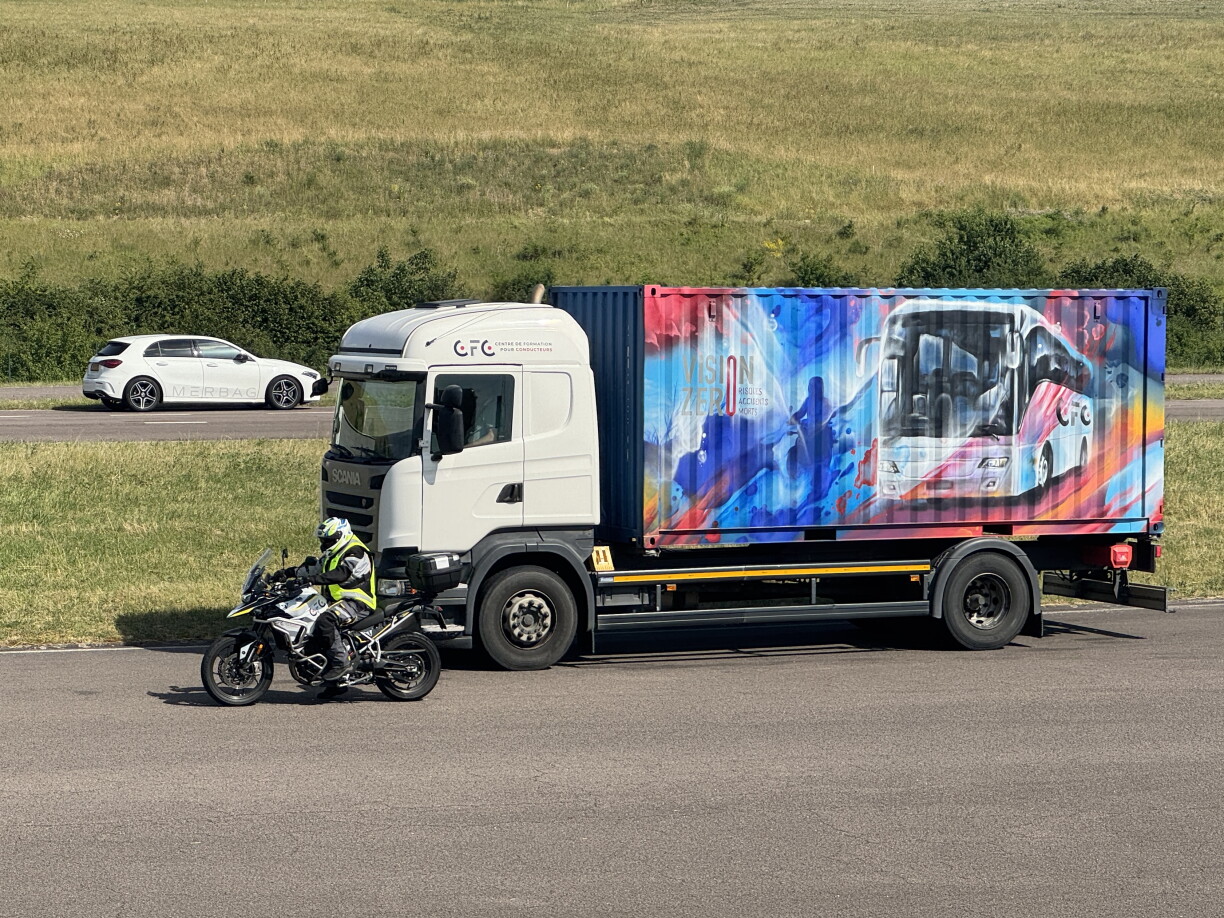
For 30 years, thousands of drivers have been learning how to respond correctly in critical situations at the Driver Training Centre (CFC) in Colmar-Berg. When the CFC opened its doors in 1996, the main focus was on learning how to control a vehicle.
Distractions caused by mobile phones and modern driver assistance systems were not yet an issue.
"The first trainees who came to us drove old second-hand cars. They had neither ABS nor ESP", recalls Marc Pannacci, who served as director of the CFC for more than 20 years.
A great deal has changed since then, he said, from legislation and speed limits to the country's roads and motorways.
Panacci said that young people's attitudes towards driving have also evolved. He recalled that, at the time, almost everyone wanted to obtain their licence at 18 because having a car represented freedom.
However, he stressed that public transport subsequently improved and eventually became free, with young people increasingly realising that they could also use late-night buses to attend parties without needing their own car.
Participants are not the only ones to have changed over the past three decades, the CFC itself has also continued to develop. The number of people attending courses has doubled, partly because the range of training available has expanded significantly.
The CFC began by providing training for newly qualified drivers. Following the introduction of Luxembourg's penalty points system, motorists were also able to attend courses to recover points on their driving licences.
Pannacci said the CFC later introduced initial and continuing training for lorry and bus drivers. This required an expansion of the Colmar-Berg site and the construction of a second centre in Sanem, he noted.
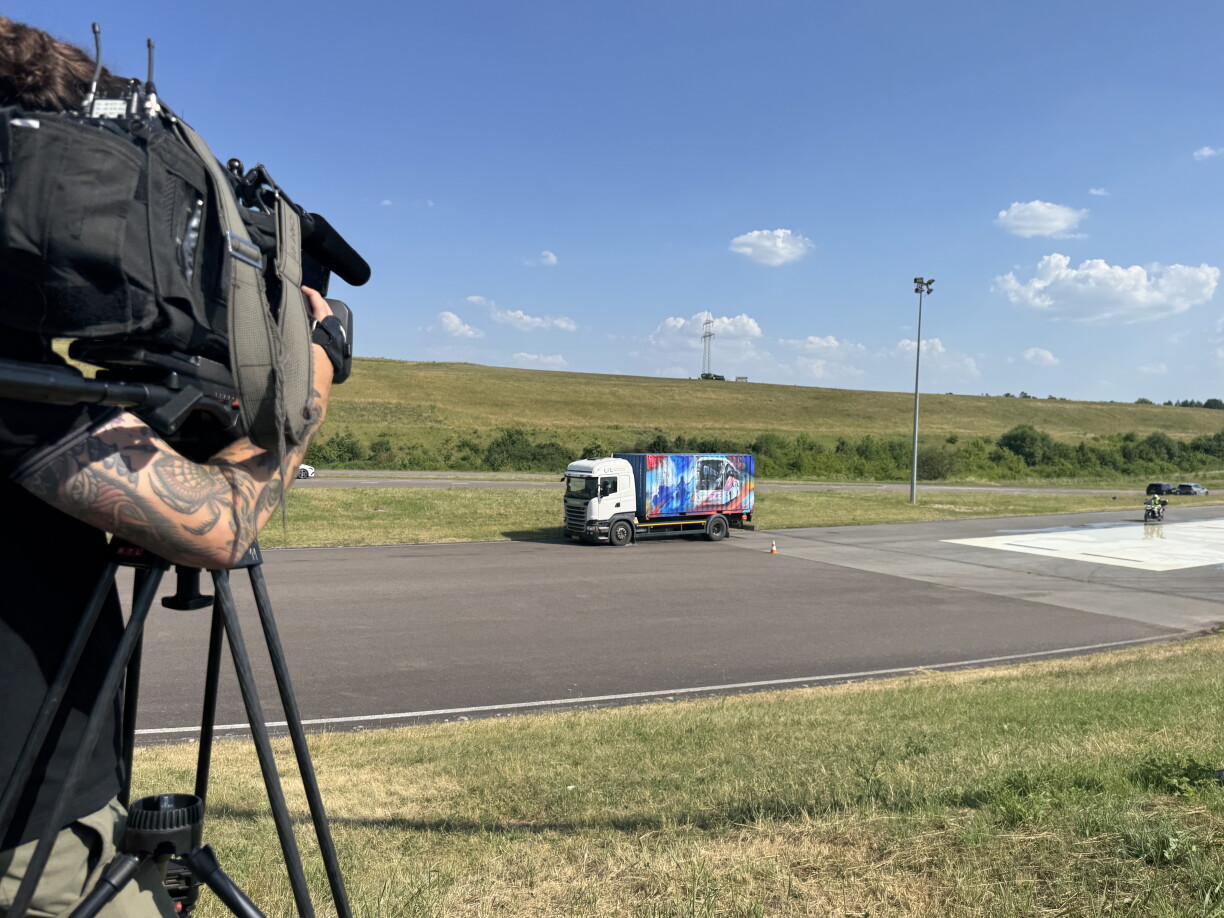
One type of course has become particularly popular in recent years. Eric Mathias, who has directed the CFC for the past six years, said demand had doubled since the penalty for using a mobile phone while driving was increased from two to four points.
The courses were therefore proving highly popular, he added.
Mathias noted that distraction behind the wheel continues to be underestimated by many drivers. Using a mobile phone or operating a vehicle's digital screens while driving are among the common factors contributing to road accidents.
Speaking at the CFC's anniversary celebration, Mobility and Public Works Minister Yuriko Backes said speeding, drink-driving, and distraction remained major causes of accidents. "Looking at a mobile phone while driving is still one of the factors that leads to accidents", she stressed.
For three decades, the CFC has sought to encourage motorists to reflect on their behaviour and, in doing so, make Luxembourg's roads safer.





