The Luxembourg government is developing a new national waste and resource management plan to guide environmental policy through 2030. Currently in its proposal phase, the draft plan welcomes public feedback before finalisation.
Environment Agency representative Stephanie Goergen emphasised to our colleagues from RTL Radio that waste prevention remains the top priority. "The best kind of waste is the one that isn't produced at all," she stated. The strategy hierarchy focuses first on prevention, followed by reuse and extending product lifecycles through initiatives like encouraging repairs.
Despite decades of environmental efforts, Luxembourg continues to lag behind most EU nations in waste management. Eurostat data ranks the country among Europe's highest waste generators per capita, surpassed only by Estonia, Bulgaria and Belgium. Household waste separation remains problematic, with significant amounts of recyclable materials – including 30% biowaste, 20% paper/cardboard and 15% plastic – still contaminating residual waste streams.
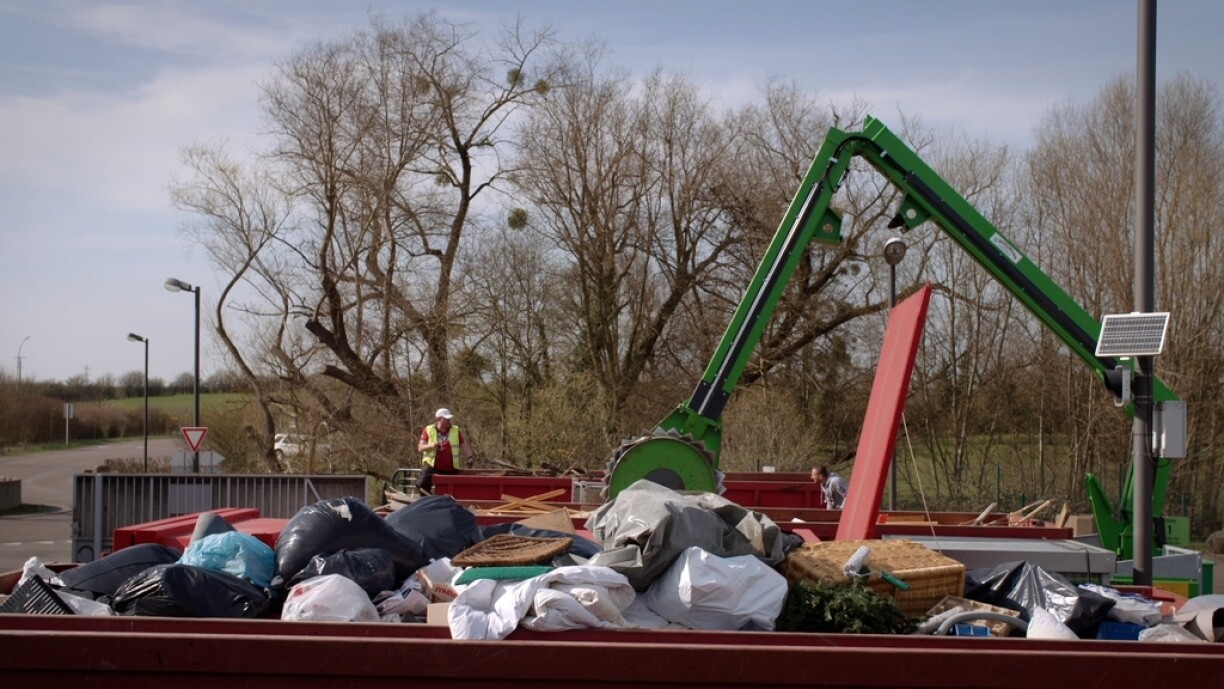
The proposed national strategy aims to simplify waste management by strengthening municipal partnerships, according to Paul Rasqué of the Environment Ministry. A key innovation will be establishing networked "resource centres" (replacing traditional recycling centres) that all residents can use regardless of their home municipality.
Rasqué emphasised the terminology shift reflects an expanded function – these facilities will not only accept materials but also distribute reusable items. The ministry is also developing flexible implementations of the "polluter pays" principle, with potential systems including weight-based bin taxes or fees tied to collection frequency.
Industrial sectors face particular challenges, with recyclables (wood, paper, plastic, metal) comprising over 50% of business waste. The plan sets a 60% reuse/recycling target for commercial waste by 2030.
The draft remains open for public consultation at zesumme-vereinfachen.lu.





