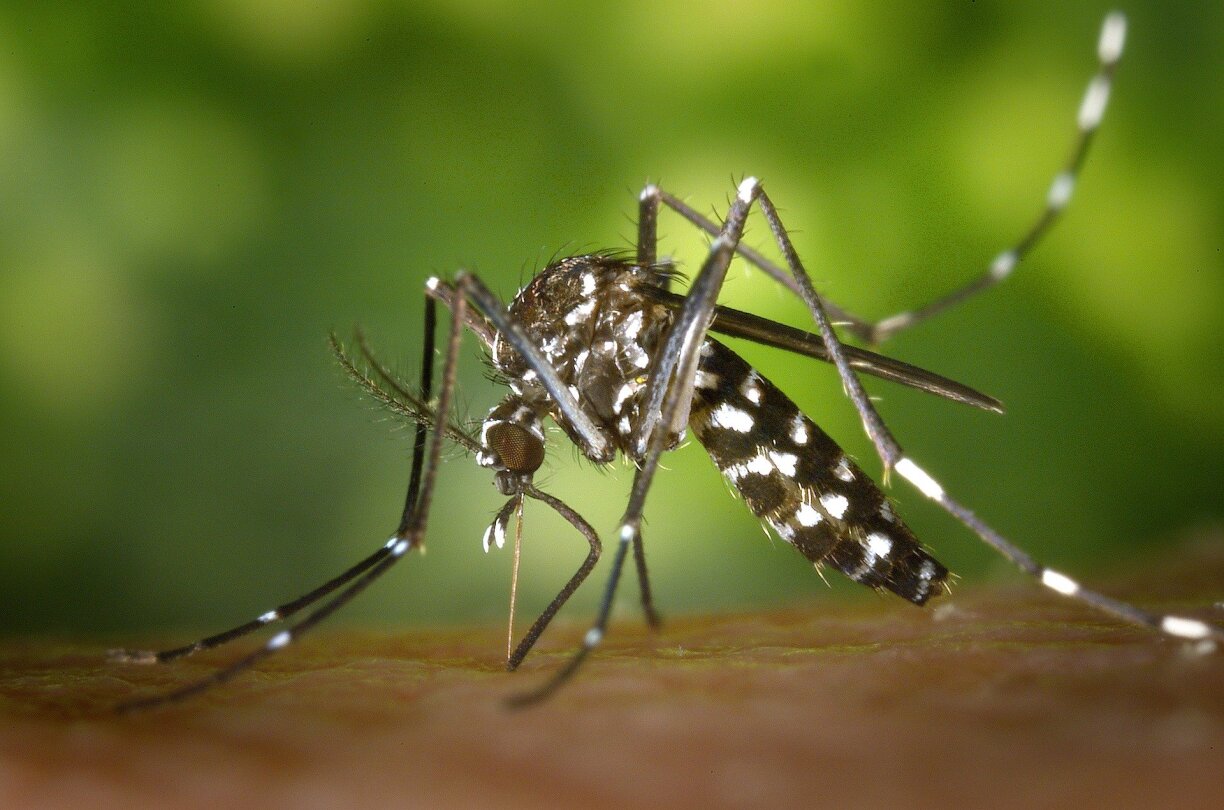
Recent malaria cases around Frankfurt Airport have caused concern after three people died from the disease. Worryingly, none of the infected individuals had recently travelled to a malaria-endemic region, suggesting the possibility that infected mosquitoes arrived via aircraft.
Such local transmissions, known as "airport malaria", are exceptionally rare. However, Luxembourg has also registered isolated incidents in the past, raising questions about the current risk level.
The most likely explanation for the recent Frankfurt cases is that infected mosquitoes travelled by plane and then bit people in or near the airport area. Investigations are ongoing, but the phenomenon, though rare, is also possible in Luxembourg.
Dr Anne Vergison, division head at the Health Inspectorate, explains that it is not impossible for this to occur in Luxembourg, as it has already happened in the past, albeit a long time ago.
At the end of the 1990s, Luxembourg recorded five cases of airport malaria. Those affected had not travelled abroad but were infected locally, for example in Canach.
Areas surrounding airports carry a slightly increased risk, as invasive mosquito species could survive and transmit diseases. To minimise this risk, preventive measures are in place at Luxembourg airport.
For instance, all cargo flights are treated with insecticide to prevent mosquitoes from surviving transport in these aircraft, Dr Vergison elucidates. She also reassures that despite these isolated cases, the risk of contracting malaria in Luxembourg remains extremely low for the general population, and "there is no need for concern".

Malaria itself is far from harmless: the disease can be severe and, in the worst cases, fatal. However, symptoms are not always clear-cut, often resembling those of influenza.
According to Dr Vergison, symptoms include headaches, high fever, and potentially chills, resembling the flu. If someone falls seriously ill, they should see a hospital rather than just a general practitioner.
Imported malaria cases are far more common in Luxembourg than local transmission. Each year, around forty cases are reported among people who contracted the disease abroad and brought it back to Luxembourg.
Anyone travelling to a risk area should seek advice well in advance. Depending on the destination, taking malaria prophylaxis may be necessary.
Wearing long clothing, using mosquito nets, and applying insect repellent are also recommended as additional precautions.
Dr Vergison advises booking an appointment with the travel medicine department at the Centre Hospitalier de Luxembourg and consulting the travel clinic to discuss protection measures and necessary precautions during trips.
People returning from a trip to a malaria zone and developing a fever or flu-like symptoms are advised to inform their doctor about their recent travel history. Early diagnosis is crucial, as malaria is treatable if detected promptly.





