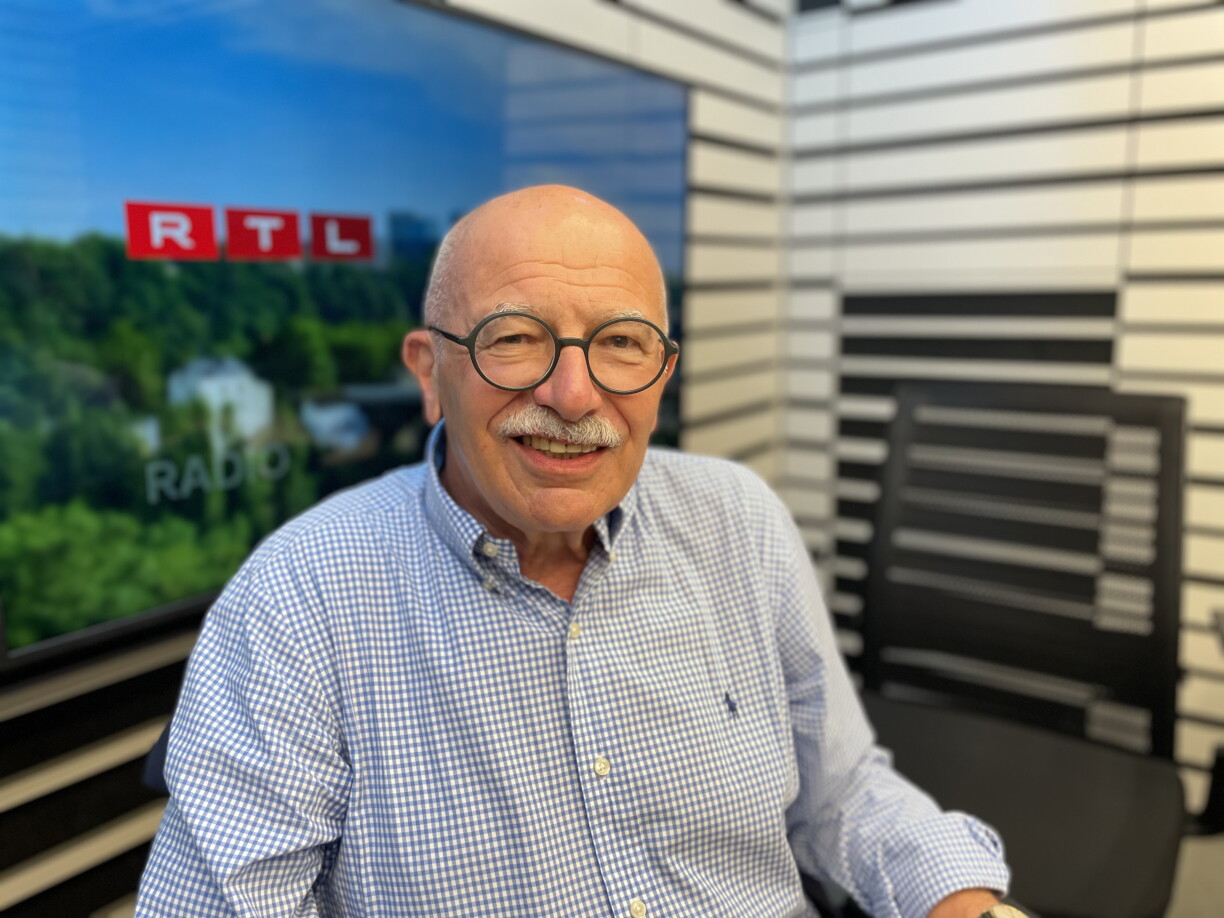
This year, the driver training centre (CFC) in Colmar-Berg is celebrating its 30th birthday. Tens of thousands of drivers have passed through the site over that time, whether because attendance is compulsory during the licence probation period or to win back points on their driving licence. That work has borne fruit, at least according to Paul Schmit, the longtime former president of the CFC, who was invited as a guest on RTL radio on Thursday.
It was not yet time to speak of a positive result, Schmit said, since even one road death is one too many, but the trend is heading in the right direction. In 1970, there had been 132 fatal accidents on the country's roads, compared to "only" 29 last year, which shows a drop of 80%.
In 1996, the year the driver training centre opened its doors, 70 people had still died on Luxembourg's roads. Schmit was quick to point out, though, that the positive turn was not down to the CFC alone. Several factors were at play, in particular the quality of the road network, the technical equipment of vehicles, the speed of first aid on the scene, and the legal framework.
Drivers who obtain their licence in Luxembourg have to attend the centre in Colmar-Berg within their first two years, along with those who have lost all 12 of their licence points and want to win their licence back. Schmit did not accept the accusation that the state was, through this arrangement, helping a private company line its own pockets.
With one exception, he said, no dividend had ever been paid out, meaning that all the money earned had been reinvested in the site. Looking at last year's figures, the profit margin after tax had come in at 5%, which in his view was hardly excessive.
Looking to the future, Schmit would like to see drivers who take part in the points-recovery course face tougher consequences, since some of the behaviour on display leaves a great deal to be desired.
Most participants, he said, were fine. They turned up and understood that it was more interesting to actually learn something than to sit around all day. A minority, however, disrupted the course badly, interrupting with their phones or making it plain through their behaviour that they had no interest whatsoever in what was going on around them.
Just turning up, Schmit argued, should no longer be the sole criterion for getting one's points back. Mobility Minister Yuriko Backes has also signalled that she wants to move in that direction.





