On Tuesday in Laos, Xavier Bettel, Minister for Development Cooperation, announced that bilateral cooperation with Burkina Faso, Niger, and Mali will not be extended. However, non-governmental aid organisations are not affected by this decision. in conversation with RTL, SOS Faim, an NGO combatting poverty and hunger, and the Follereau Foundation, which is committed to the prevention and promotion of an improved quality of life, did not express surprise over Bettel's announcement.
Although these NGOs do not collaborate with the government in the respective countries, their work on the ground has become increasingly difficult. The situation is unstable and, at times, extremely dangerous. Thierry Defense, Director of SOS Faim, explains that people who remain in certain areas, especially those controlled by terrorist groups, are often the most vulnerable. They simply cannot afford to leave, which makes their situation precarious.
"We keep on learning that livestock and cash register with money are stolen", explains the director. SOS Faim aims to undertake many projects in regards to microfinancing and efforts are made to secure savings. Nevertheless, even such work remains perilous as cash registers are frequently targeted and attacked.
Additionally, many SOS Faim employees working in such areas do not feel safe, a situation that the NGO seeks to avoid at all costs.
The situation is indeed quite delicate, acknowledges Conny Reichling, board member of the Follereau Foundation. Their objective is to assist locals without putting anyone in danger: "We have to operate in such a way that we can assist our colleagues as much as possible from abroad. Additionally, we don't want to put any of our beneficiaries in danger by inviting them to a place where they have to gather and travel long distances to receive our aid. We call this the 'advanced strategy', meaning we meet with people directly in their own villages. That is what we're prioritising at the moment."
The foundation is currently supporting eight countries, including Burkina Faso and Mali, with help from the Ministry. These countries currently receive 10% of the overall aid, but it has been anticipated that projects need to be scaled down: "We weren't sure whether we could guarantee the success of everything we had planned, like for example building more durable health facilities. This is something that we don't do at all anymore as such projects attract a lot of attention from the get-go and at the end of the day, we're not even sure that such facilities will be used for their intended goal."
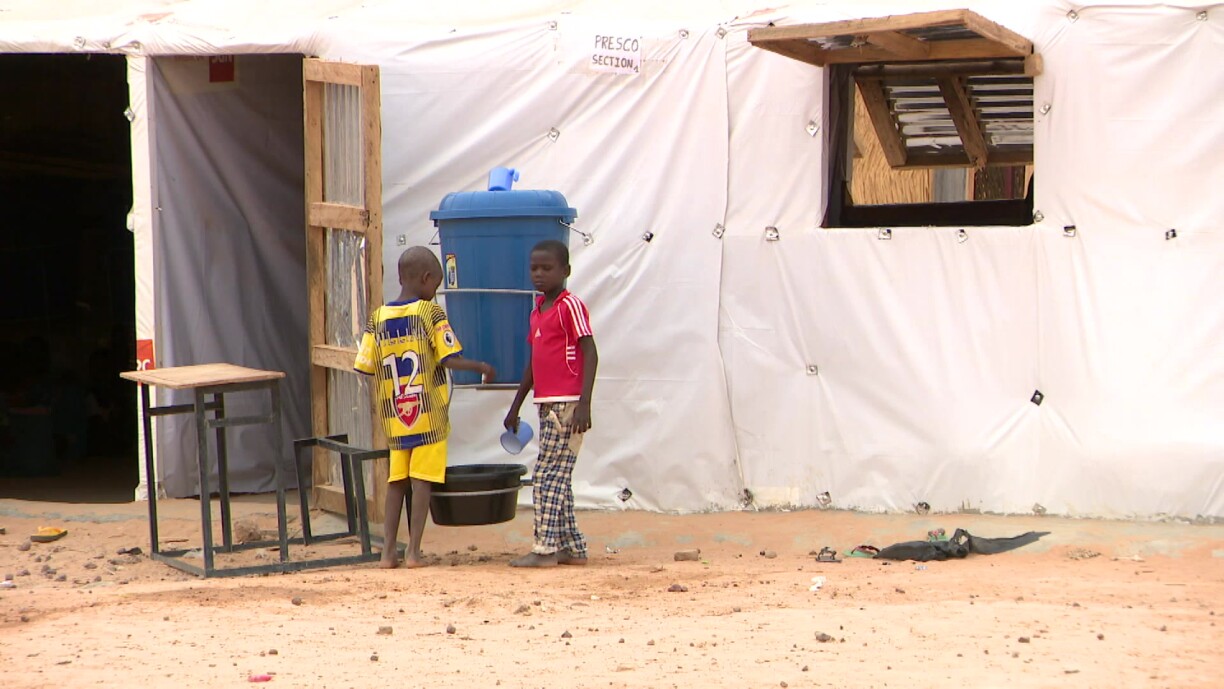
As long as it remains feasible, both NGOs want to stay active and support their partners on the ground. To leave without a warning would have detrimental impacts on the wellbeing of local children whom the NGOs help and assist.
SOS Faim recently finalised new projects, securing a total budget of €3.4 million, as outlined by Defense. It is important to note that this budget is allocated across six countries. Notably, 80% of this funding is co-financed by the Ministry of Finance. Specifically, for Mali, Niger, and Burkina Faso, this financial support constitutes approximately half of the total budget, amounting to over €1 million contributed by the state.
The Follereau Foundation affirmed that this partnership with the Ministry is valid until 2025. While the future remains uncertain and the situation may evolve rapidly, there is a commitment to assessing the circumstances when the time approaches. Overall, the overarching goal for NGOs is to keep supporting the civilian populations.





