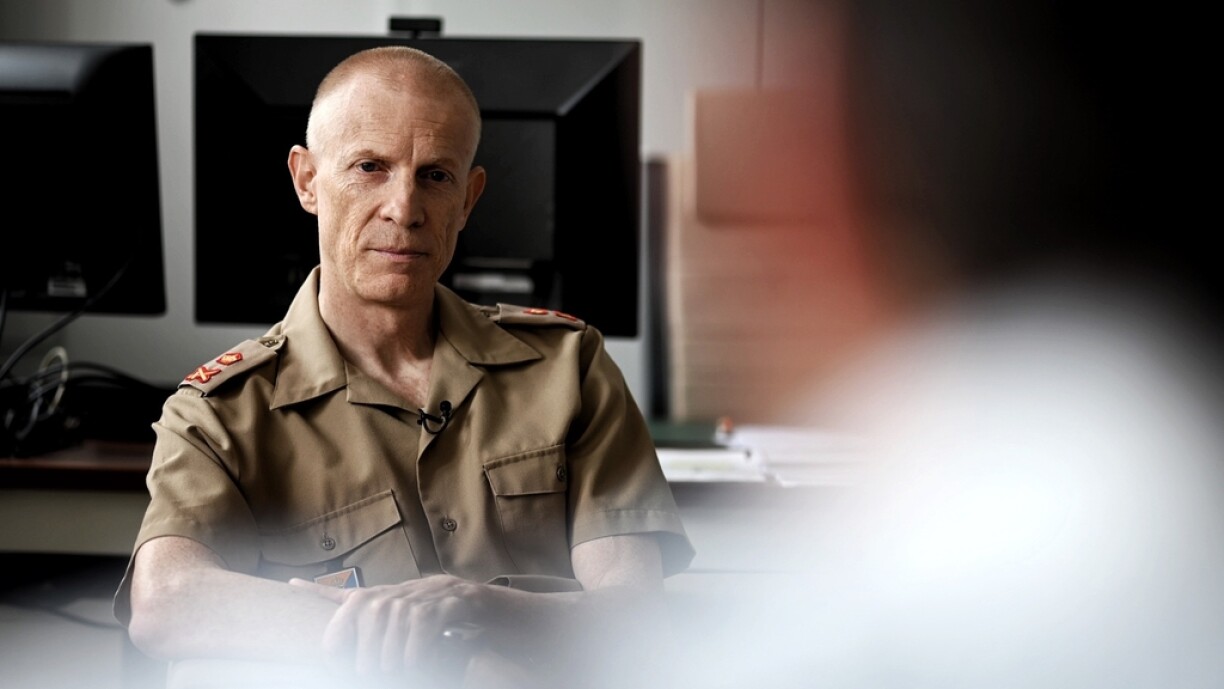
The Ukrainians do not have enough weapons and ammunition, while the Russians have been able to set up wider lines of defence, says General Steve Thull.
"The best case scenario, if possible, would be a breakthrough allowing Ukraine to regain the territory they have lost. However, I don't see that happening in the immediate future. That is why the essential perspective, and this is what Ukraine has been told by NATO, is that all NATO countries must exhibit a will to continue supporting Ukraine."
Since the war broke out last February, the Luxembourg Army has completed five tasks, said the general, sending both soldiers and weapons to Lithuania.
NATO's "Very High Readiness Joint Task Force" was deployed faster than previously planned. Luxembourg now has forty soldiers on the task force, while stationing others in Romania in March to reinforce NATO's eastern flank. The Luxembourg army is also part of the EUMAM (EU Military Assistance Mission), which is training Ukrainian soldiers.
As a small country, the Grand Duchy "does what it can according to possibilities," says Thull. "There are plans to send two additional soldiers to Lithuania at the end of July as reinforcements."
With Finland and eventually Sweden's accession to NATO, the military alliance will be reinforced. Not only does this involve the addition of strategically important countries into NATO territory, but Finland and Sweden also possess very capable armies.
"The most important repercussion of all of this, in my view, is that Putin called NATO his biggest adversary, and blamed NATO for his invasion of Ukraine, and [...] after all that has happened, we now see NATO has grown stronger. I think that is the best response."
In the interview with RTL, Thull said Luxembourg's NATO membership allows it to enjoy peace like never before. He also called it the basis of the country's economic growth and prosperity.
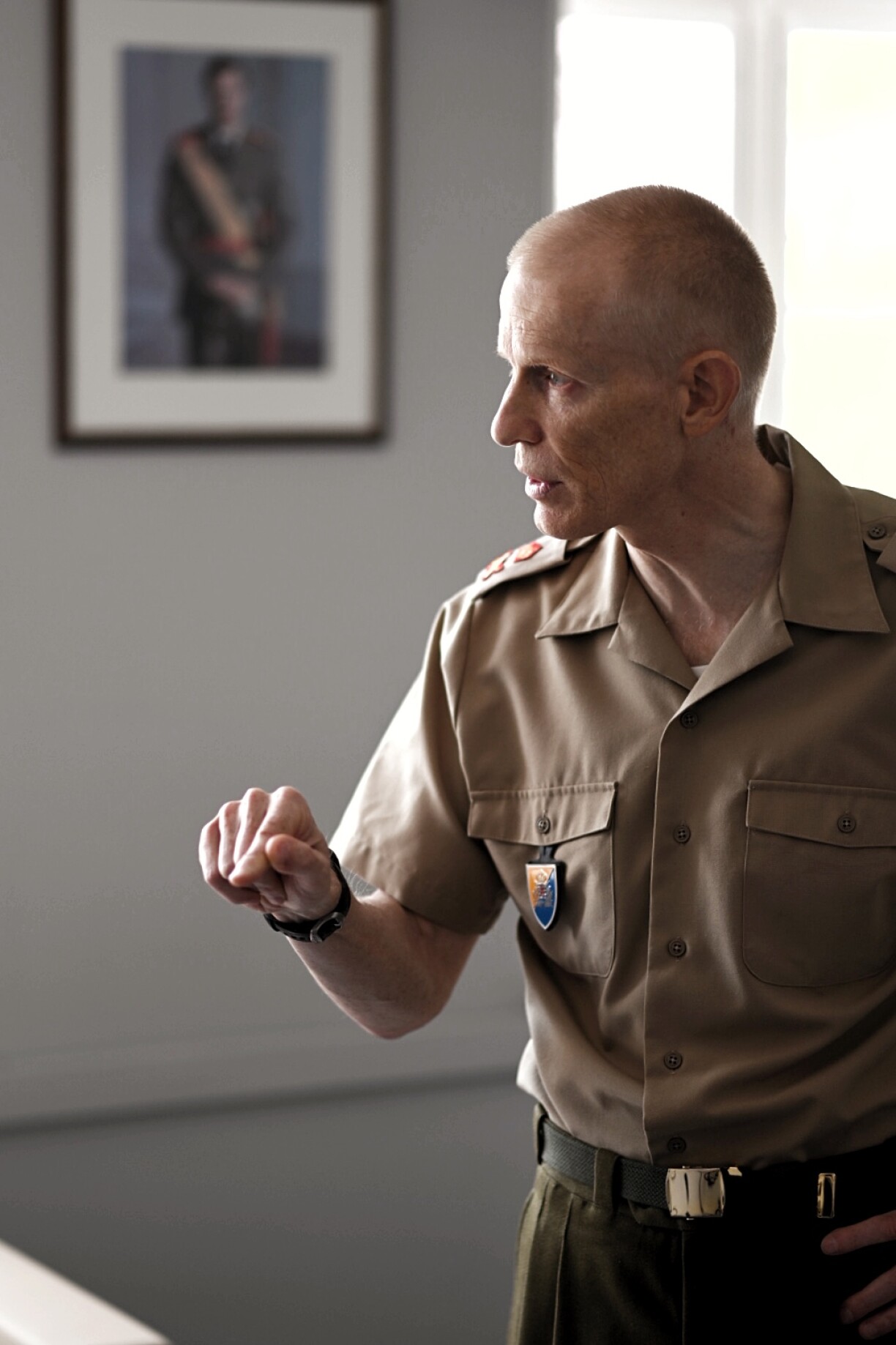
"We can only function well economically from a peaceful position, if the environment is secure and we can move forward as a country. If peace isn't guaranteed, then we would have completely different concerns. Survival would be key, taking the focus away from other economic or social aspects, which we require to evolve as a society."
In Luxembourg's case, solidarity is measured by proportionality. Thull says it is important to guarantee the Luxembourg army is up to the job, despite being unable to keep up with other states in terms of numbers. Quality at the level of other Western armies is therefore key in attaining credibility as a nation.
He underlined that the Luxembourg Army is not required to match other countries in terms of providing troops, but said "if these troops are at the same level of quality as others, then we will have made our contribution. For me as a leader, it is vital to guarantee our army's operations. If we can be as operational as other countries, then we are effectively contributing, as a credible army will not be attacked."





