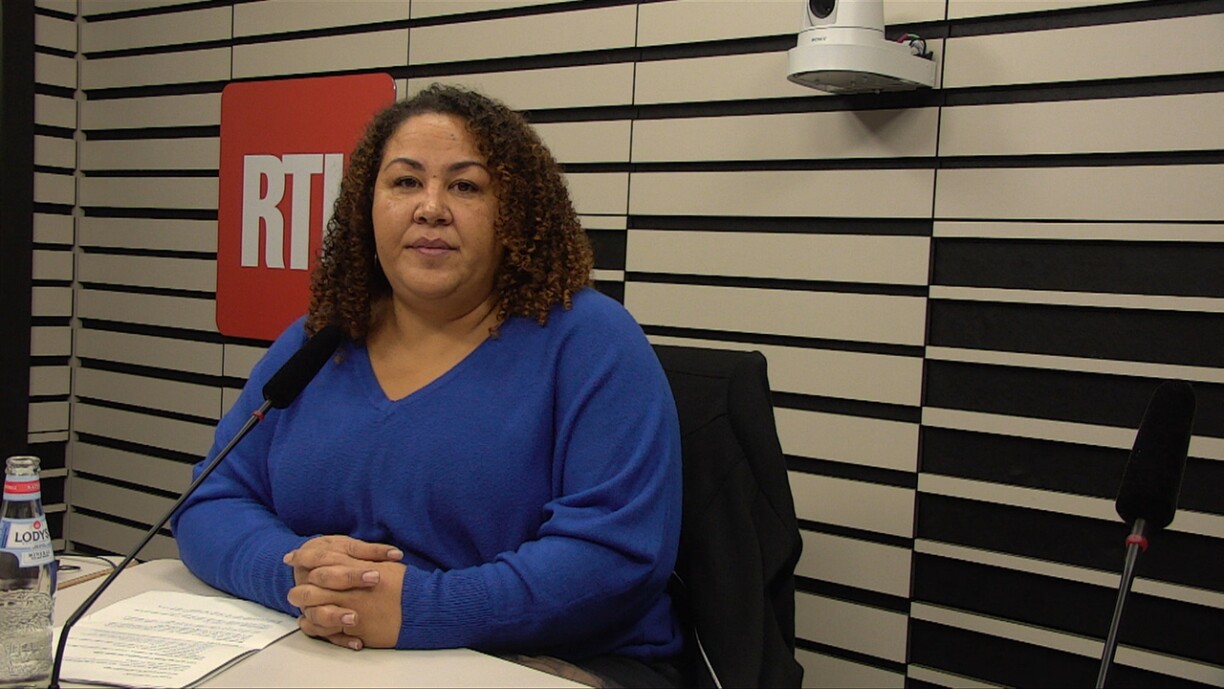
Nicole Ikuku stated that while the impact of the pandemic was noticeable in the field, the majority of projects could be relaunched, and the sector of cooperation showed itself to be “very resilient”. NGOs adapted well to the situation and had to restructure themselves significantly, but with “creativity and flexibility”, the sector was even able to launch various new projects, despite the pandemic.
Regarding finances, Ikuku explained that the number of donations remained “relatively stable” in 2020. However, a significant decrease in profits means that in 2021, NGOs are slowly but surely running out of money. Ikuku pointed out that they were mostly unable to organise public or cultural activities over the past one to two years, activities which usually yield a lot of funds.
A crucial element of this issue is that an NGO which has signed a convention with the Ministry and thus benefits from financial support, still has to provide 20 to 40% of the total financing itself. However, Ikuku stated that the Ministry showed itself very flexible, which helped a lot.
Ikuku announced that in preparation for next week’s debate on cooperation policy at the Chamber of Deputies, the Circle has drafted 14 legislative recommendations for the next two years. They include, for instance, calling on the government to ensure more respect for human rights in companies. In this context, the Circle also supports the introduction of a supply chain law. Another one of the Circle’s recommendations to the government is to support small family-owned businesses in the agricultural industry instead of major corporations.
Ikuku stated that she is optimistic that Luxembourg will have “the courage” to implement these recommendations. The director of the Luxembourg Cooperation Circle concluded by stating that by investing 1% of its GDP in development aid, Luxembourg is “a role model” for numerous other countries.





