Despite recent scorching temperatures, Luxembourg has not experienced any bottlenecks in its electricity supply.
The extreme heat has caused outages in several countries in recent days. In France, for instance, nearly 70,000 households were left without electricity for hours last week.
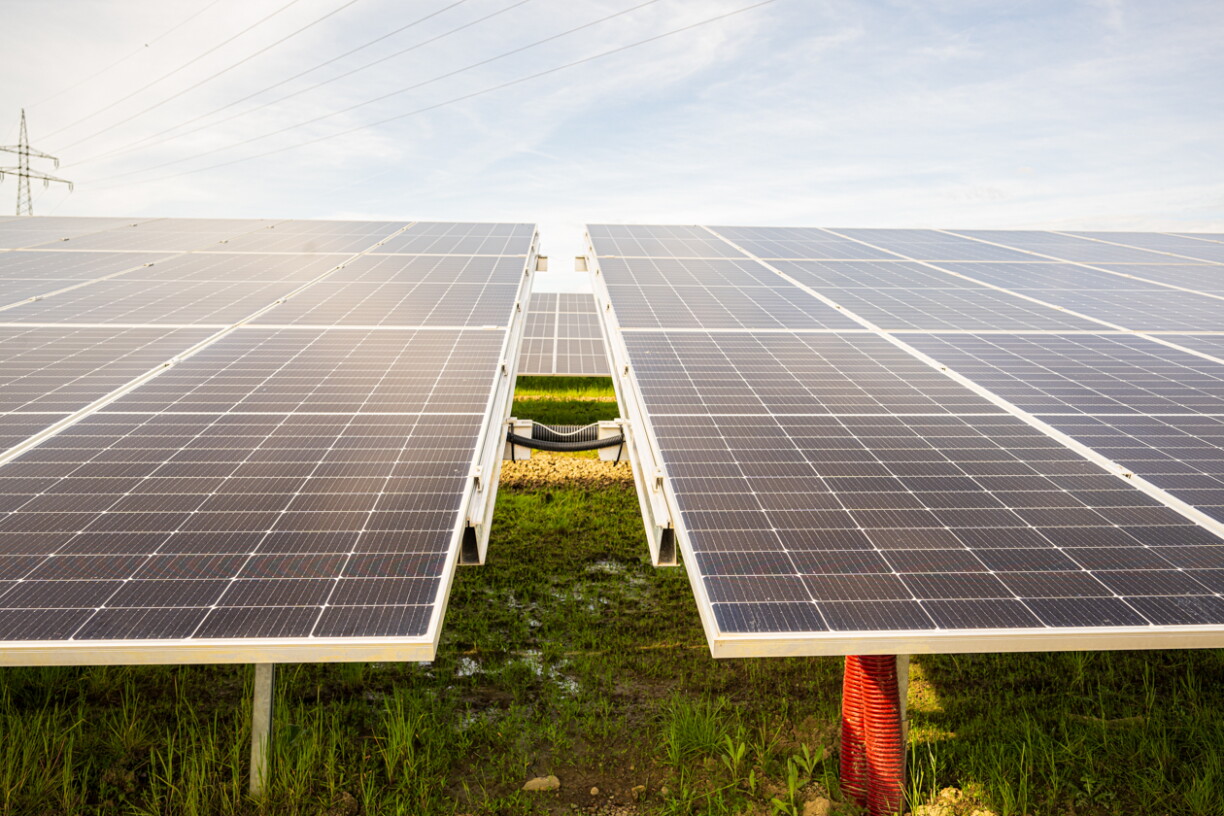
With temperatures approaching 40 degrees Celsius, residents have turned to various methods to stay cool – from staying indoors with electronic devices, to visiting air-conditioned shopping centres, to running their own air conditioning units at full capacity. All of this increases electricity consumption, and one might expect the grid to have come under significant strain. However, in the Grand Duchy, grid load increased by only 5 to 6% during the heatwave. Marc Meyer of Creos attributed this, in part, to the country's 36,200 photovoltaic installations, which generated more power thanks to the abundant sunshine and thus helped offset the higher demand.
Solar energy is not the only factor ensuring grid stability during extreme weather. Luxembourg also has sufficient backup alternatives in the event of outages. Meyer explained that the Grand Duchy's grid is designed according to the N-1 criterion, meaning that high-voltage lines are duplicated so that if one line or component fails, the other can take over. Conversely, this also means that under normal conditions, the grid is never loaded beyond 50% of its capacity, Meyer added.
Nonetheless, the exceptionally high temperatures prompted Creos to make adjustments, particularly regarding network maintenance. Meyer noted that working hours were preventatively changed last week, with outdoor work shifted to the early morning hours. Customer services, including connection setup, continued to operate during normal working hours.
Overall, the heatwave in Luxembourg thus caused no overloads or bottlenecks to the electricity supply.





