Luxembourg remains a small yet prosperous nation in the heart of Europe, but new figures released by Statec show that the country is experiencing slower population growth, a decline in median income, and a sharp increase in household expenditures, with housing costs accounting for a substantial share.
The population of Luxembourg continued to grow at a slower pace in 2025. As of 1 January 2026, the country had 690,959 residents. This marks an annual growth rate of 1.3%, noticeably lower than in previous years, when growth rates ranged from 2.0% to 2.5%. Of the total population, 368,900 are Luxembourgish citizens, while 322,100 hold other nationalities. Among foreign residents, Portuguese citizens remain the largest group (88,300), followed by French nationals (49,300).
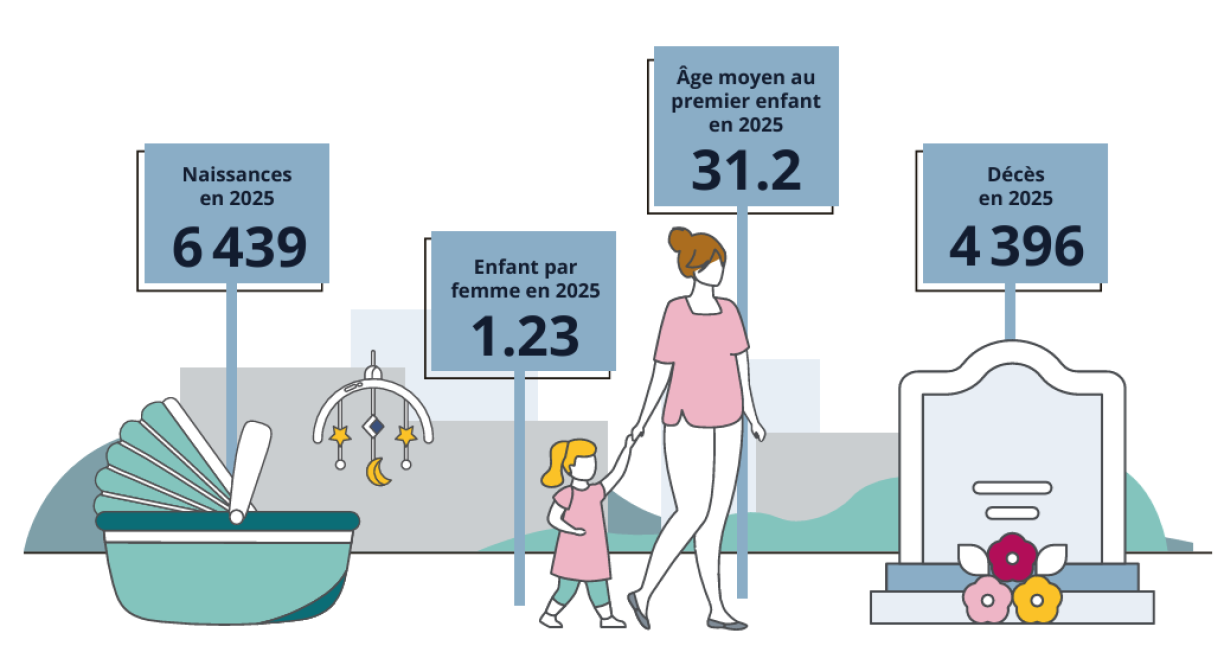
In 2025, 6,439 babies were born in Luxembourg, a figure almost identical to the previous year (6,459). Women had their first child at an average age of 31.2.
Marriage rates saw a slight rise, with 2,604 couples tying the knot in 2025 compared to 2,567 the year before. Meanwhile, divorces increased significantly, reaching 1,367 in 2025, up from 1,197 in 2024. Nearly half of Luxembourg’s residents are married (47.5%), while roughly one third are single (32.6%).
Children under 15 and adults over 65 each account for 15.5% of the population, reflecting the country’s balanced demographic structure at both ends of the age spectrum.
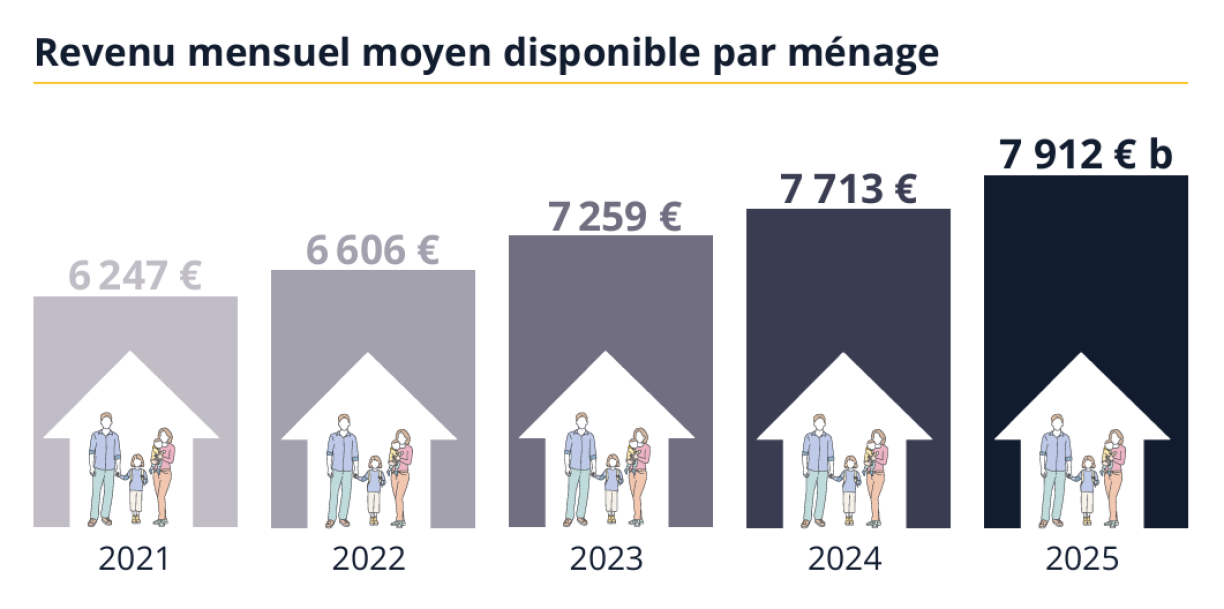
The median monthly income for adults fell to €4,170, meaning half of adults earn less than this amount, while the other half earn more. This figure declined from €4,233 the previous year. On the other hand, the average disposable household income rose to €7,912 per month in 2025, up from €7,713 in 2024.
The poverty risk threshold in Luxembourg stood at €2,502 last year.
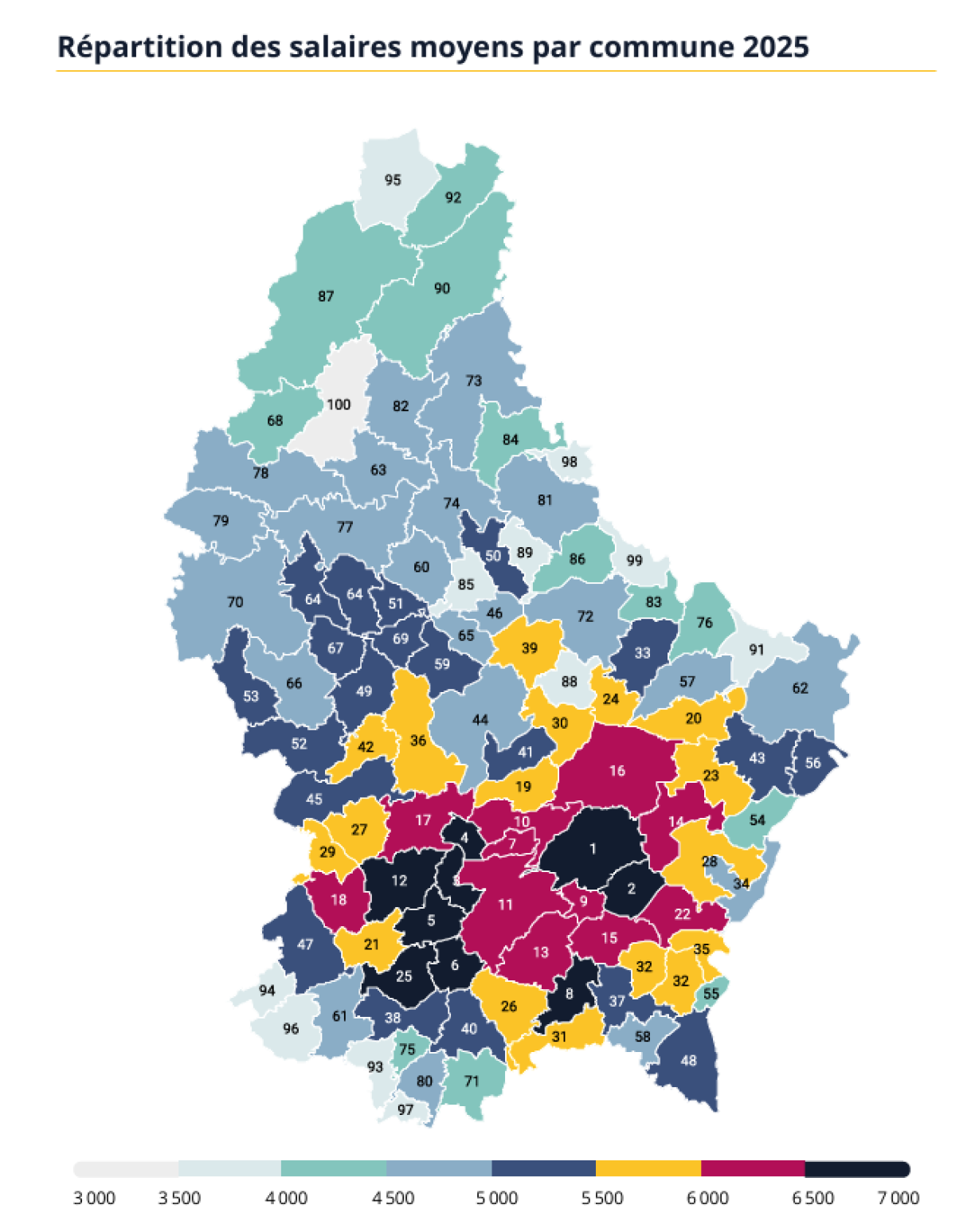
When it comes to local disparities, the commune of Niederanven, near Findel, boasts the country’s highest median monthly salary at €7,048. Other high-income communes include Schuttrange, Strassen, Kopstal, Bertrange, Leudelange, Walferdange, Weiler-la-Tour, Sandweiler, and Steinsel. The capital, Luxembourg City, ranks eleventh, with a median monthly salary of €6,000.
At the lower end of the scale, Wiltz ranks one hundredth, with a median salary of €3,472.
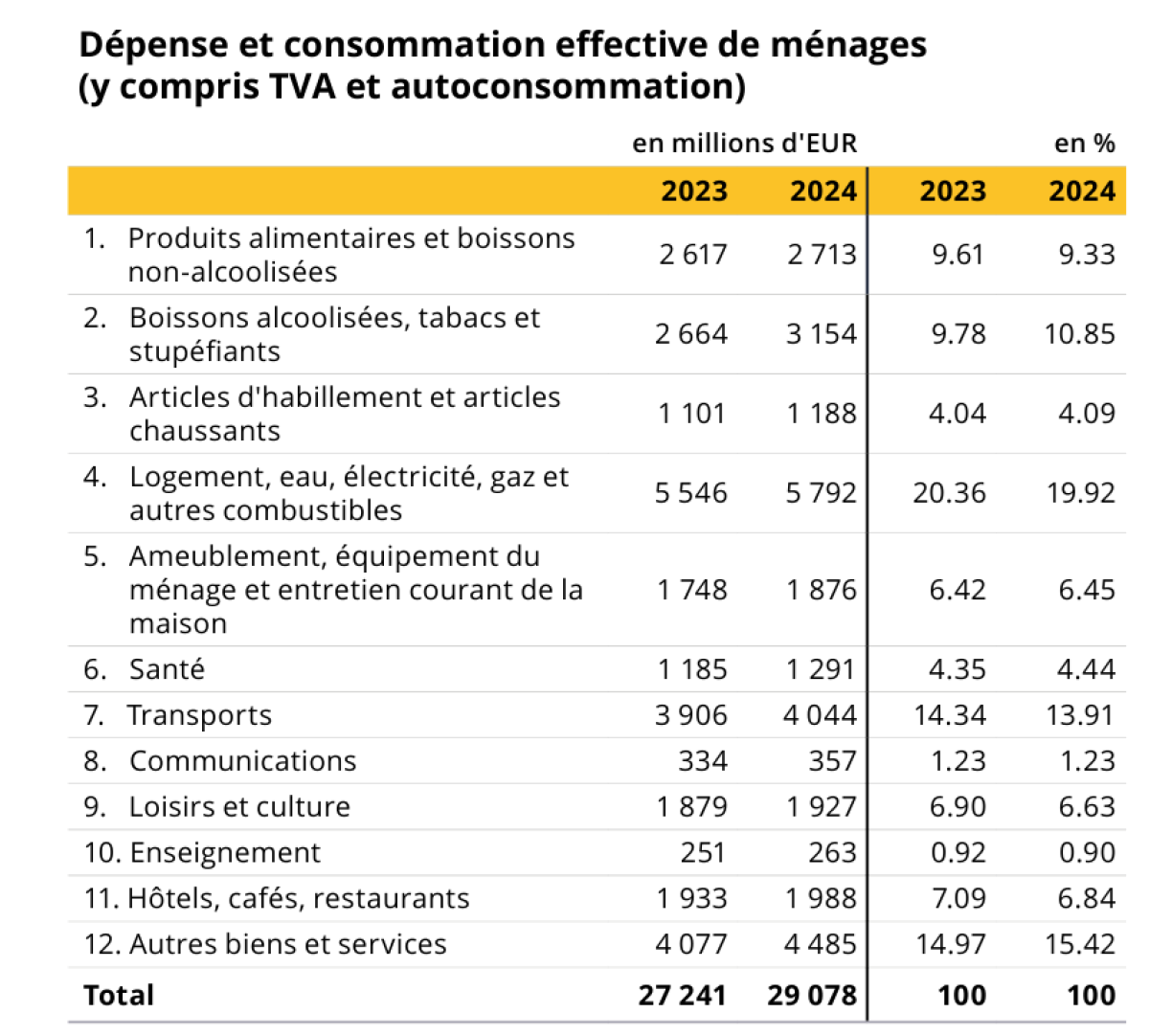
In 2025, Luxembourg households spent an average of €89,997, a record figure and a substantial increase from €86,144 in 2024. Just four years earlier, average annual household spending amounted to €66,104, underlining the rapid rise in living costs.
The largest portion of this budget went towards housing, electricity, and fuel (€38,456), followed by transport (€11,804). According to Statec, last year households spent less on restaurants and hotels (€5,876), but increased spending on alcohol, tobacco, and narcotics (€921).
The average duration of leisure trips taken was 6.8 nights, with half travelling by car and over one third (37.5%) flying to their destinations. The average amount spent per person per holiday trip was €1,304.
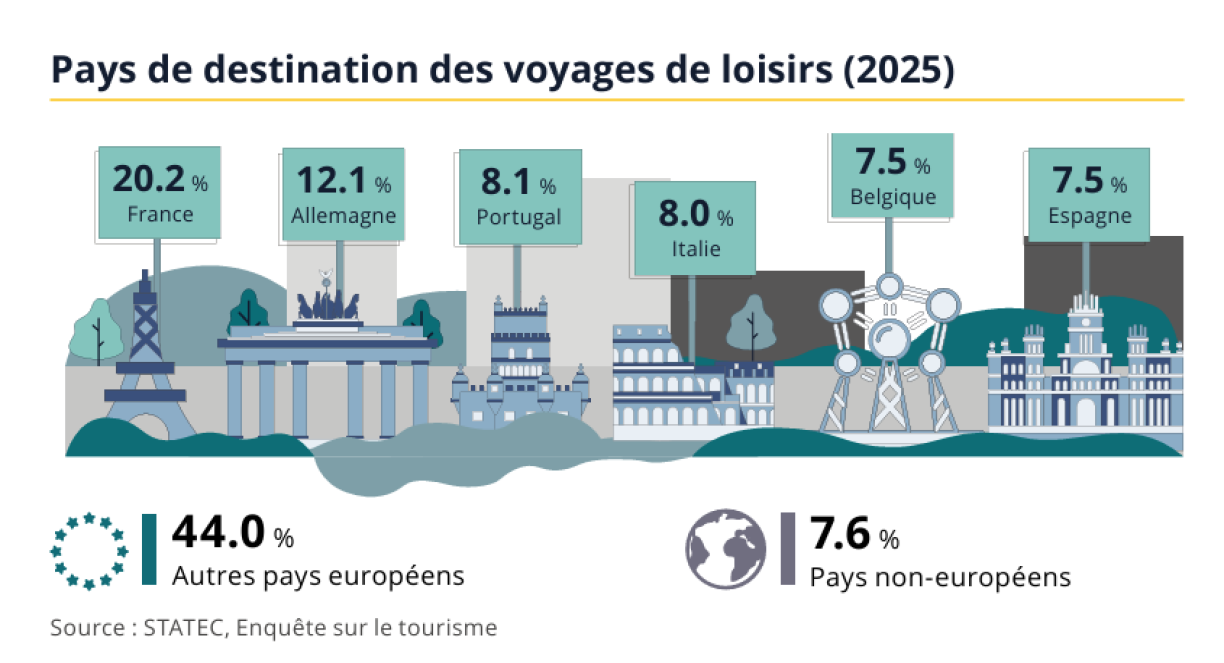
France remains the top destination for leisure travel (20.2%), followed by Germany (12.1%), Portugal (8.1%), Italy (8.0%), Belgium (7.5%), and Spain (7.5%).