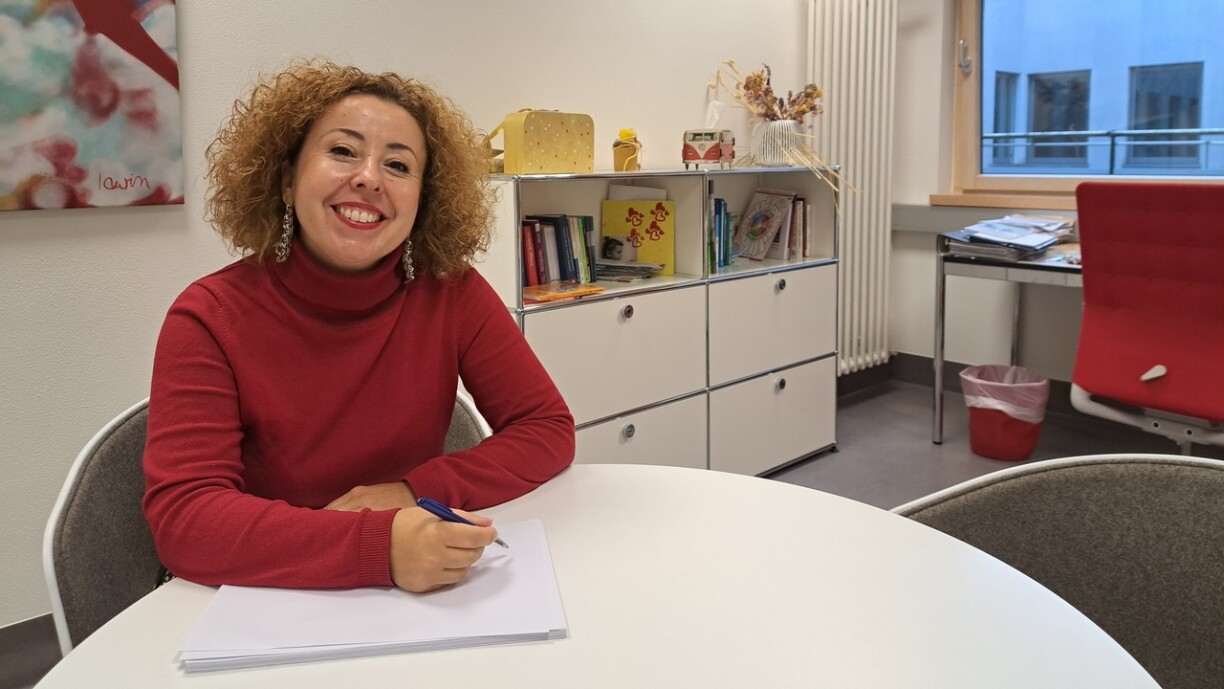
The first step in helping a child or a teenager that is struggling with mental health is to seek out a conversation with them.
Not every child that is feeling unwell needs to go see a psychiatrist. But when therapy is useful, that process can still be misunderstood by many. However, Dr. Salima Aarab states that the stigma surrounding mental health has gone down over the years.
Should a child or teenager exhibit changed behaviour for weeks or months at a time, then parents should seek professional help.
At very young ages, some warning signs that parents can be on the lookout for are a sudden regression in language usage or wetting the bed again. It can also be a cause for concern if a child is less talkative than before, or seems to lose all enjoyment.
In these situations, a heart-to-heart conversation can help. The key is for the parents not to blame themselves but rather to really try to understand what goes on in the child’s mind.
For teenagers in high school, things to look out for could be if a teenager only spends time on their phone and no longer enjoys any of their hobbies. Struggling with school performance can also be a warning sign.
Sometimes physical symptoms like stomach aches, sleep problems or nausea can also be seen as warnings for mental health struggles. As a parent, you should analyse the situation and take note of how long the situation goes on for.
The psychologist services within high schools (SEPAS) can be a good first point of contact, but Dr. Aarab regrets that you cannot find them at primary schools.
However, should a child or teenager exhibit suicidal ideation or self-harm, you should act immediately and seek professional help. Here, a first point of contact can be your GP. A doctor can make a first assessment of the situation. Sometimes these behaviours can have a medical reason, such as a dysfunction of the thyroid gland. Should that not be the case, the GP can determine if the child should see a psychologist or a psychiatrist.
The difference between a psychologist and a psychiatrist is that the latter is medically trained and can thus prescribe medications. However, Dr. Aarab states that in child-focused institutions most children are treated without pills. Usually, child psychologists will try to find a solution that does not require such a prescription.
While stigma around mental health and therapy has gone down over the years, and parents are more open to the idea of therapy for their children, Dr. Aarab has noticed that treating mental problems with the help of medication can still be frowned.
However, she still gets contacted by children whose parents don't know they are seeking the help of a psychologist.
"Any child can come here. I've had teenagers come here alone and of course we took them in. We do not turn anybody away."
A lot of the time, after a conversation with the therapist, the parents are open to finding a solution together. For the psychologist it is important that the family is part of the child’s treatment. Very rarely do parents outright refuse for their child to start therapy. But in these few cases, it can become a serious problem for the children, as they do not receive the support they need to get back on track.
Dr. Aarab explains that, usually, when an adult starts therapy, the first problems had occurred during their childhood. If those issues are recognised and treated at a younger age, it can also work as a form of prevention.
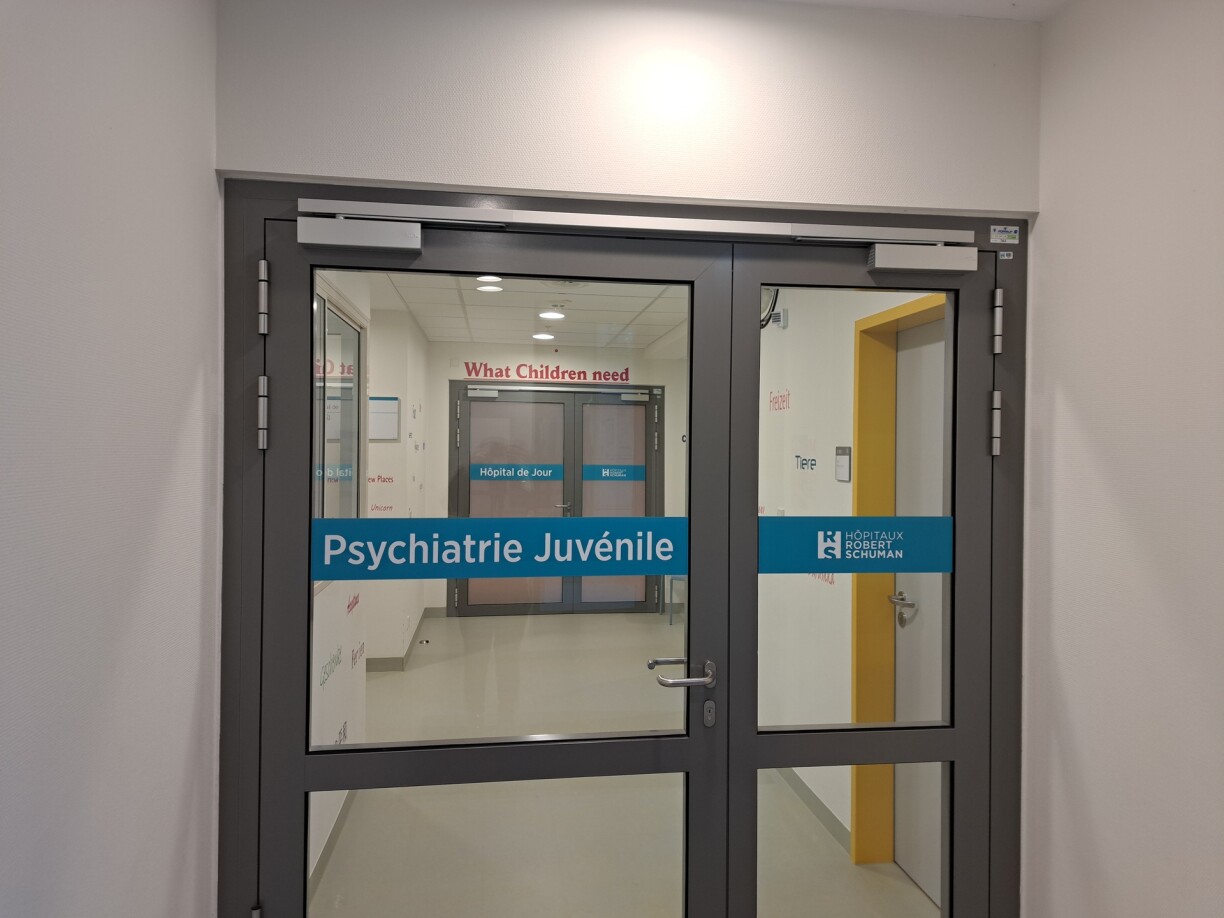
One of the biggest issues is the amount of time it can take before a therapist becomes available for a first session. During this time period where the child can only wait, support and compassion from the family is very important.
Dr. Aarab also thinks there should be more places for children to get help, such as more structures outside of hospitals so that children could get help all across the country. But, also, more ambulatory structures that would regroup multiple fields of psychology. This way, we could avoid situations where a patient is sent from one specialist to the next.
She did, however, welcome the creation of the anonymous help hotline for parents that allows them to ask for help in a quick and easy way. As often times adults do not know how to deal with their child’s situation, this can help them better support the child - and, sometimes, an issue can be resolved without the help of a medical professional.
Dr. Salima Aarab summarises that prevention and more easily accessible ambulatory structures could help curb the development of more serious psychological issues.
(Content warning for eating disorders and their consequences)
Dr. Salima Aarab states that psychological issues have always existed but often times were not diagnosed nor treated.
Many times during conversations the parents talk about family members who exhibited similar behaviour to the one their child is displaying, but that it had never been addressed. Nowadays, problematic behaviours get a name and a treatment plan.
On the other hand, society is constantly evolving and changing. Dr. Aarab does not deny the impact that digital media has on children and teenagers. For example, they spend too much time being “online”. They spend a lot of time comparing themselves to their peers, so they can get a bit lost in that fake world. They are now also confronted with a lot more bad news and they do not always have the time to properly process them.
Dr. Salima Aarab is specialised in eating disorders and has noticed that more and more teenagers suffer from them, be it that they do not eat enough or that they try to compensate for something by eating too much. This can be exacerbated by comments on their body or their eating habits.
Should the disorder eating habits go on for a while, the psychologist urges parents to get professional help, as anorexia is one of the mental disorders with the highest death rate.
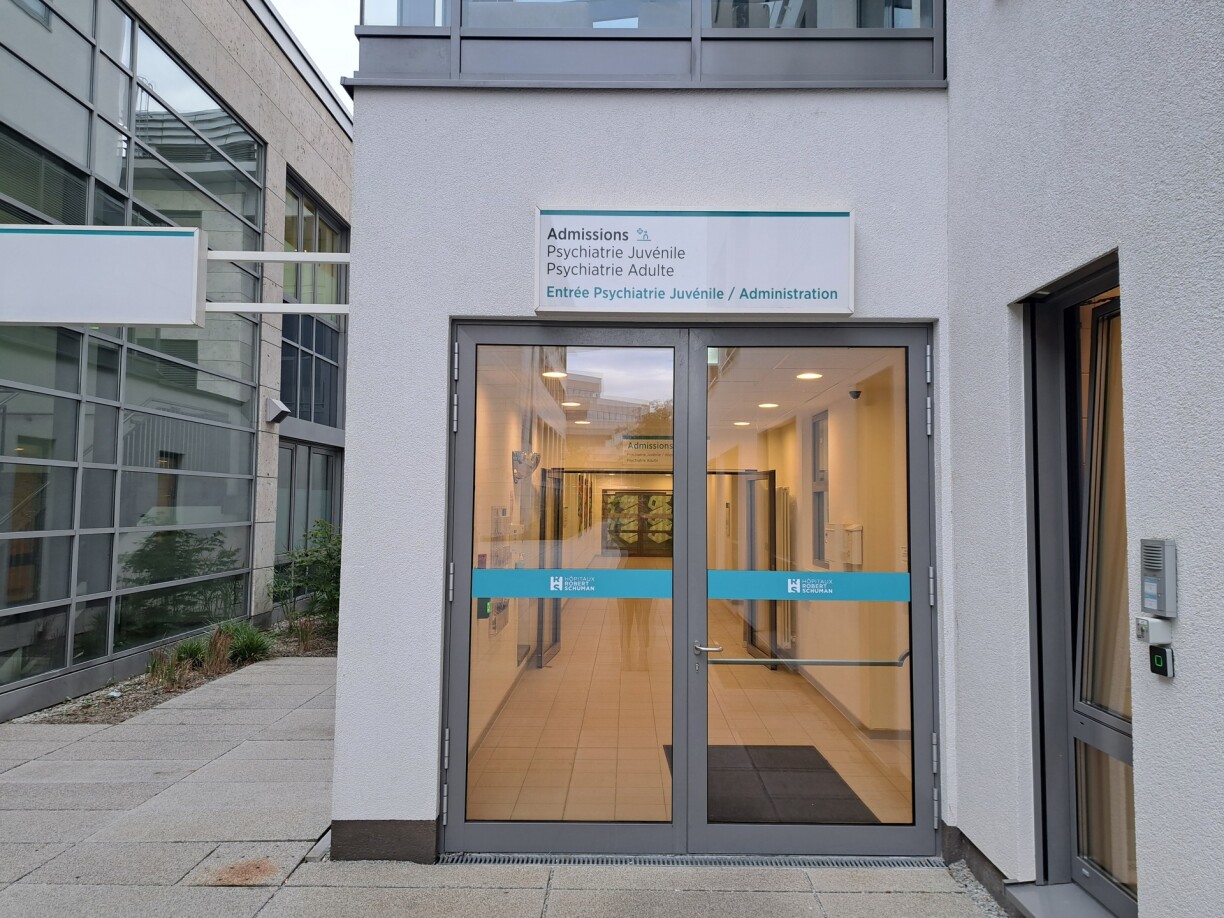
The national health ministry states that they do not have any concrete numbers on how many teenagers have died because of an eating disorder. They only register a death as being caused by an eating disorder if the person died as direct consequence of it. Dr. Salima Aarab explains that anorexia can lead to multi-organ failure, arrhythmia, sepsis or suicide.
Eating disorders are a field that has not been extensively studied yet, and finding a fitting treatment can be a challenge both for teenagers and for adults suffering from this condition.
Dr. Salima Aarab concludes that most disorders are treatable and that they can help children and teenagers to learn to deal with their conditions.





