As Prime Minister Luc Frieden announces a new approach to energy policy, defining it as "an approachable climate policy that encourages people to participate," questions about energy subsidies have arisen.
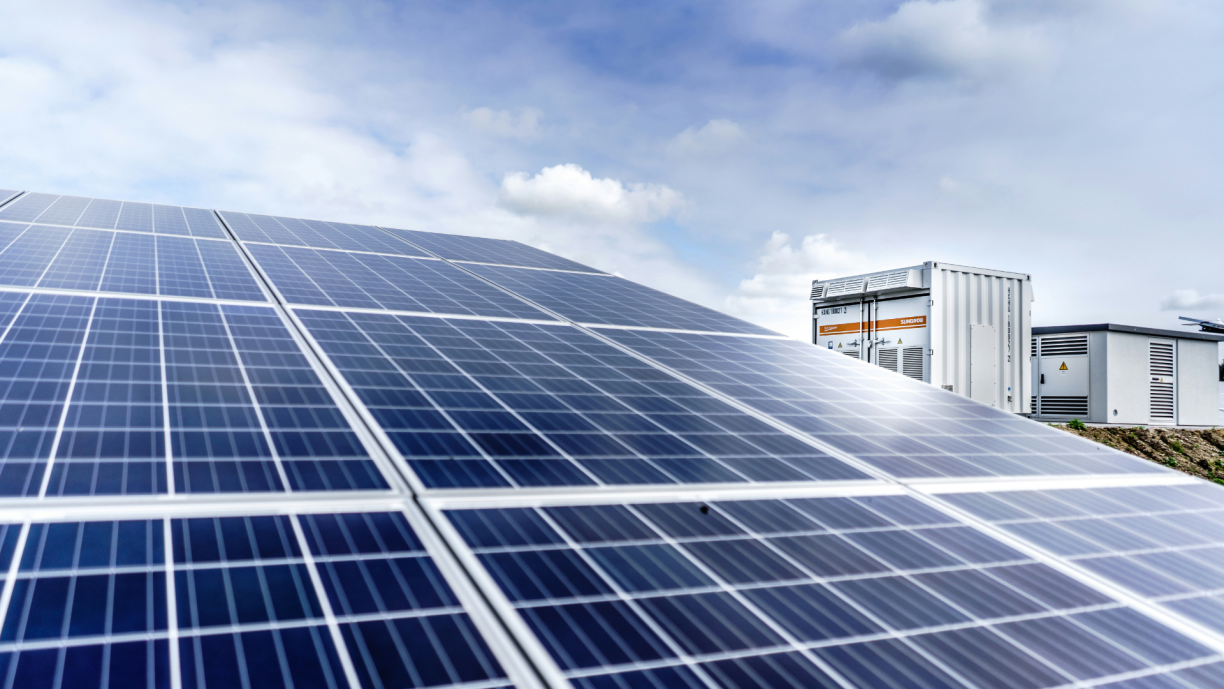
Indeed, there are no plans for additional financial assistance. The current climate bonus for photovoltaic installations, which provides up to 62.5%, will be reduced to a maximum of 50% starting 1 October this year. According to estimates from an installation company, this adjustment will increase the cost of a 20-panel solar installation by approximately €2,600.
On the one hand, Guillaume Mennesson predicts that high demand will be sustained, mostly driven by expected rises in electricity prices. On the other hand, Amine Mghari anticipates a 30% slowdown in solar energy expansion due to reduced subsidies. He argues that, at this stage, it is premature to cut the climate bonus by 12.5%, especially since it was these subsidies that initially sparked public interest in solar energy.
Frieden has also unveiled plans to streamline the process for installing solar panels. In an upcoming phase next year, pre-financing options for photovoltaic installations will be introduced, allowing individuals to pay only their share upfront. However, Mghari warns that if companies must pay the climate bonus to the government, it could present challenges. Currently, the subsidy payout process takes a minimum of a year, which poses significant liquidity challenges for smaller businesses in particular.
For energy refurbishment measures and heat pumps, the current assistance regime will continue unchanged. However, electricity prices are forecast to rise by 60% in 2025, with the government expected to cover 30% of this increase. Consequently, operating a heat pump may become less financially appealing compared to using heating oil or gas. According to Mghari, heat pumps would only remain economically viable if accompanied by a substantial number of solar panels on the roof. However, as was announced, subsidies for installing photovoltaic systems are set to decrease.
Video report in Luxembourgish:





