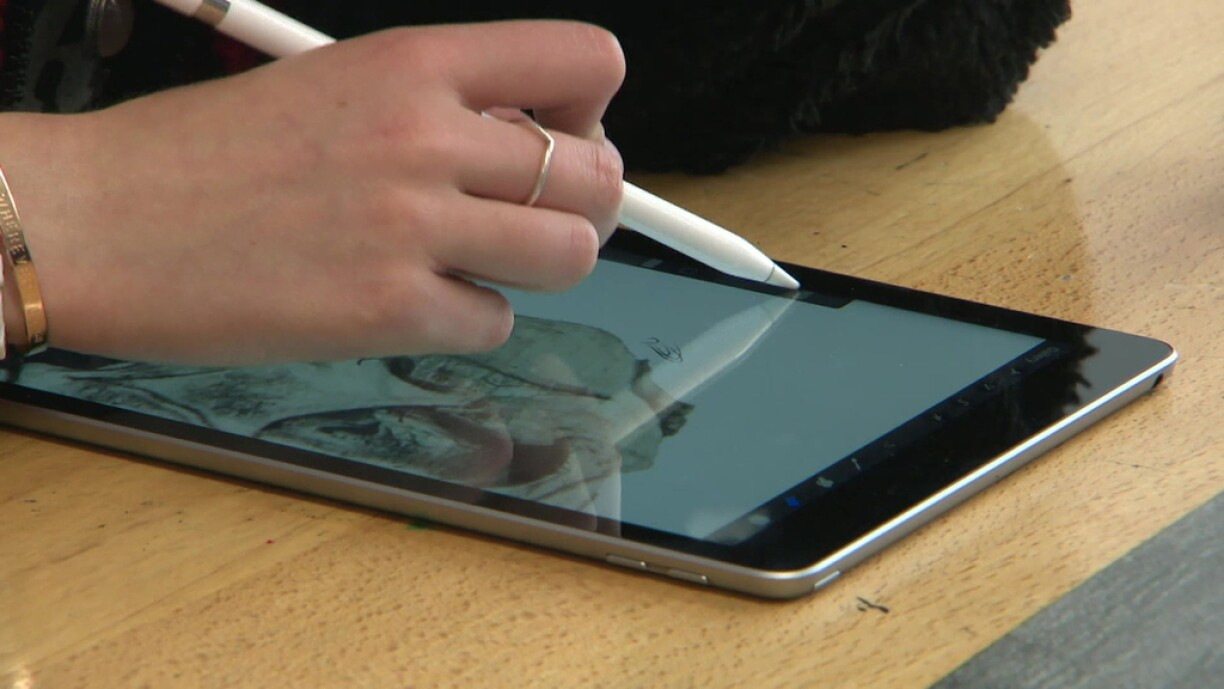
The goal is clear: in future, every pupil will be allowed to use a tablet, with 4,000 to 5,000 new iPads entering use each year.
It is not, however, simply a case of swapping exercise books for screens, said Luc Weis, director of SCRIPT, the Coordination Service for Educational and Technological Research and Innovation: the tablets are designed to complement existing lessons, adding value instead of replacing traditional methods.
On one side, there are parents who fear their children will spend more time in front of screens; on the other, a number of those in the teaching profession have to rethink their whole lesson strategy.
Despite these concerns, schools have not been able to ignore digital advances and have embraced the new technology, incorporating it into traditional settings and ensuring children are taught to use the devices in a critical manner.





