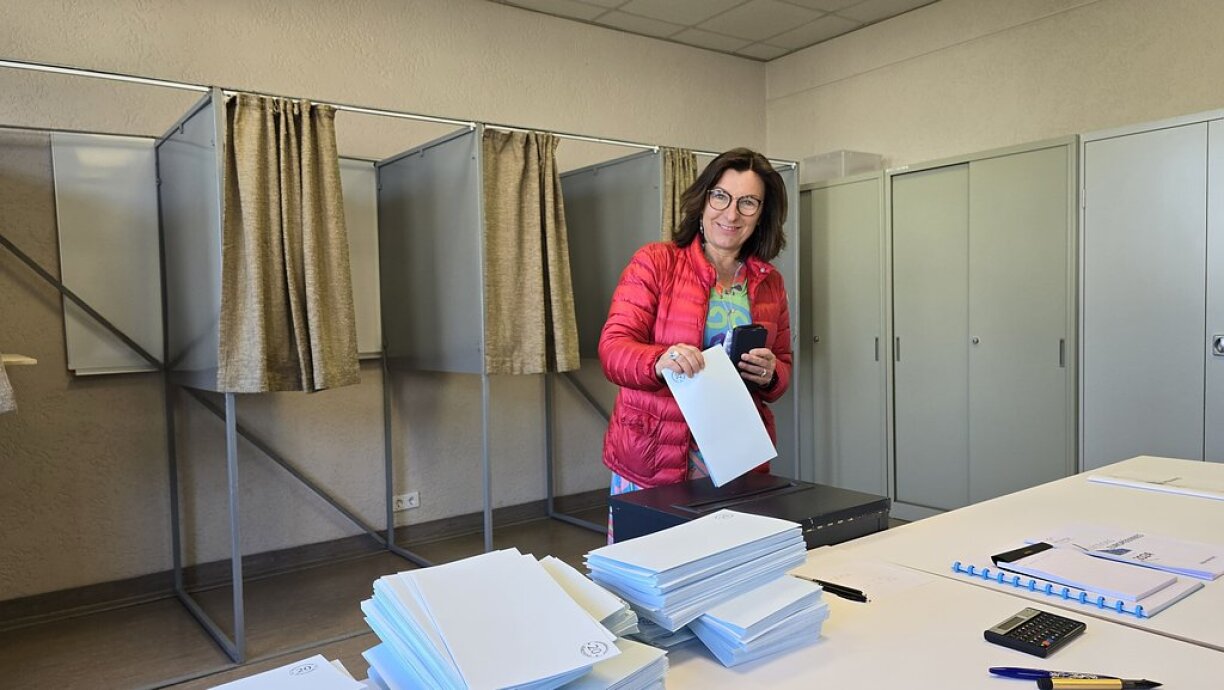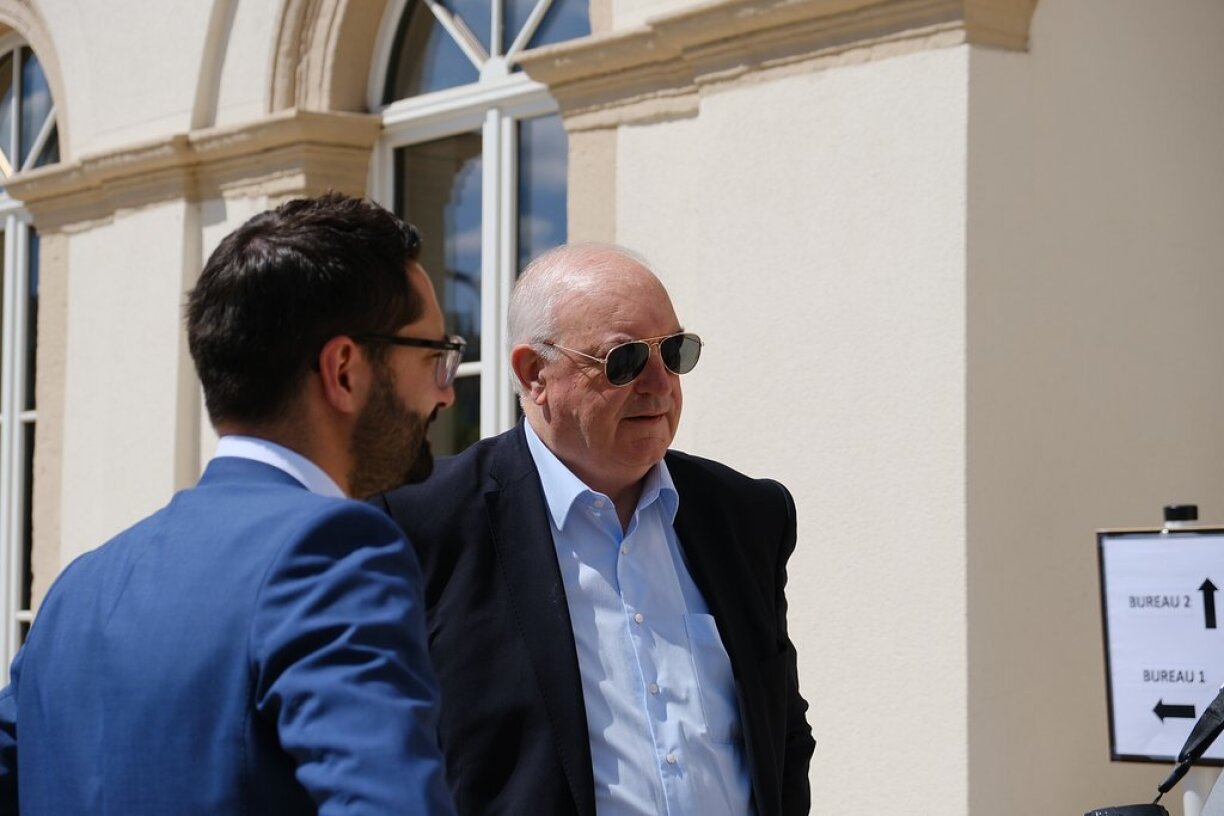
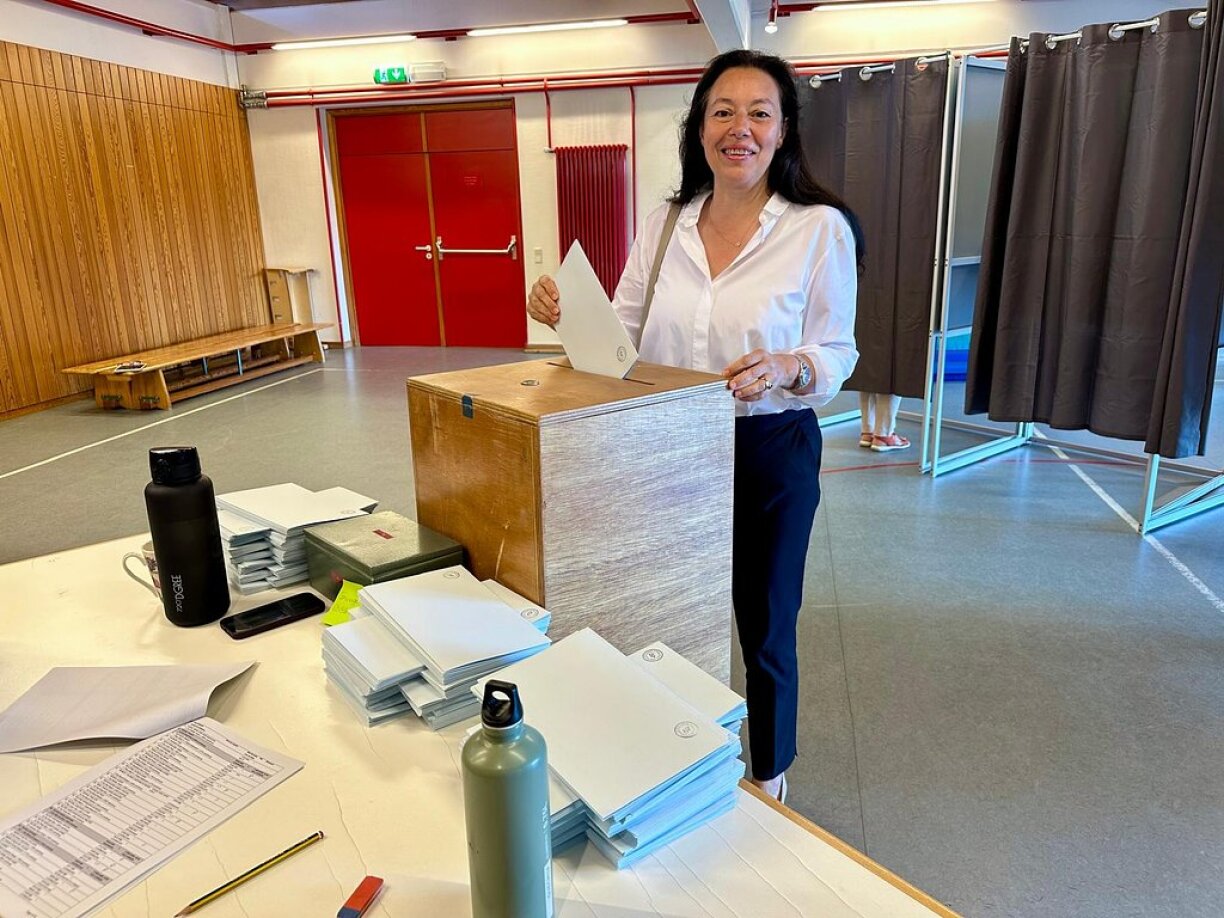
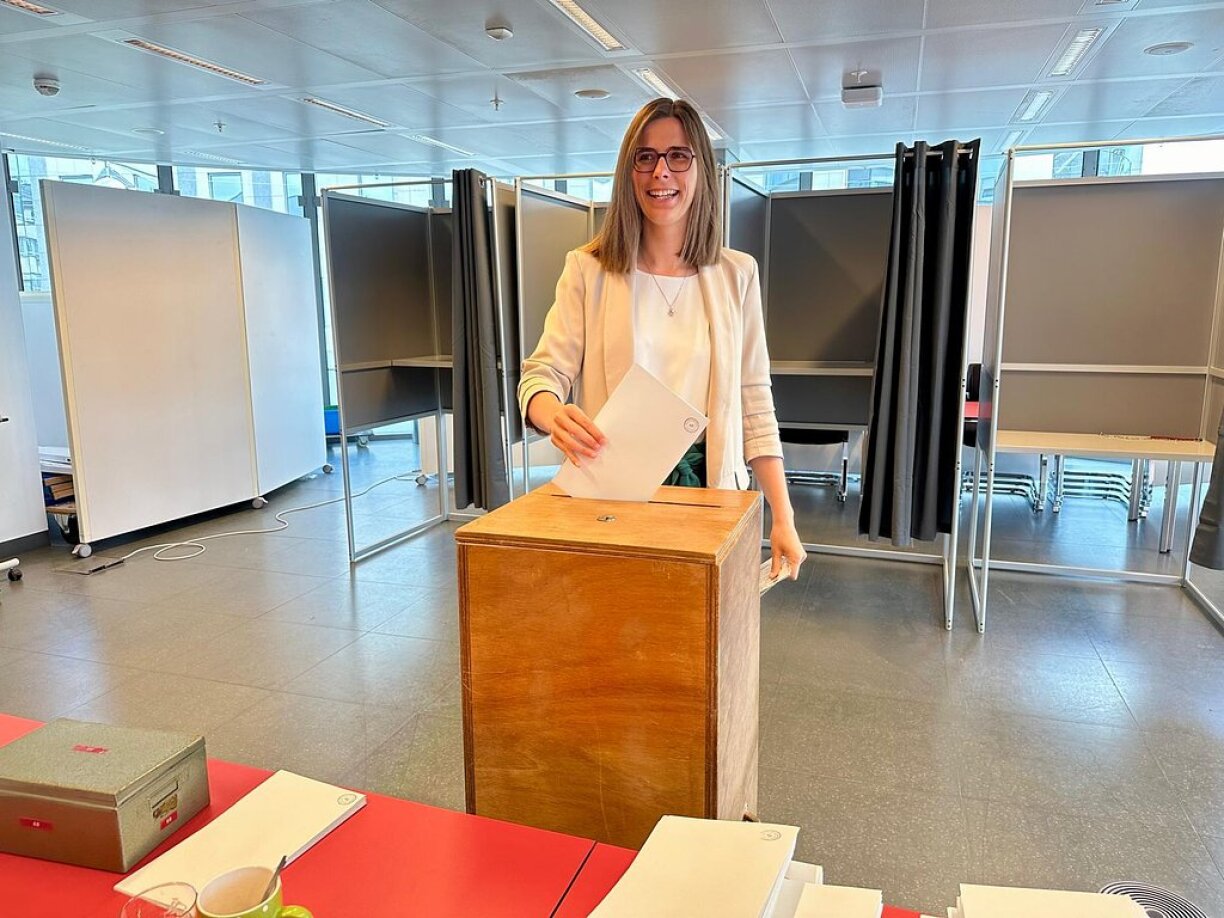
As the European elections are unfolding in the Grand Duchy, the country's major parties are focusing on significant challenges such as the war in Ukraine, the rise of rightwing extremism, and climate change, with key candidates like Isabel Wiseler-Lima, Marc Angel, and Charles Goerens leading the charge.
To get the latest takes on the expected candidate shake-up, our colleagues from RTL spoke to the six incumbent MEPs running for re-election after they cast their ballots on Sunday.
Stay updated with the latest news on the European elections in our live ticker!
Following campaigns in 2014 and 2019, it is now the third time that Isabel Wiseler-Lima of the Christian Social People's Party (CSV) is running in the European elections. In 2019, the MEP received close to 10,000 more votes than her party colleague Martine Kemp, who ascended to the European Parliament as a replacement for Christophe Hansen in October last year.
The governing party, which is this year eyeing a third seat, sees the war in Ukraine and a rise of rightwing extremism as the most significant challenges for the next five years. "It is extremely important that we defend the rule of law, freedom, and our way of life", Wiseler-Lima commented. Kemp meanwhile described European unity as the best solution to challenges such as climate change and geopolitical instability.
MEP Marc Angel of the Luxembourg Socialist Workers' Party (LSAP) expressed confidence in his return to Brussels, noting that he intends to go back as quickly as possible to cement his run for re-election as Vice-President of the European Parliament.
The LSAP, currently only represented on the European stage by Angel, hopes to gain an additional seat with what the party describes as a strong candidate list, including former ministers and MPs Mars Di Bartolomeo and Franz Fayot, as well as newcomer Liz Braz, who was first elected to the Chamber of Deputies in October last year.
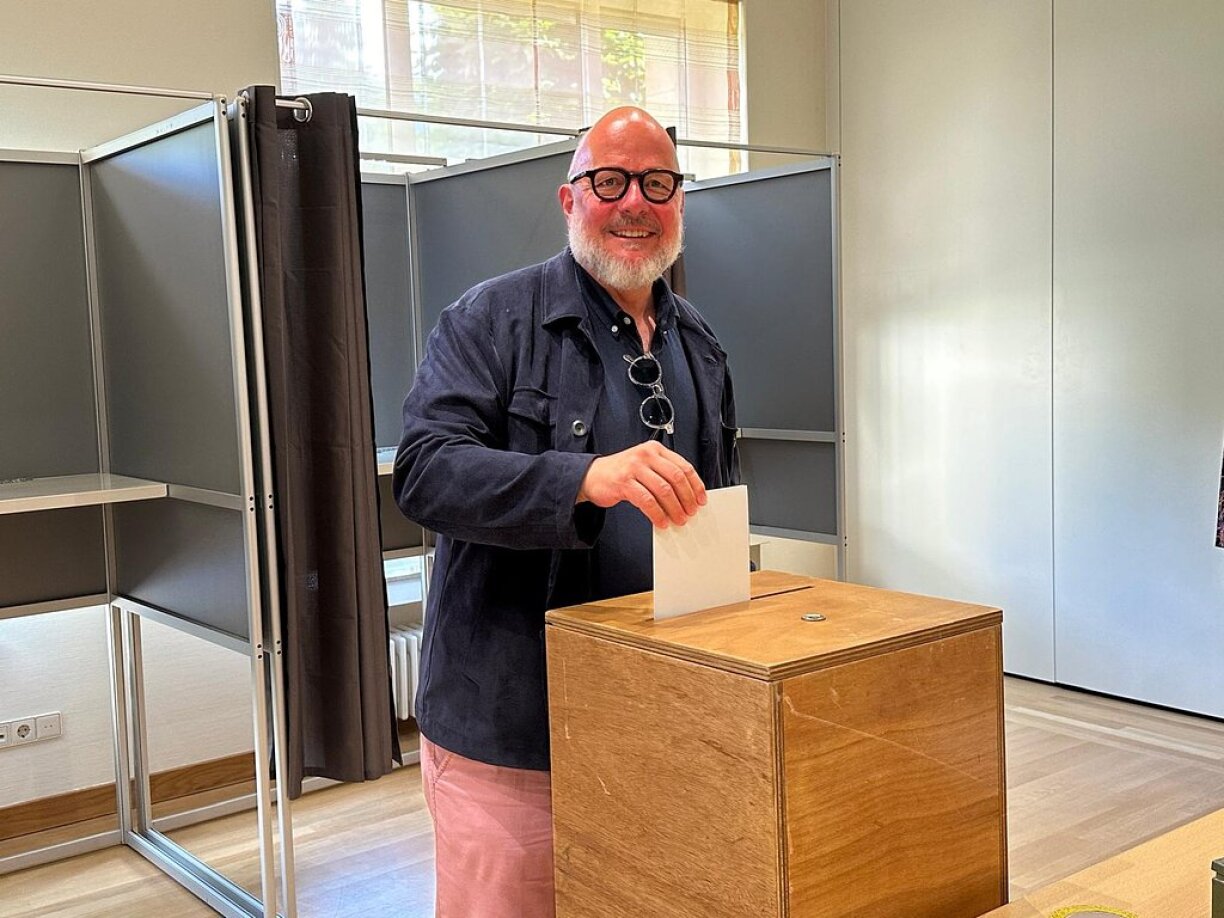
Charles Goerens, co-lead candidate of the Democratic Party (DP), is running for a tenth time in the European elections. His record leaves little doubt that he will be re-elected, with more than 100,000 votes cast in his favour in 2019 (including 75,000 personal votes). The veteran politician believes that Europe has entered a permanent state of crisis, which is why he supports a resilient and solution-oriented Union.
Speaking to RTL, the MEP further asserted that strong partnerships are indispensable: "We as the European Union risk ending up all alone in terms of security issues. And then there is the climate. There is certainly enough to not get bored." Goerens finally revealed that the different factions in the European Parliament are already scheduled to convene next week to regroup in light of the election results.
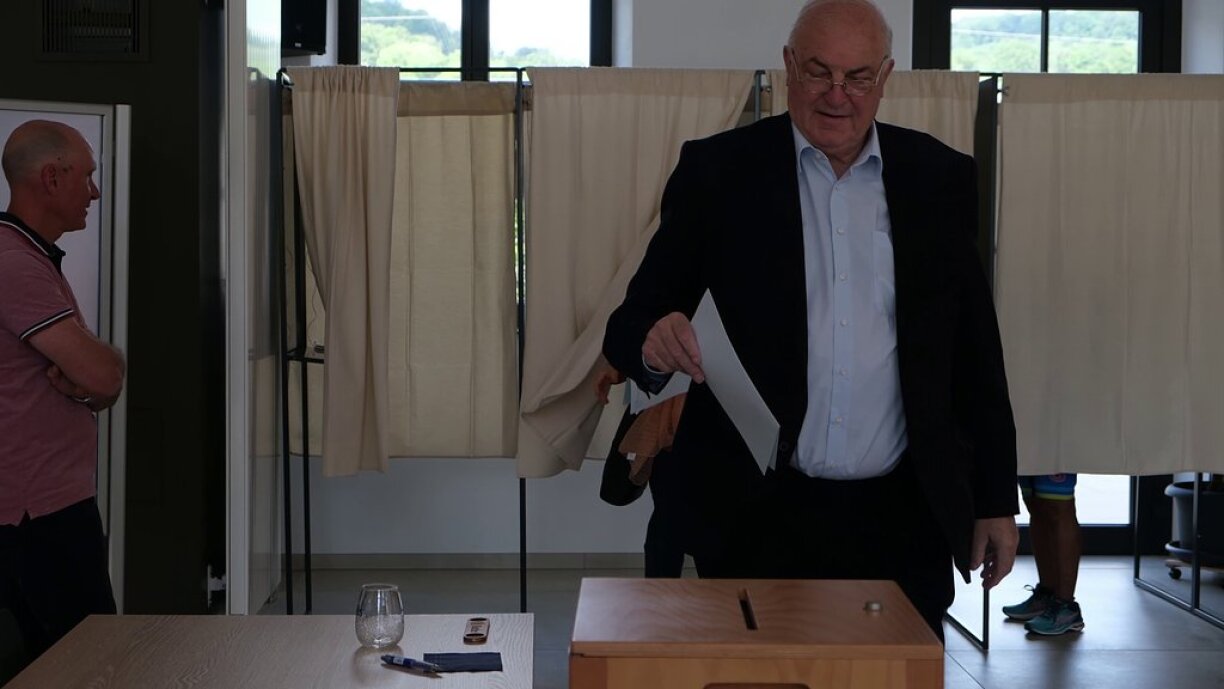
Former DP member Monica Semedo is seeking to stay in office under the banner of Fokus. Having faced multiple allegations of harassment and bullying levied against her by staff members in the past five years, the popularity of the now independent MEP suffered in recent polls, making her return to Brussels unlikely.
In conversation with RTL, Semedo also referenced the war on European soil as the central challenge ahead, alongside "the fight against climate change, which will bring about fundamental changes to our society and require active involvement. And then of course upholding democracy and protecting the rights of everyone."
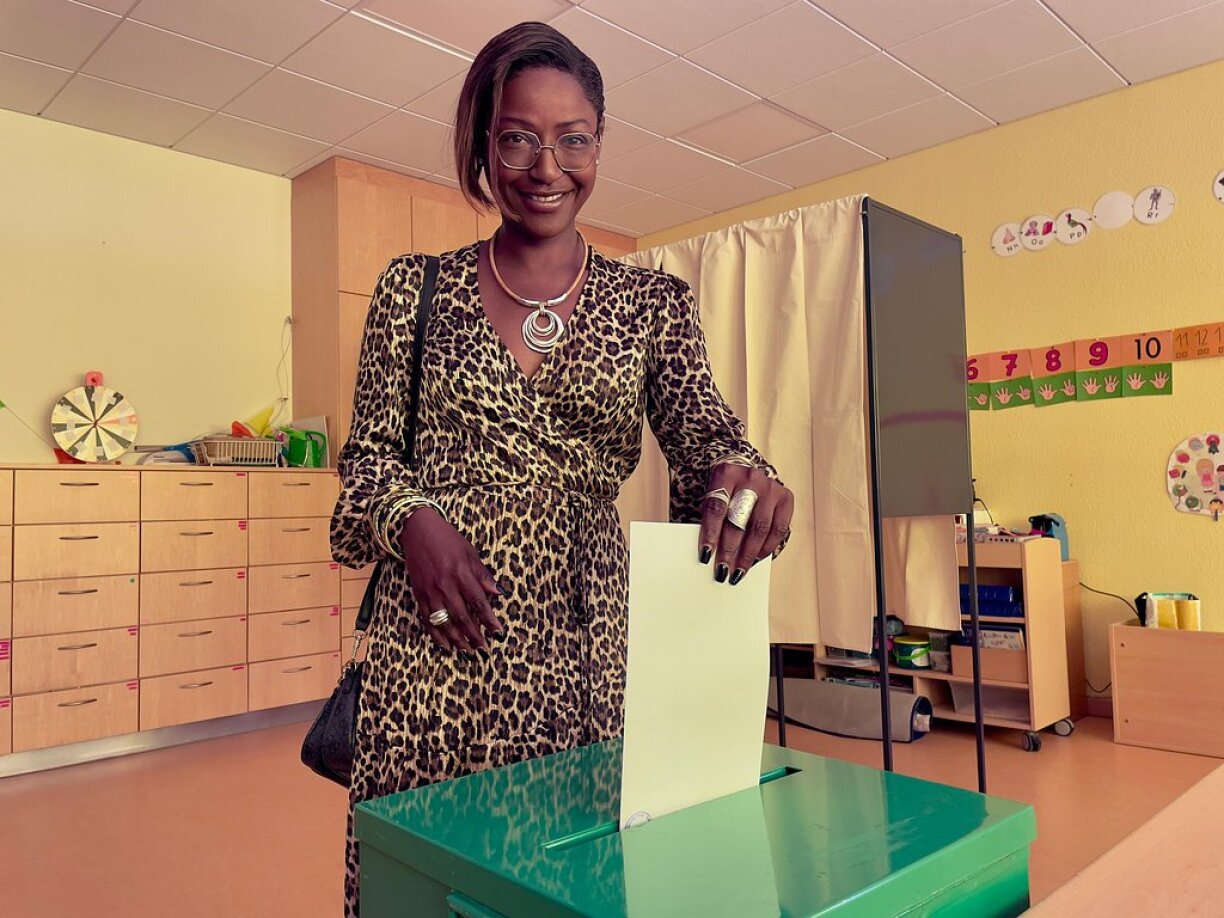
The Greens' MEP Tilly Metz is also determined to remain in office, having served in Brussels and Strasbourg for the past five years. Speaking to our RTL colleagues after casting her vote in Lamadelaine on Sunday, she showed herself confident that the party will retain their sole seat.
Metz' greatest challenger from within the ranks of the Greens is poised to be former minister and MP François Bausch, who has already vowed to take office should he get the necessary votes. Metz underlined that for her, the "most important thing is that we have a strong green voice in Europe."