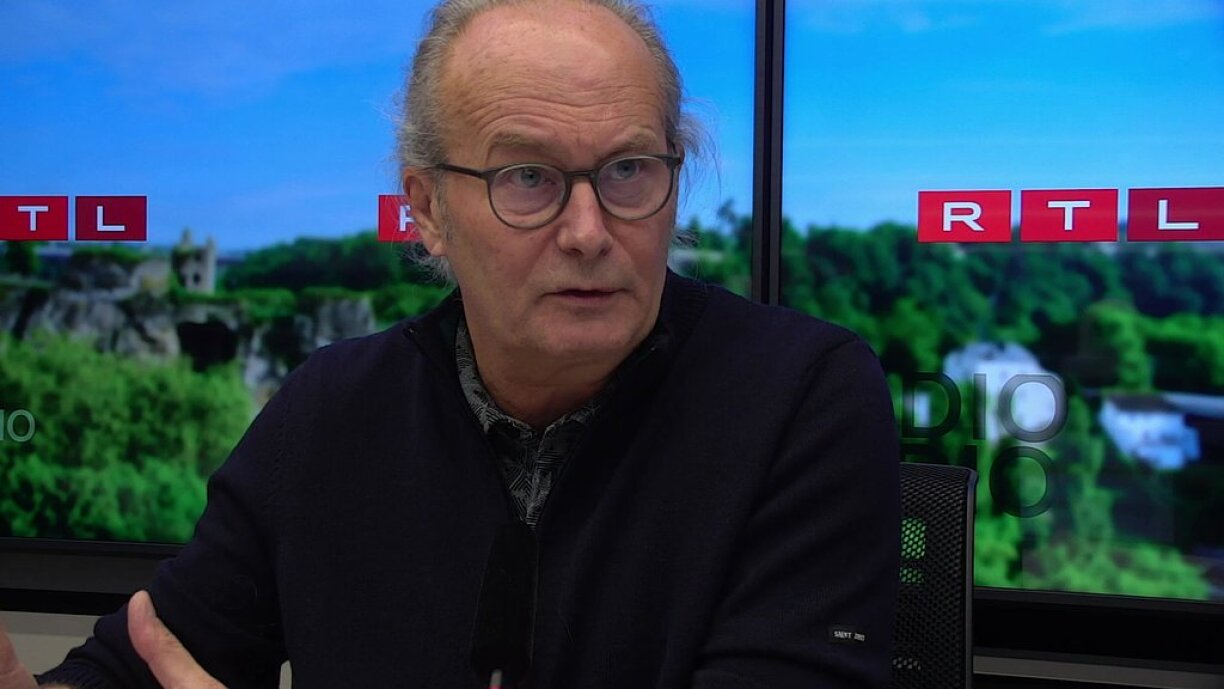
During the interview, he revealed that he will not be a candidate in the upcoming European elections.
Turmes, who faced a personal defeat alongside his party in the legislative elections, chose not to disclose his future political plans. According to him, such decisions should not be made hastily. Once the new government is sworn in, Turmes intends to take a three-month break to allow things to settle, while the electoral defeat is under scrutiny within his party.
The discussion on RTL Radio primarily focused on the state of Luxembourg's energy supply. Following last summer's energy crisis in the European Union and the Grand Duchy, Turmes had warned of the potential for a challenging winter. He now assures that Luxembourg is better prepared for the approaching season.
The European Union's dependence on Russian natural gas has significantly reduced, from 40% to just 5%. Turmes stressed that gas reserves are at 98% capacity, and consumption has already decreased by 20%, surpassing the 15% target.
However, Turmes cautioned that there is still work to be done. Meeting the consumption reduction target remains crucial this winter. The Ministry of Energy is actively preparing for the season. In the previous year, private individuals managed to reduce their energy consumption by 10%, while industry also played a significant role. In contrast, office buildings did not perform as well, prompting a focus on further reducing consumption at this level for the upcoming winter. Turmes disclosed plans for organising training courses for office building managers.
During the last tripartite meeting held in March, the outgoing government, in collaboration with social partners, undertook measures to shield households from surging energy costs. Turmes reaffirmed the government's commitment to "protect individuals from price fluctuations" by implementing price caps on electricity and gas. These protective measures have been extended until the end of 2024.
The rationale for maintaining these safeguards, even as gas prices have reverted to pre-crisis levels, hinges on the energy market's unique dynamics. Turmes explained that electricity purchases are often made several years in advance. Luxembourg's energy providers had procured electricity during a period of elevated prices. Turmes anticipates a decline in gas and electricity costs by 2025, and he acknowledges that the subsequent government will need to navigate the exit strategy from these measures while minimising the impact on the public.
Turmes underscored the importance of embracing a positive perspective on the ongoing energy transition. He expressed gratitude to the numerous individuals who have contributed to this transition, citing remarkable progress, such as the increase in photovoltaic installations from 300 to 5,000 and the rise in non-fossil fuel vehicles from 3% to 30%. In addition, Turmes contended that the government has effectively advanced Luxembourg in addressing the underlying crisis — the climate crisis. He stressed the need for the next government to continue this progress.





