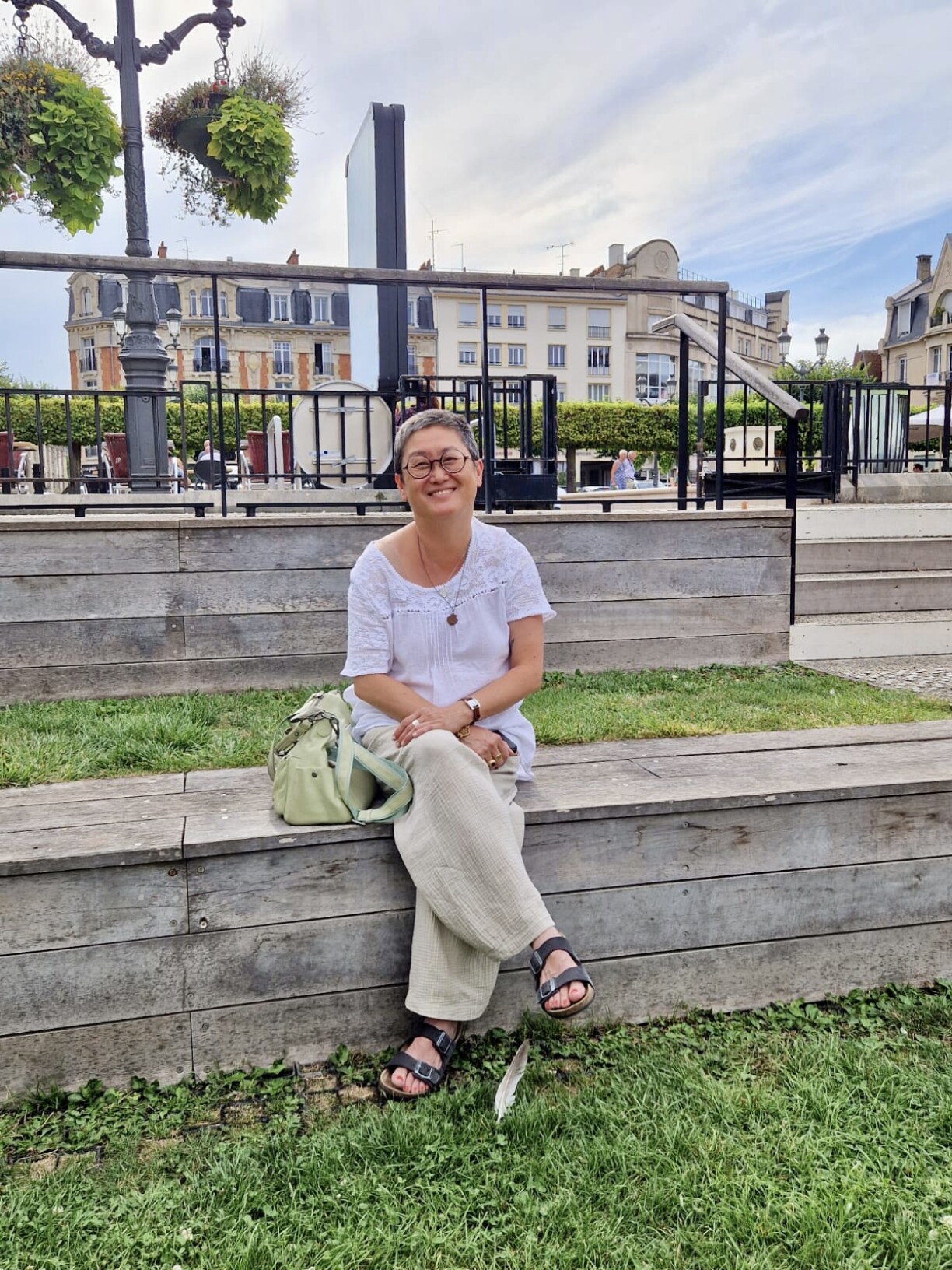
Before the interview begins, Kim Schortgen immediately lets us know, "I’m not doing this for pity". The 52-year-old wants to bring awareness to the issue and ensure people do not make the same mistakes she did. At the same time, she also wants to bring hope to those affected by cancer. There is life after cancer, even if it is not quite the same.
Before her diagnosis, Kim Schortgen was unstoppable. She was a single mother, working full-time, doing volunteer work, exercising, and frequently travelling. She also looked after her sick father and spent a great deal of time with her friends. One thing she did not do, however, was visit her doctor regularly, she viewed it as a "waste of time."
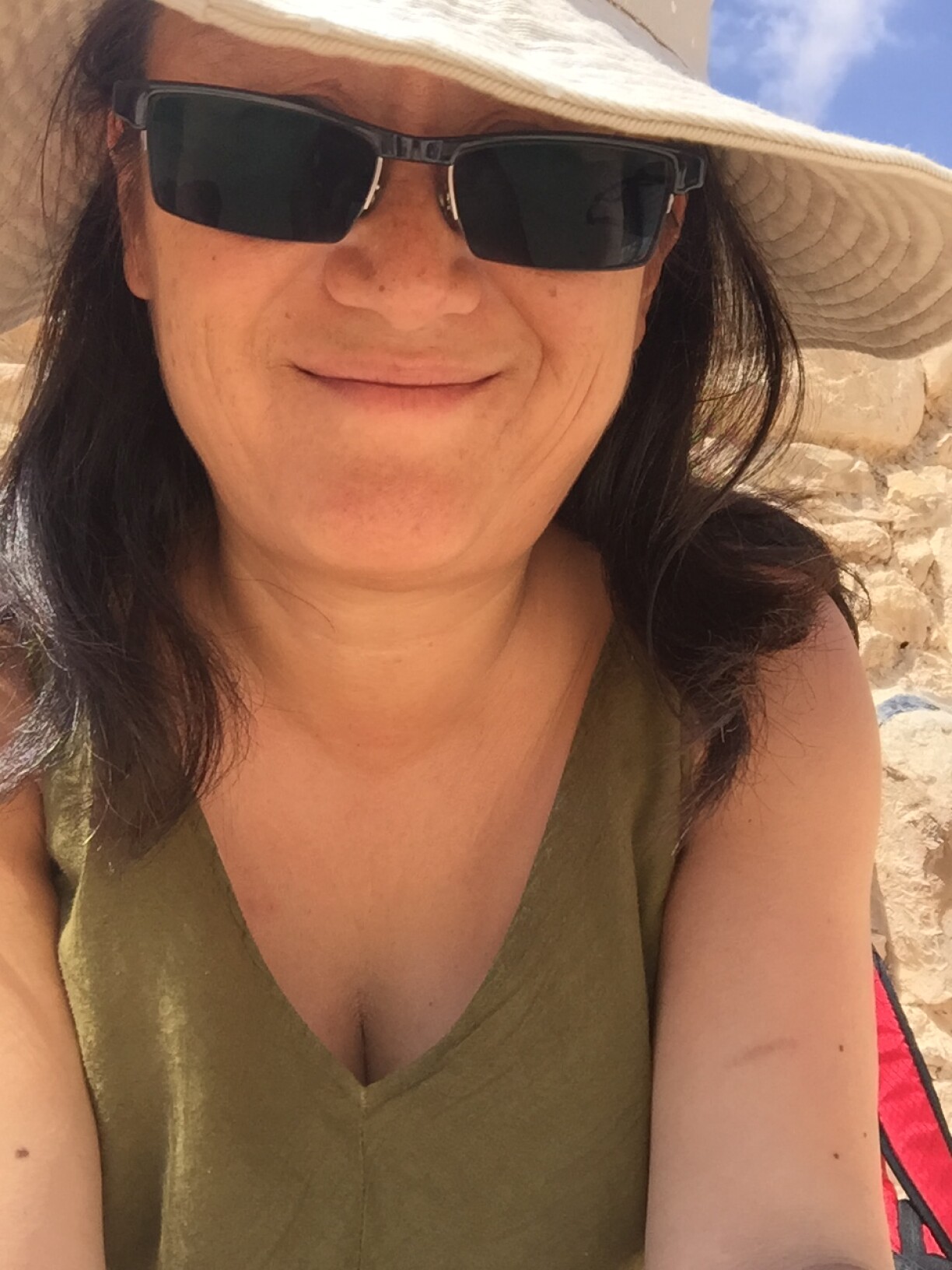
For years, her gynaecologist had been asking her to do a mammography. Kim Schortgen is adopted and thus has no information about her medical history. In 2021, she turned 50 and received an invitation to participate in the health ministry's breast cancer screening programme. She looked at the invitation and thought to herself: "I live in a country where mammographies are free, I live in a country that cares. I am going to do this now." This decision ultimately saved her life.
Kim is one of 2,900 women who were diagnosed with breast cancer as part of Luxembourg's breast cancer screening program. Initially, only micro-calcifications were detected in her breast tissue, necessitating their removal. A few weeks prior, her gynaecologist was unable to detect anything in her breasts.
But as her operation neared, her doctors became increasingly worried. Suddenly they were talking about the prospect of a mastectomy. Ultimately, one of her breasts was removed during the operation. Following further analysis, they discovered Schortgen was unknowingly suffering from an aggressive form of cancer with the potential to spread very quickly.
For Kim Schortgen, this marked the end of her familiar life. Amid the COVID-19 pandemic, she found herself in the high-risk category. Thankfully the cancer had not taken hold, but in order to keep it this way she had to undergo chemotherapy and an immunotherapy. She remembers having a rough New Year's Eve that year. "You go through a lot of feelings, from anger to desperation. I spent a lot of time at home fighting with the world and fighting with myself."
All at once she lost a lot of the energy she once had. Suddenly, she lost much of her previous vitality. Instead of going to work or doing volunteer activities, she had to undergo chemotherapy every Friday morning. "At the beginning you spend a lot of time sitting at home and pitying yourself. I had to adjust to this new rhythm."
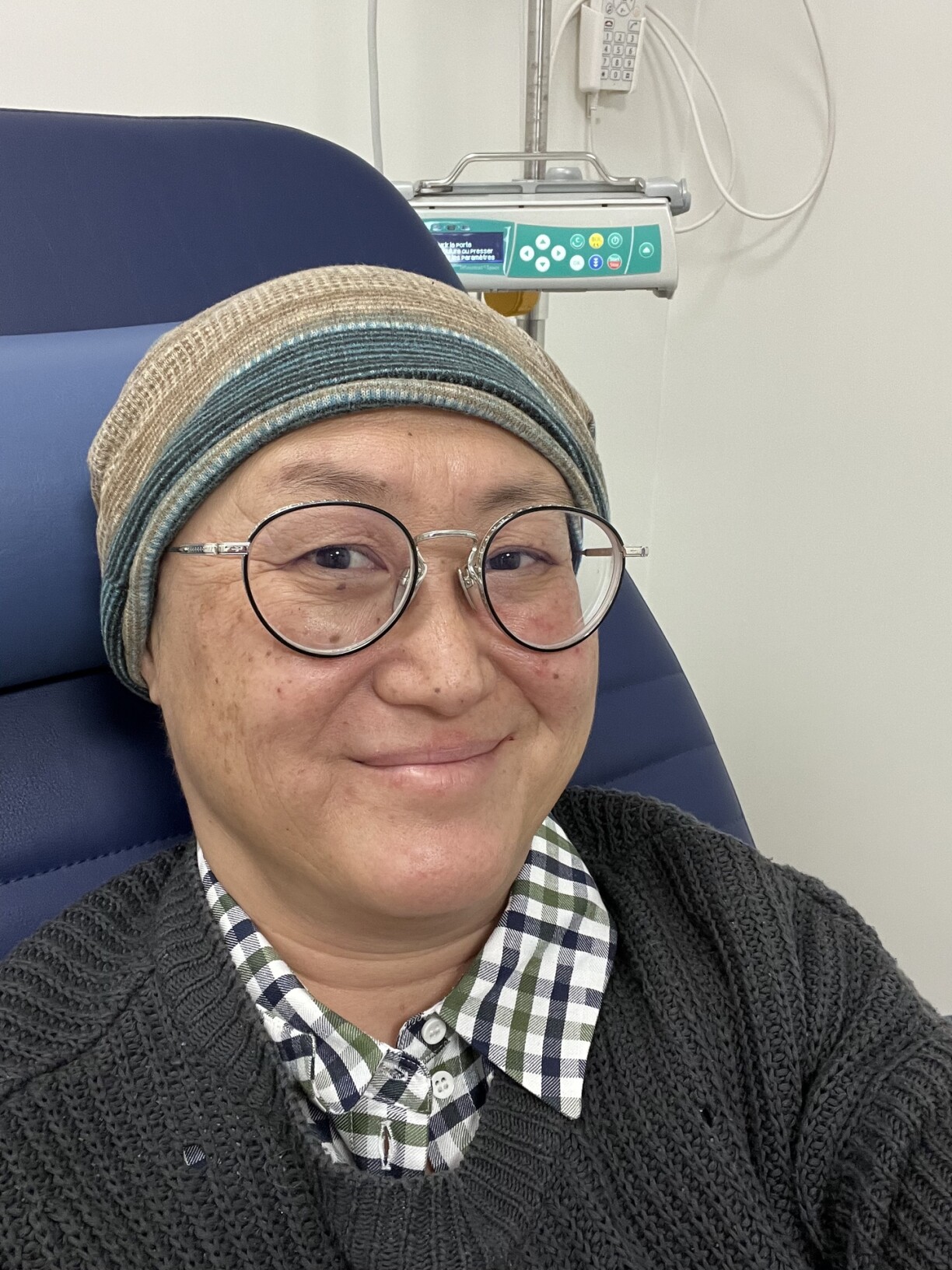
Her illness not only altered her daily routines but also her appearance. "I had one of my breasts removed, and I could rationalise that. I told myself that it was better to live with just one breast, than to be buried with two. But losing my hair was hard." She had cut her hair short before starting chemotherapy, but when it began falling out on its own, it was emotionally difficult.
Throughout her therapies, Kim Schortgen kept telling herself that once they were over, she could return to her old life. While she began feeling better shortly after her last chemotherapy session and even resumed part-time work before the end of her sick leave, she soon realized that life wouldn't be the same.
Now, she understands that she can't go back to her old life. "I’m trying to grieve that. Some parts of my old life are still here and have been amplified, other parts of my life I left behind. I’m not the same person I used to be."
Despite these changes arising from a challenging life passage, she has found many positives in them. She says that a lot of new doors opened for her once she was able to let go of her old ways. "I also learned to be kinder to myself."
She found support from both her family and friends, and connecting with other cancer patients also played a crucial role. She observed that many people struggle with discussing cancer. "Death and cancer are taboos. Not everyone knows how to deal with these topics." Additionally, many individuals fail to comprehend that even after her sick leave ended, she continues to grapple with the after-effects of chemotherapy.
According to Schortgen, if there's one key takeaway from this interview, it should be the significance of attending cancer screenings. “You owe it to yourself, to your friends and to your family.”





