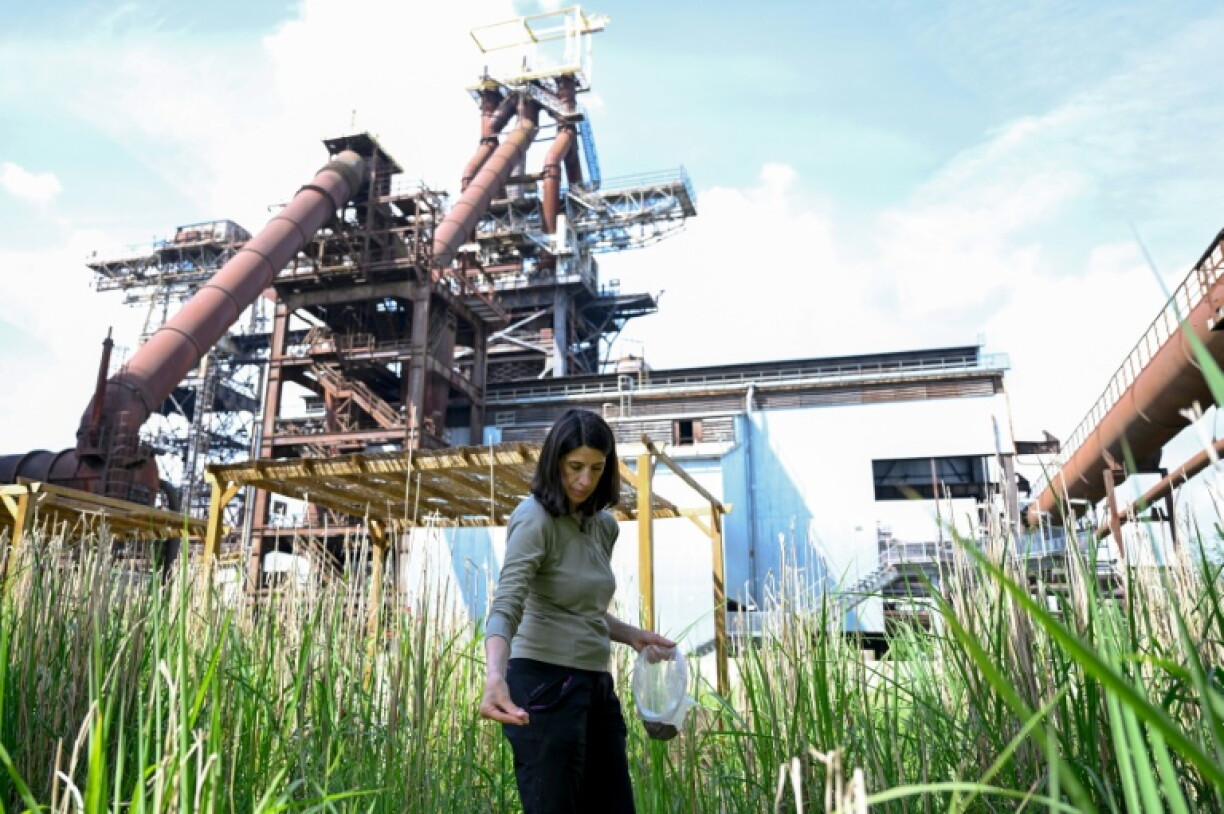
On the grounds of Uckange’s abandoned steelworks, just outside Thionville, islands of green are sprouting among the concrete and rusted metal. These are not decorative plants: they are part of an experiment to naturally clean up soil polluted with hydrocarbons and heavy metals. Leading the project is Sonia Henry, a lecturer at the University of Lorraine’s institute of technology, who carefully sows seeds in what she calls a transformation garden.
The main species under trial is Miscanthus x Giganteus, known for its ability to thrive on industrial wastelands tainted by contaminants. Henry explains that they are using this plant as part of soil decontamination efforts, targeting organic pollutants present in the ground. Also called elephant grass, Miscanthus stimulates microorganisms around its roots. These microbes help to lock metals in place, reducing their spread and aiding their breakdown by changing soil chemistry, including pH or chemical form, thereby encouraging removal of pollutants from the soil.
Since 2022, Uckange’s former ironworks have served as an open-air laboratory for phytoremediation; a process that uses plants to absorb, stabilise, or break down pollutants. The initiative, led by the Val de Fensch urban community with the University of Lorraine and the National Research Institute for Agriculture, Food, and the Environment (INRAE), aims to find greener alternatives to excavation or chemical treatment, which can be costly and invasive.
What makes this pilot project unique is its use of plant associations. She explains that they are working with combinations of different plant species. In addition to Miscanthus, another plant, whose name is being kept confidential for now, has been introduced to specifically target metallic pollutants, especially zinc. Their goal is to find the right combinations and complementarities, so they can speed up decontamination and tackle multiple pollutants at once.
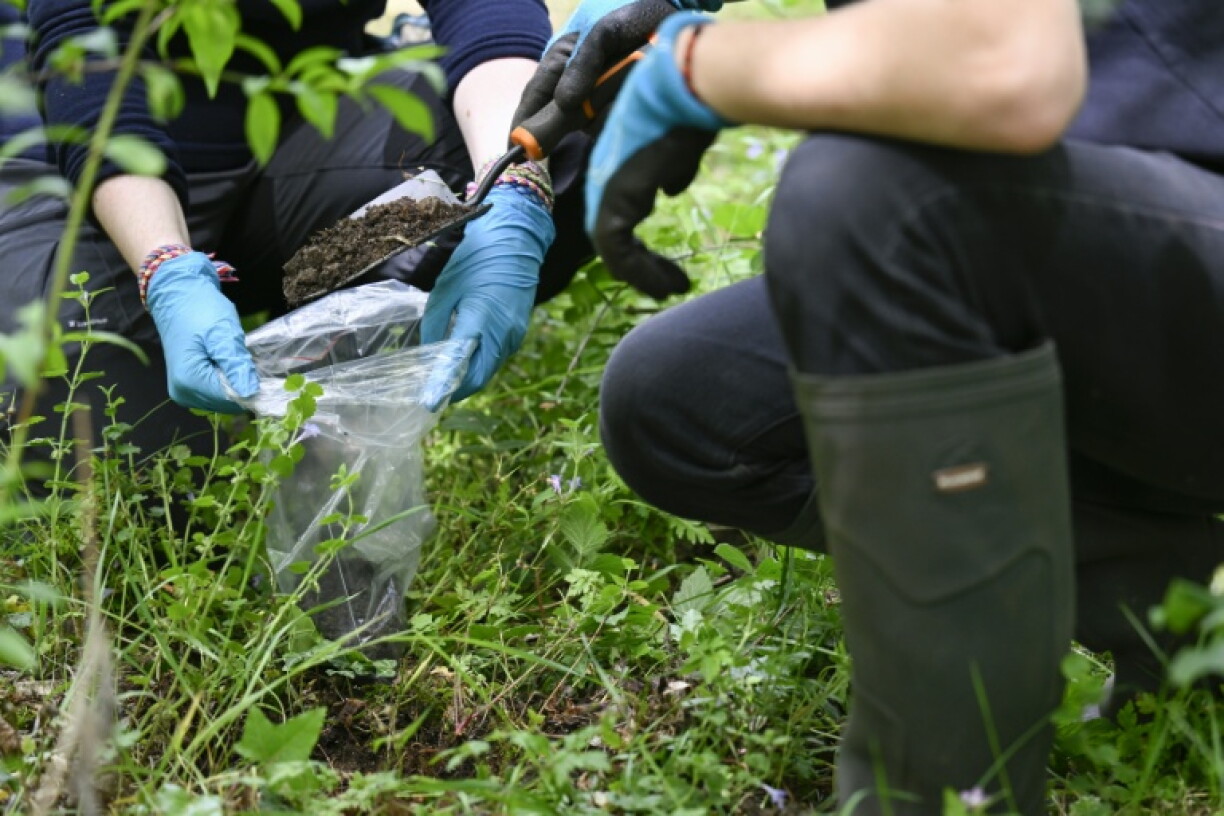
This second species takes up metals from the soil and accumulates them in its above-ground parts. The contaminated plant matter, which remains contained and does not spread pollution into the air, will later be harvested so that another team of scientists can extract and potentially reuse the recovered metals. Uckange’s soils are contaminated with both organic pollutants, such as hydrocarbons, and mineral pollutants, including nickel, chromium, zinc, and copper, which are unevenly distributed across the site.
Henry explains that with the right plants, this method can be extremely effective, as it allows them to deal with several pollutants at once, something that is not always possible with physical or chemical methods.
But how effective is phytoremediation in the long run? While it is still early days, initial results are promising. Henry says that this is their second year of experimentation after the first year revealed some clearly positive signs of decontamination. She adds that more time is needed to assess the long-term impact and to estimate how long it will take to fully clean up the test plot.
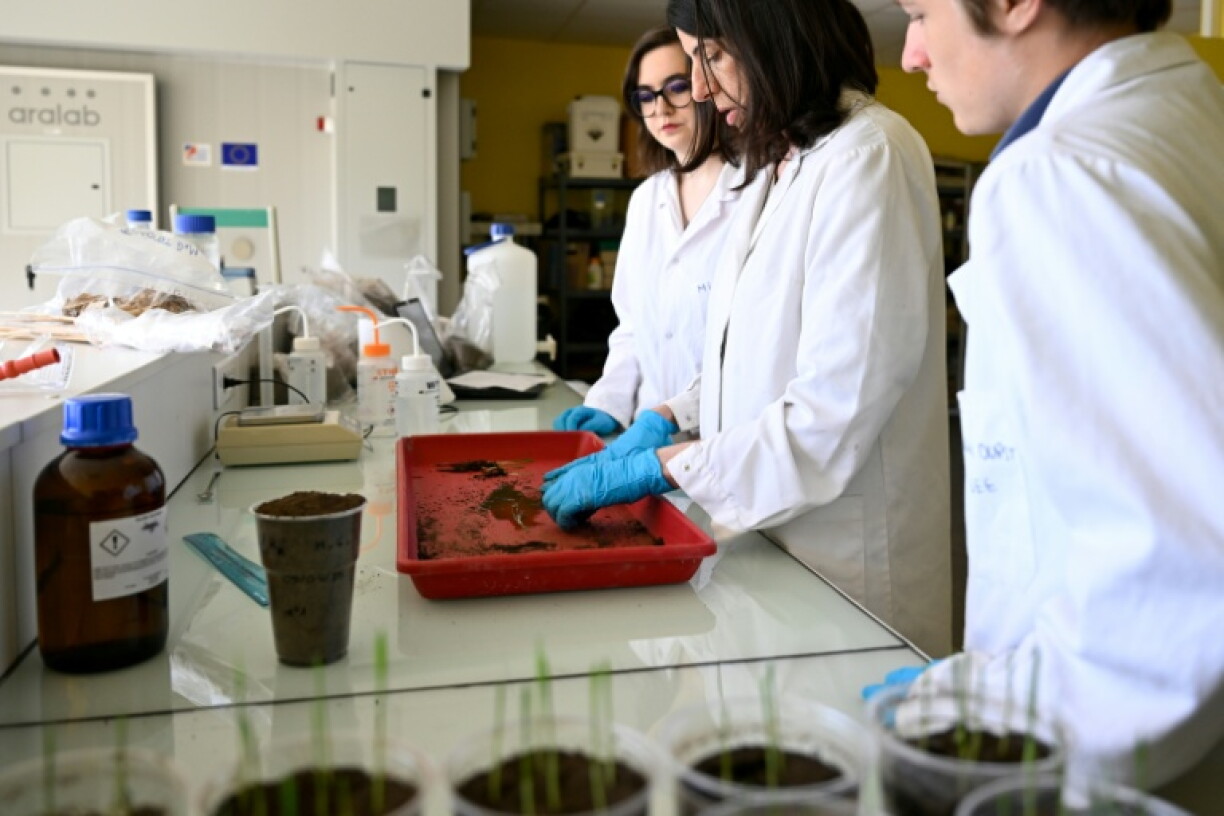
The pace of decontamination, Ms Henry notes, depends on pollutant concentrations, the variety of substances present, and their bioavailability, that is, how easily plant roots or microbes can access them. She explains that sometimes, pollutants are so strongly bound to soil particles that they do not interact with plant roots or microorganisms, which makes the process less effective.
The Uckange experiment aims to determine whether results observed in the lab can be replicated on a larger scale in the field. Ultimately, researchers hope to model the process so it can be exported to other contaminated industrial sites.





