In many cases, local resources are not sufficient to combat the blazes currently ravaging parts of Greece, Italy, France, Portugal and Croatia. Emergency services in these countries become hugely dependent on inter-regional, and even international, support in such times of crisis.
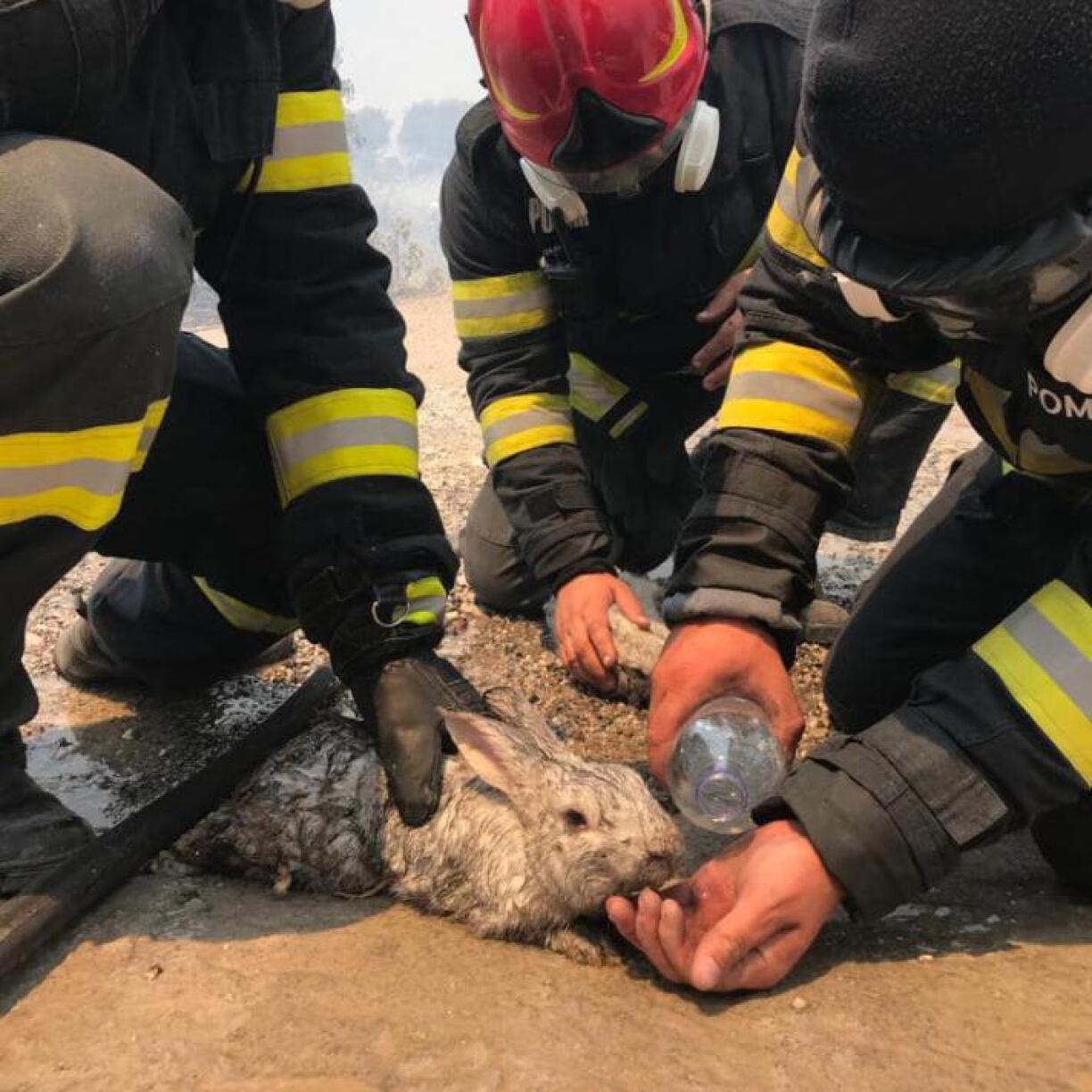
In Greece, for example, where forest fires have ravaged the islands of Rhodes, Corfu and Evia, as well as the mainland, Greek firefighters have received support from colleagues in Bulgaria, Malta and Romania, since triggering the EU Civil Protection Mechanism on 18 July.
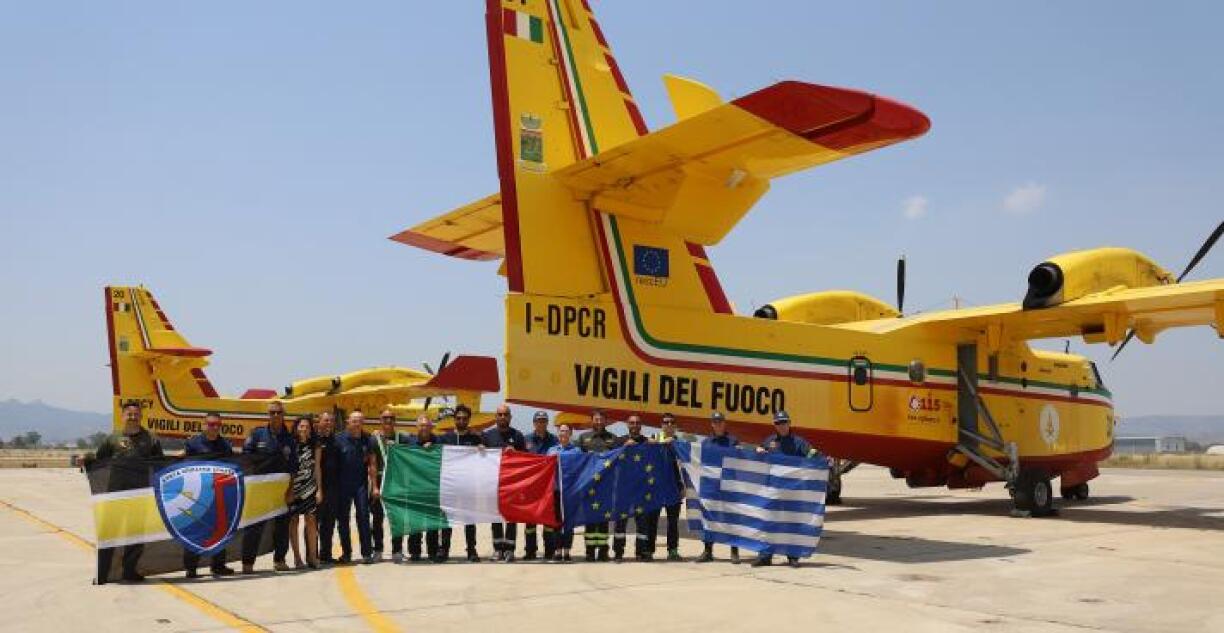
Thanks to the protection mechanism, Greece can count on further aid and equipment from other EU countries. Seven firefighting planes and more than 50 firefighters specialising in airborne extinguishing manoeuvres have travelled to the affected areas from Italy, France, Croatia and Cyprus. More than 360 fire engines and special vehicles were despatched from Poland, Slovakia, Romania, Bulgaria and Serbia.
Luxembourg has currently not been deployed in the efforts against the wildfires - primarily because the Grand Duchy is not specialised in handling wildfires at European level, and does not possess any firefighting aircraft.
However, each member state reports their own specialisations to the protection mechanism. In Luxembourg's case, these specialisations include communication and dealing with flooding. When a country triggers the EU civil protection mechanism, the countries are called upon depending what specialisation module they have entered into the system, says Cédric Gantzer of the CGDIS.
Luxembourg does not have a forest fire module and is therefore only asked to step in if communication and coordination are required, or if there is a heavy flood. However, Luxembourg can count on the help of other member states if the country had to trigger the protection mechanism due to large forest fires, because it would require firefighting aircraft from external sources, for example.
The Grand Ducal Fire and Rescue Corps' Humanitarian Intervention Team (HIT) is often deployed abroad when the situation calls for re-establishing communication channels and managing coordination.
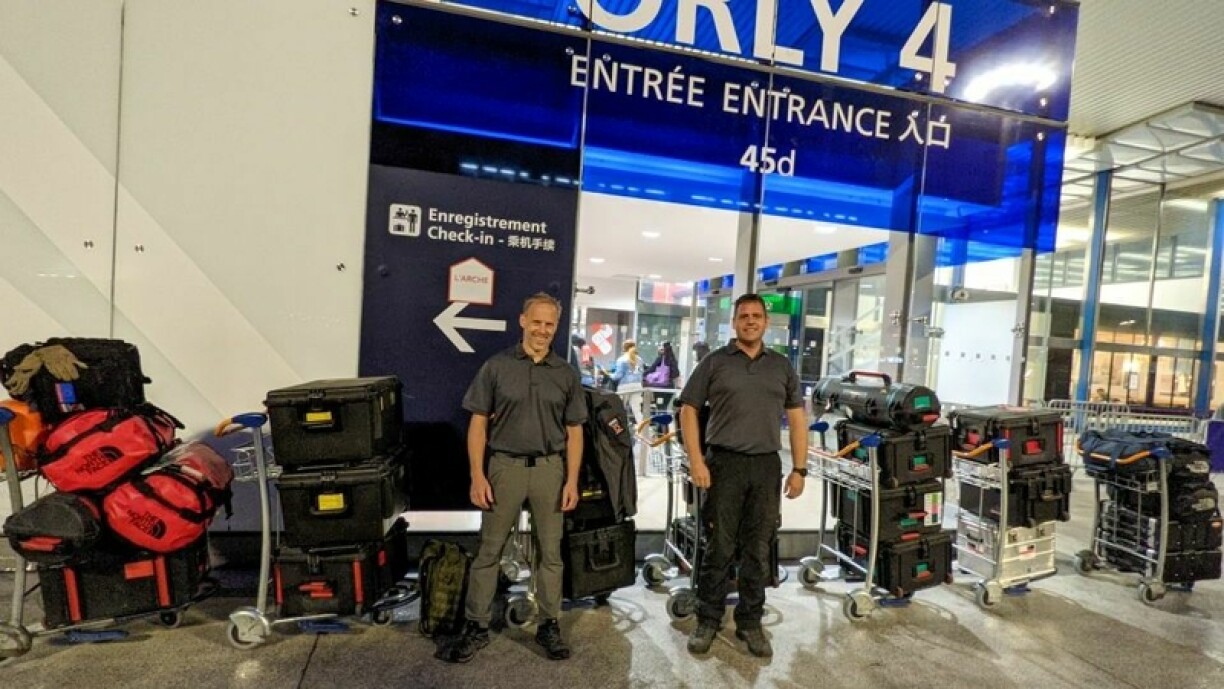
In 2021, two specialists were dispatched to Haiti following a severe earthquake, with three "Emergency.lu" satellite communications systems as part of the protection mechanism. Through their intervention, telecommunications were re-established in Haiti, allowing humanitarian organisations to coordinate their efforts. Similar interventions took place in 2019 following a hurricane in the Bahamas and after a cyclone ravaged Mozambique.
Luxembourg was also involved in handling severe flooding in Bosnia in 2014, sending 23 divers and five boats to the affected region.
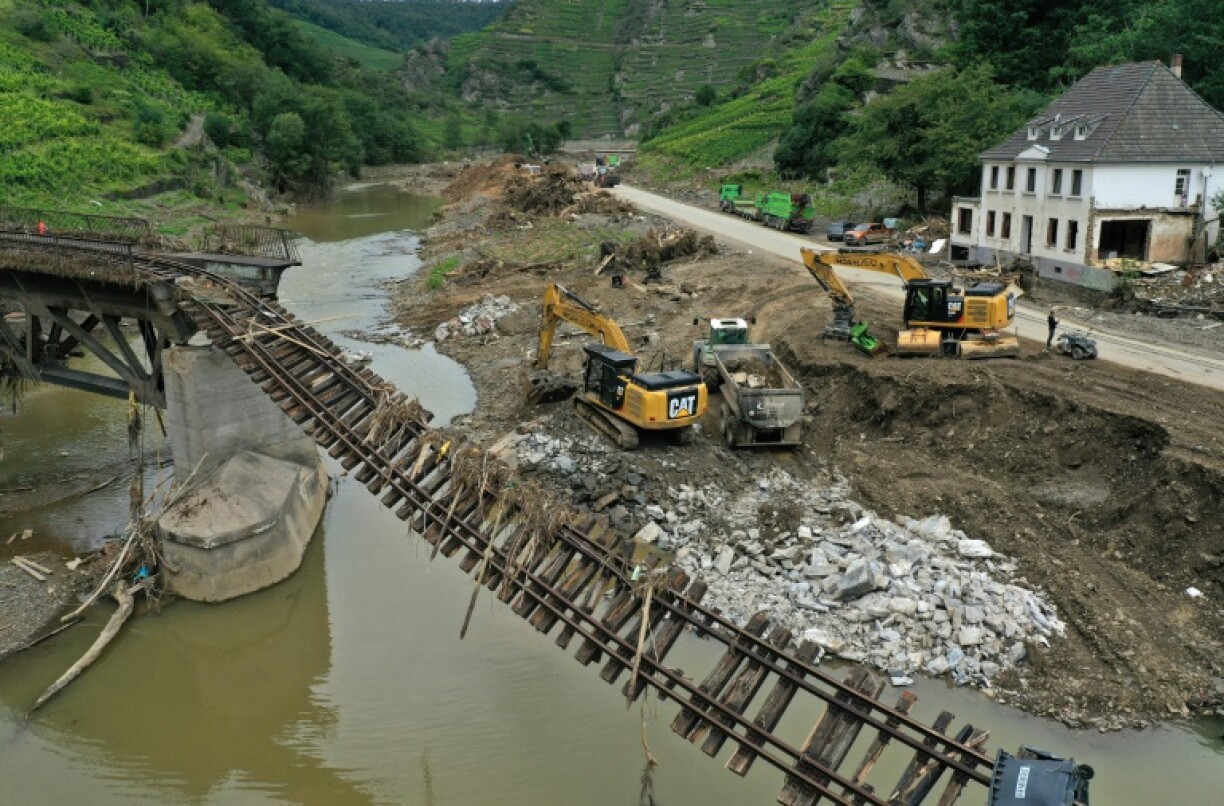
In July 2021, Luxembourg's support during the historic floods affecting the Ahr Valley in Germany was not part of the EU civil protection mechanism, but instead was triggered through a bilateral agreement in the event of a disaster. Three teams of 25 people, made up of members of the fire brigade, the army and the Red Cross, were sent to the region with 12 emergency vehicles on the third day after the disaster.