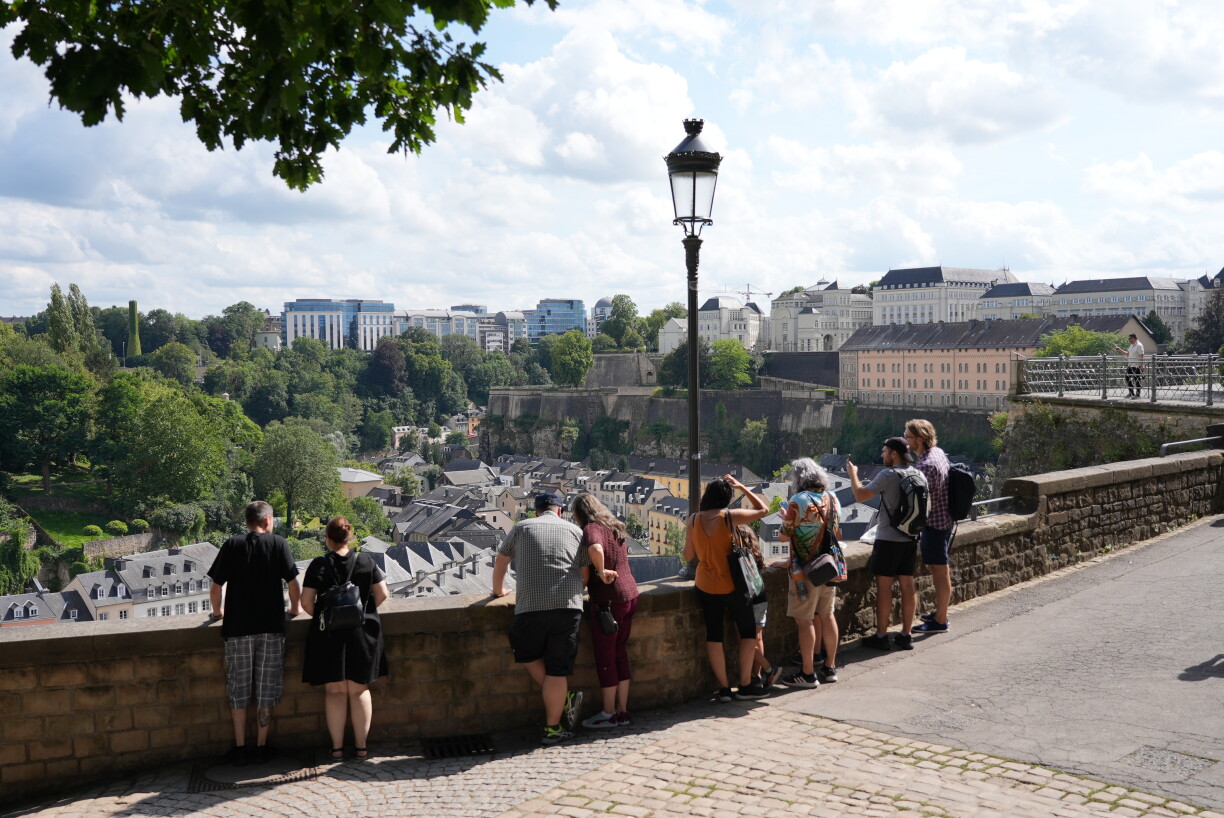
National and international figures from the tourism industry gathered at Cercle Cité in Luxembourg City, on the invitation of the Luxembourg City Tourist Office, to exchange ideas and strategies about the future of urban tourism.
Representatives from popular European destinations such as Oslo, Tallinn, and Nantes shared their experiences and perspectives at the event. Xavier Theret, who is responsible for promoting Nantes, explained how the French industrial city reinvented itself as a sought-after tourist destination over the years.
He noted: "We started with culture. Culture generated interest, which brought in visitors. At first, we did things primarily for the people of Nantes, but soon the French media began talking about the city, and that’s when tourists started arriving."
This approach of focusing on cultural initiatives resonated strongly with attendees, including Luxembourg's Minister for Culture and Delegate Minister for Tourism, Eric Thill. He emphasised that the interplay between culture and tourism is something both Luxembourg City and the Grand Duchy as a whole could and should draw inspiration from.
Thill highlighted the importance of bringing culture into public spaces and creating opportunities that benefit not only tourists but also local residents, thereby improving overall quality of life and strengthening the sense of community.
Antje Voss, director of the Luxembourg City Tourist Office, is convinced that Luxembourg City already offers much in terms of quality of life and cultural experiences. She pointed to the city's museums, festivals, and events, many of which are free, as unique advantages.
"We also have plenty of green spaces and parks, which really enhance the quality of life. What's more, the city is compact and can easily be explored on foot, and public transport is free. Many visitors comment on these strengths", she said.
Thea Gunnes from Visit Oslo echoed these sentiments, recommending that smaller cities highlight their unique features. She observed several similarities between Luxembourg and the Norwegian capital, noting that being a smaller city offers many advantages.
"In Oslo, you can reach almost everywhere on foot, and I think that's also the case in Luxembourg. Distances are short, and even when visitor numbers increase, you can nudge people to be in different places. I think that's a good asset", she remarked.
Looking forward, the Luxembourg City Tourist Office is preparing to conduct a "Place identity scan" later this year.
The project will involve discussions with stakeholders from various sectors to assess whether Luxembourg City is positioning and presenting itself effectively to the outside world. The initiative is set to be launched in the autumn.





