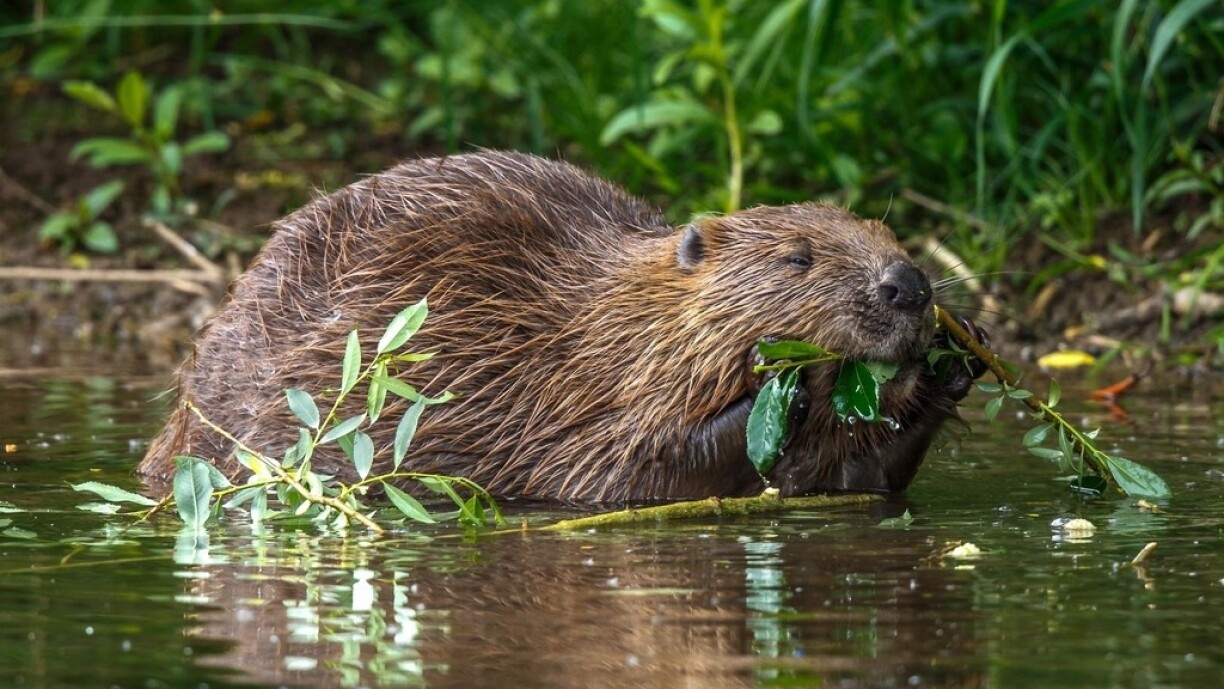
Luxembourgish beavers faced tough times in the past. The animals were hunted for their fur and meat until the entire populations were declared extinct in the Grand Duchy. There was some light on the horizon during the 80s and 90s when reintroduction projects in Belgium, the Eifel region, the Saarland and the upper Moselle region in France took place. These projects saw beaver populations rise - slowly but steadily. Good news: ten years ago, a small beaver population was able to call Luxembourg their home again.
The population kept growing and Luxembourg currently boasts 39 locations where beavers are known to live. Young beavers are usually evicted from their mothers' dens after two years. After that, they need to relocate and often travel 20-40km (sometimes even up to 100km) before they settle in a new home. In other words: they may appear anywhere in Luxembourg as long as there is vegetation and water. The relocation process usually takes place in May.
Beavers and their new territories are usually spotted late summer or autumn when they start biting on trees and even cutting them down as there are no plants left in their habitat.
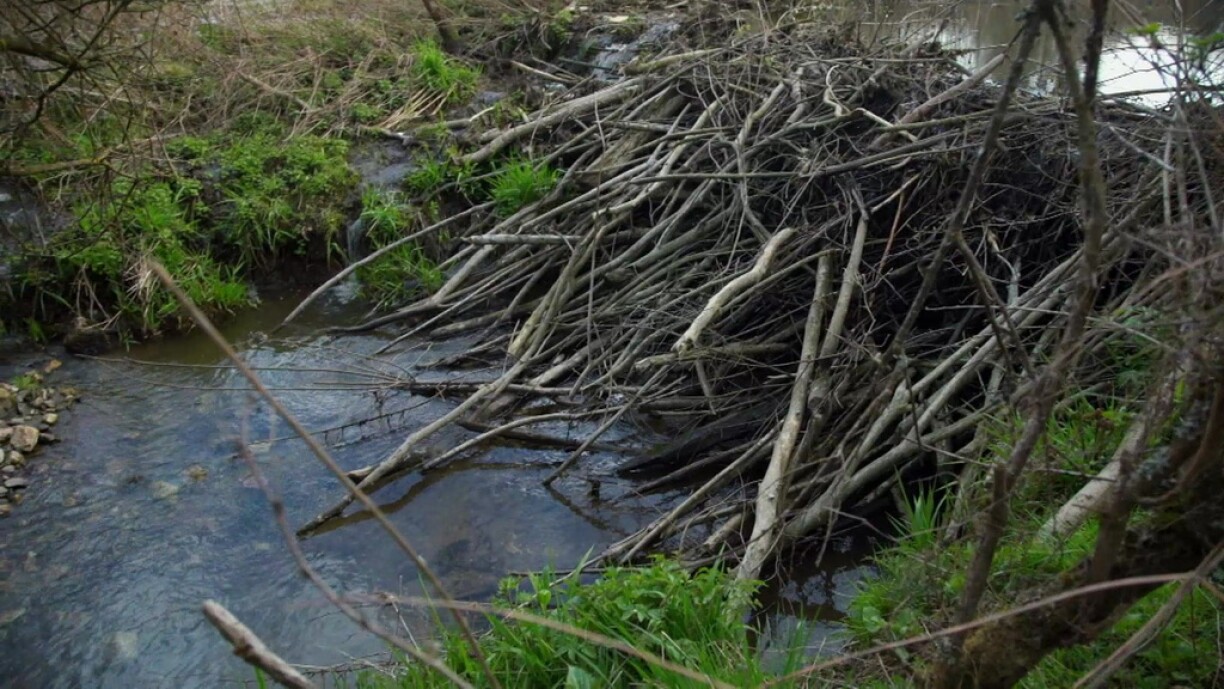
Luxembourg's Nature and Forest Agency estimate that beavers have settled in other locations in the Grand Duchy that they are not aware of yet. For this reason, if you spot a beaver, let them know via email (biber@anf.etat.lu) or phone +352 621 202 182.
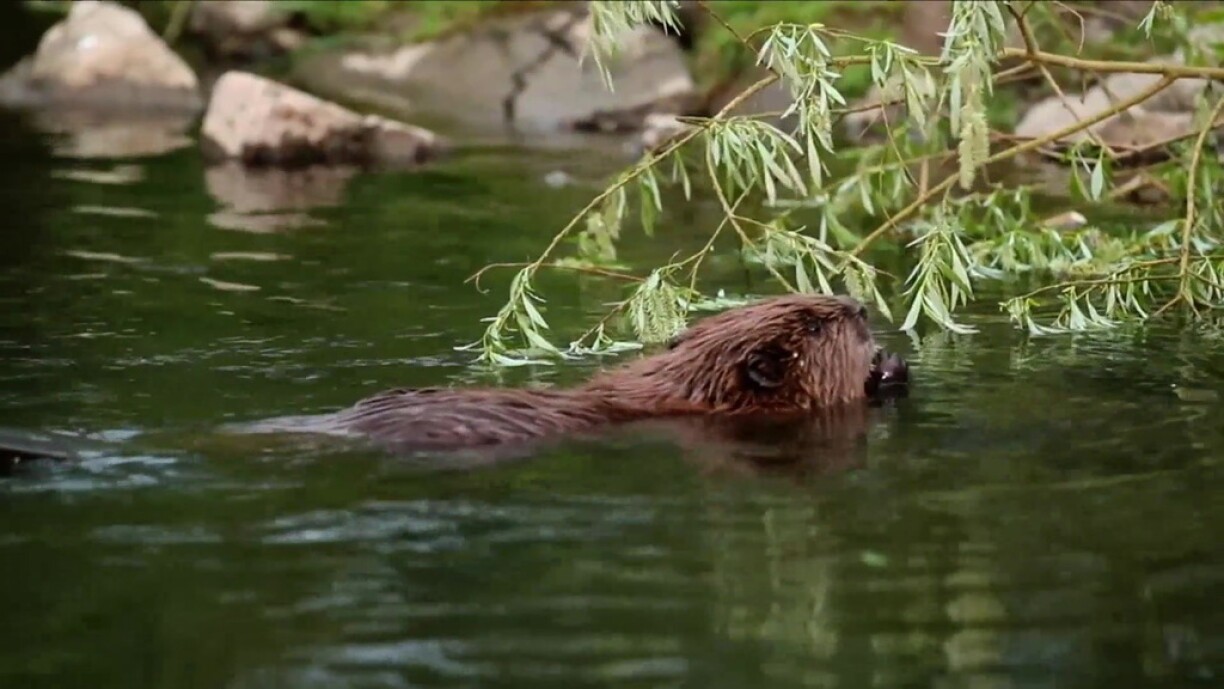
Beavers are crucial for biodiversity and water protection. The changes they inflict on landscapes in building dams, cutting down trees, and flooding valleys often provide new habitats for other species.





