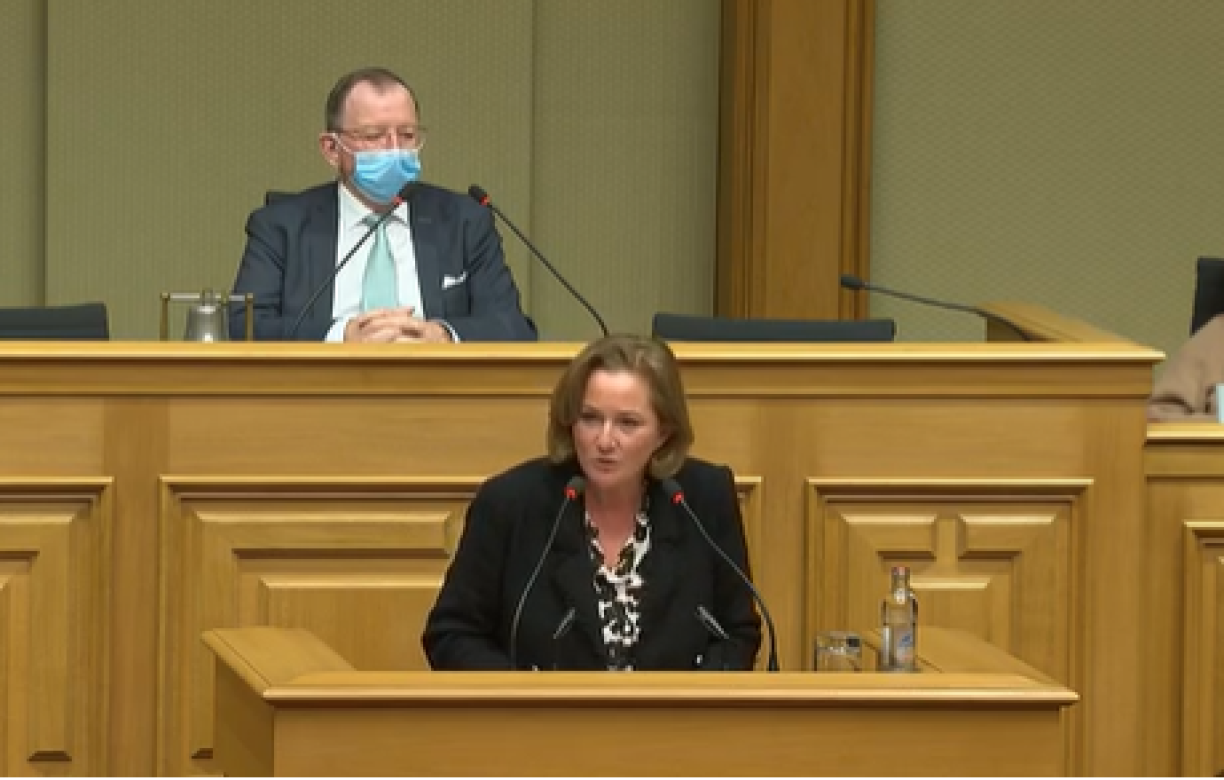
"The virus is unpredictable, it mutates, and the problem is that we don't know in which direction. Will it just spread more rapidly? Will it become more pathogenic?", Lenert wondered aloud to MPs during the debate on the latest Covid-19 law in the Chamber of Deputies on Tuesday.
During the debate, the Minister addressed a question that many citizens, both vaccinated and unvaccinated, are asking: how effective is the vaccine we have today against the new Omicron variant?
"It's not as bad as it could be, but it's not as good as it could be either," Lenert conceded on Tuesday in the Chamber of Deputies.
The Minister explained that there is a "less significant effect of vaccination as far as contamination is concerned", as the soaring number of new daily cases (3,835 cases last weekend, 961 cases on Monday) clearly shows. "More and more vaccinated people are becoming infected", which shows the limitations of the current vaccines, Lenert stated.
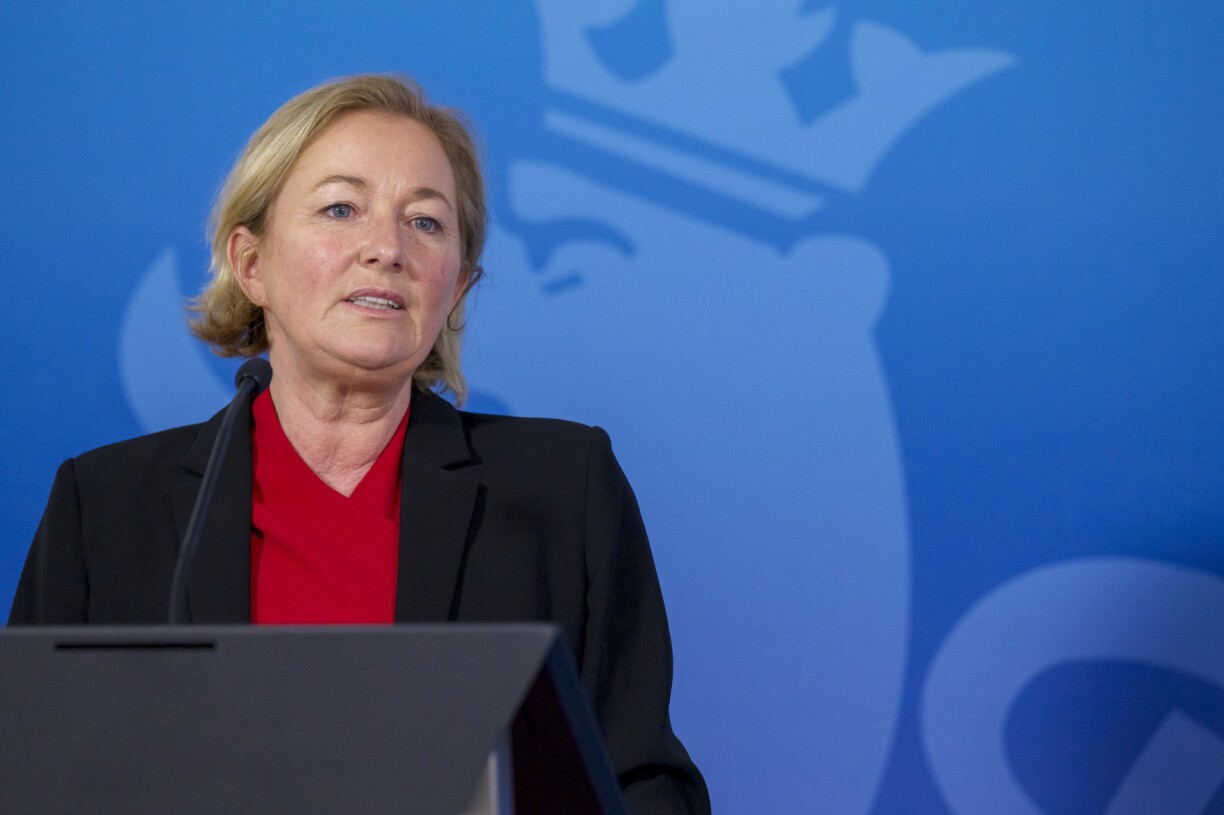
On the other hand, the generation of vaccines with which Luxembourg is in the process of boosting its population is "very effective" against the severe forms of Covid-19, the Minister noted. Despite the fact that they are "less effective against Omicron than against Delta", they still allow the authorities to keep the situation under control – at least until the new generation of vaccines becomes available.
"We are all awaiting the authorisation of the next generation of vaccines that will better cover the new variants," Lenert stressed, adding, however, that "there are hopes, but no precise date yet".
But it shouldn't be too much longer, according to Catherine Smallwood, head of emergencies at WHO Europe. She explained on Wednesday morning on the French radio network France Info that "there will be new vaccines. There are already some in the research period that will come on the market fairly quickly". That is, "in a few months".
A vaccination strategy based on "repeated boosters" of the first generation of vaccines is "unlikely to be appropriate or sustainable," the World Health Organization (WHO) expert panel overseeing coronavirus vaccines said in a statement released on Tuesday.
WHO experts are calling for changes in the composition of vaccines to ensure that they provide greater protection against the disease and that they continue to meet the criteria set by the organisation, including protection against severe forms of Covid-19. In particular, they call for vaccines "to be based on strains (…) close to the circulating variants".
The experts also consider it important that vaccine manufacturers take "short-term measures" to develop and test vaccines against the dominant variants and that they share these data with the WHO.
The organisation explicitly states that it wants to "end the pandemic" this year. To achieve this, it says, all countries would need to vaccinate 70% of their population by mid-2022. However, as of January 2022, this goal is still far from being achieved.





