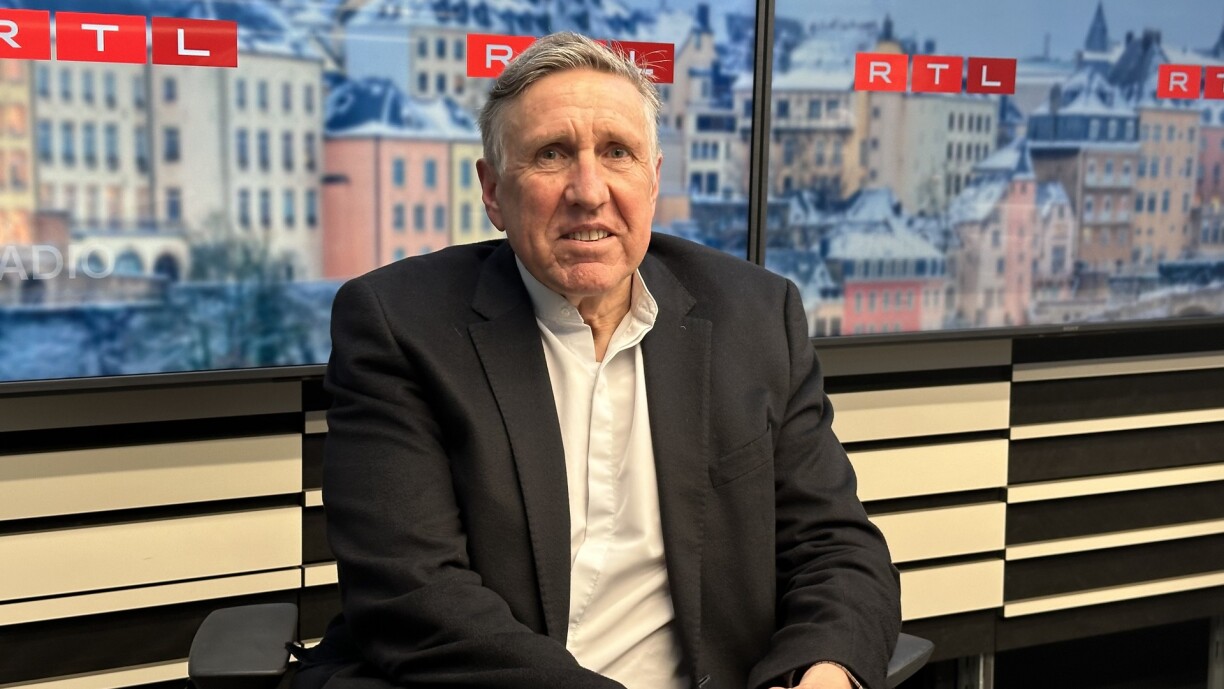
In an interview with RTL Radio on Tuesday, Bausch acknowledged the challenges facing the construction sector and private individuals due to the current housing crisis. He stated that while he could accept the measures introduced by the government last week, the real challenge for the future lies in rebalancing the housing market, not by lowering prices, which he deemed "impossible," but by ensuring adequate housing for those unable to afford private market rates.
With this in mind, Bausch welcomed the fact that the State is buying up even more housing that has not yet been built or is in the process of being built (commonly referred to as VEFA, vente en l'état futur d'achèvement) and that €900 million has been earmarked for the construction of affordable housing for the years 2023 to 2026.
He viewed these initiatives as part of an ongoing effort, though not groundbreaking. Something that did surprise Bausch, on the other hand, was the fact that there appeared to be room for manoeuvre in the budget after all. He noted that if it had been up to him, the previous government would have gone further with its own measures. When asked whether this meant he blamed the Democratic Party (DP), the former minister replied that he would refrain from "making judgments."
Regarding temporary tax benefits for investors and the quarter global rate, which reduces tax on capital gains from property sales, Bausch maintained his criticism. While acknowledging that these measures were originally introduced by the first government consisting of the DP, the Luxembourg Socialist Workers' Party (LSAP), and the Green Party, he questioned their efficacy. Bausch suggested that increased taxation on capital gains, particularly in cases where changes to development plans significantly inflate property values, could provide funding for public housing initiatives.
At the end of February, a conference on housing will bring together representatives of the government, local authorities, and the private sector. The conference aims to discuss various issues, including procedural matters. Bausch expressed regret over the tendency to single out environmental procedures for criticism, noting that while environmental protection remains paramount, his party colleague and former Minister for the Environment, Joëlle Welfring, had already streamlined several procedures in 2023.
"Procedures are not an end in themselves," according to François Bausch. He believes that more attention should be paid to municipal procedures. He noted the potential for appeals at different stages, such as when amending the general development plan (PAG), drafting specific development plans (PAP), or seeking planning permission. While acknowledging the importance of legal processes, Bausch suggested exploring avenues to expedite or modify these procedures where possible.
Reflecting on his tenure as a minister, Bausch observed that many challenges stemmed from resistance or reluctance to compromise among individuals, rather than procedural hurdles.
Regarding his potential candidacy for the European elections on 9 June, Bausch disclosed that his party had approached him, but he remains undecided. He confirmed that outgoing Green Party MEP, Tilly Metz, would feature on the list, with his own decision expected in mid-March.





