Broadly, the Democratic Party's priority is to implement the coalition programme, confirming that the party is 'on solid ground' and would 'calmly, but determinedly' continue to work on the government programme. A major priority is the fiscal reform, which the party hopes to work on over the next few months and even years, if required.
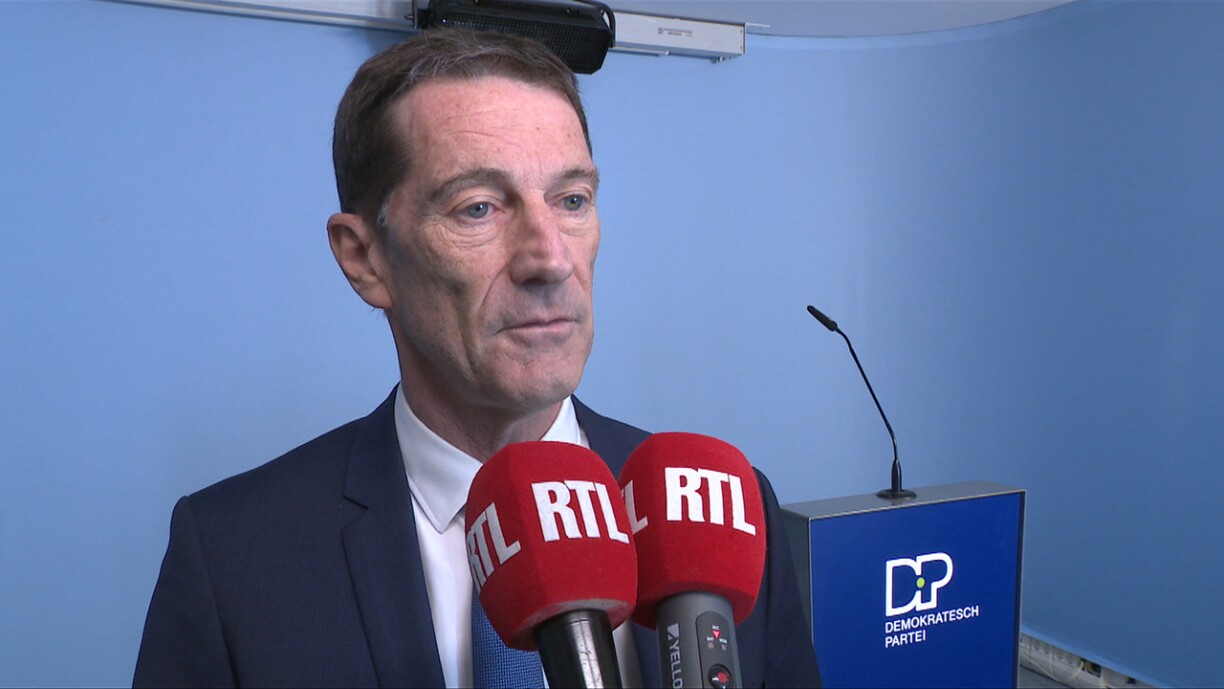
Eugène Berger, the party's chief in the Chamber of Deputies, highlighted that residents are entitled to fairer and more modern taxes, remaining true to the DP mantra. He explained that the party wants to let citizens and firms share the success of Luxembourg through tax relief: "If the country is doing well, then the country's people should also be doing well."
Concretely, the DP stressed that residents should be able prosper, mainly by benefiting from tax individualisation, which does not penalise individuals for not being married. Instead, only the amount of children per household should make a difference in how one is taxed. For this next parliamentary year, the party will focus on specific paths towards tax reform, said Berger. He added that the reform would also have a green dimension, given the importance of climate policies. The party is keen to promote remote working, which saves both time and CO2 emissions.
Berger estimated that the return to parliamentary politics will certainly be an eventful one. Alongside fiscal reform, the party will also tackle data protection following the extensive discussions surrounding the secret records. Broadly, the Democratic Party is against throwing accusations at specific individuals, as this would not lead to progress. To that end, Berger appealed to the opposition in the Chamber of Deputies to work together, find solutions, and implement necessary reforms to legislation.
The Democratic Party's representation in the Chamber is due to change over the course of the next few months. Joëlle Elvinger will take over Henri Grethen's role at the European Court of Auditors, leaving room for Caude Lamberty to take up her position as an MP.





