The European Climate Observatory's report for 2023, presented on Monday, reveals a significant finding: the European continent is experiencing rapid warming at a rate of 0.5 degrees per decade, surpassing the global average of 0.2 degrees. Surprisingly, this trend is not solely attributed to higher CO2 levels but is also influenced by specific meteorological phenomena on the European continent. Additionally, the Observatory included the Arctic within Europe in the report. Ferrone explains that the Arctic has a reputation for being a rapidly warming region.
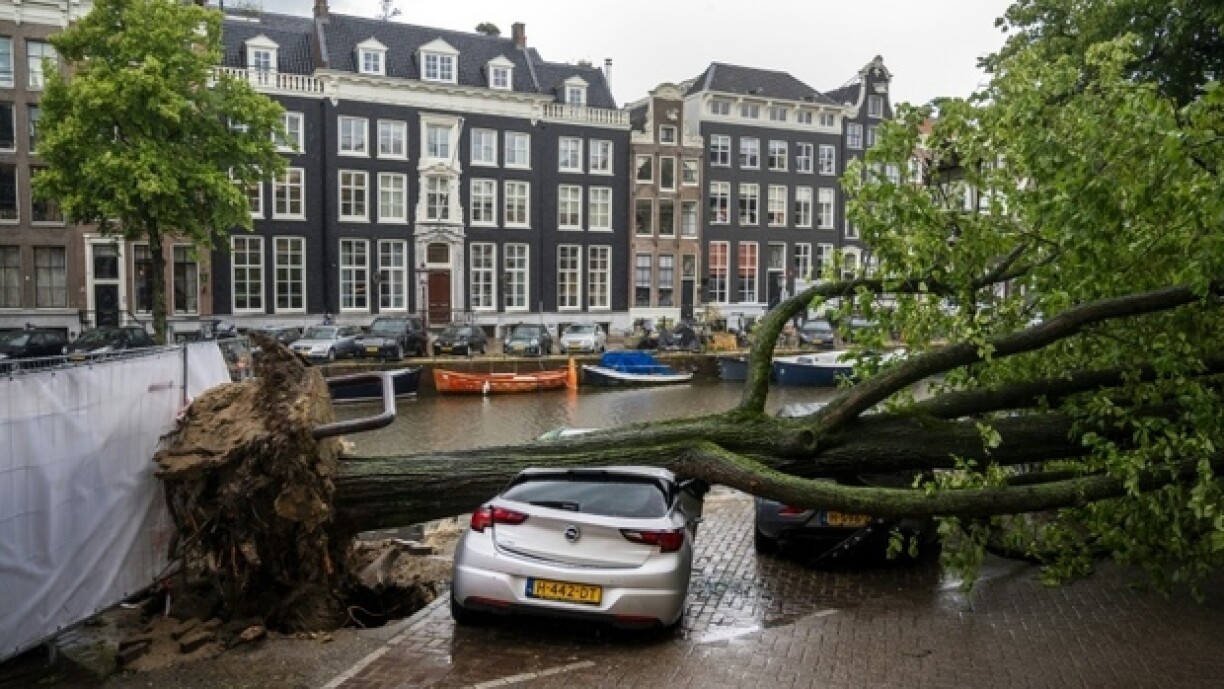
The consequence of the rise in temperatures is the "multiplying of extreme meteorological phenomena in Europe." We almost would need to get used to extreme heat and torrential rain, as it is a trend that is becoming increasingly common, even in Luxembourg. "Among the 30 most extreme heatwaves recorded in Europe since 1950, 25 occurred in the 2000s, with five of them happening in the past five years."
This pattern is also evident in rainfall levels, which increased by 7% in 2023. Warmer air has a greater capacity to hold moisture, and as seas and oceans warm, more water evaporates into the atmosphere. This increased moisture leads to more frequent and intense rainfall events, as explained by the climatologist. "When heavy rainfall occurs, there's a surge of energy in the atmosphere, resulting in more violent storms and more extreme rainfall events across Europe, including Luxembourg. Moreover, even during periods of no rainfall, increased evaporation from plants contributes to soil drying at a faster rate, leading to extended dry periods. It's a paradoxical situation where both of these phenomena intensify simultaneously."
This climate report is "scientific report, and therefore does not provide recommendations. It does, however, mention potential avenues to follow." "Even if we can limit global warming to 1.5 degrees, this will have an impact on nature and mankind". We will have to "adapt". This is why the report also looks at the health sector. People must be "warned in advance of the arrival of heat waves". Early warning systems for heatwaves are crucial, along with preventive actions in urban areas, which are warming up faster. Green spaces are essential for mitigating heat, given that concrete surfaces tend to absorb and retain heat more rapidly.
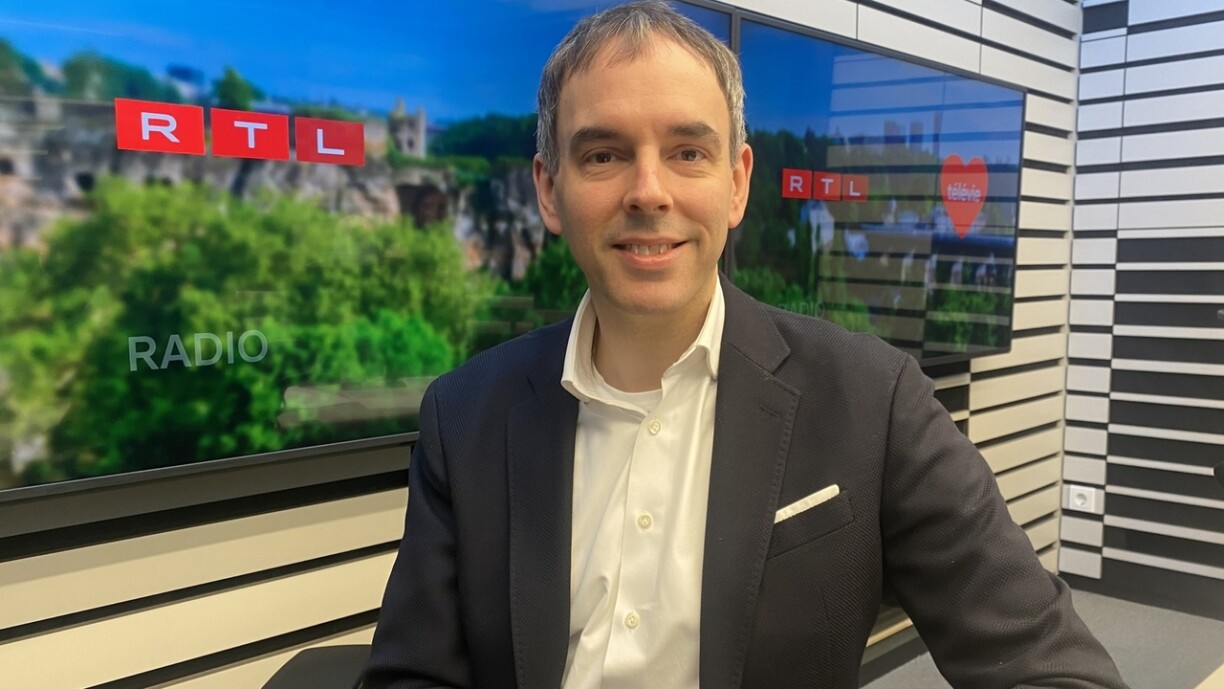
Luxembourg is working on a new plan to adapt to the effects of climate change. "It's a governmental plan aiming to elaborate strategies for adapting to climate change and its impacts within the Grand Duchy." Building upon the previous plan covering the years 2018-2033, the upcoming plan will focus on the following decade. Ferrone, serving as the president of the Climate Policy Observatory in Luxembourg, is collaborating with multiple ministries to develop this plan. It will encompass diverse sectors such as agriculture, health, urban planning, emergency services, and housing. Recognising the importance of citizen engagement, a public consultation is scheduled for this summer and a report is set to be published at the end of 2024, according to Ferrone.





