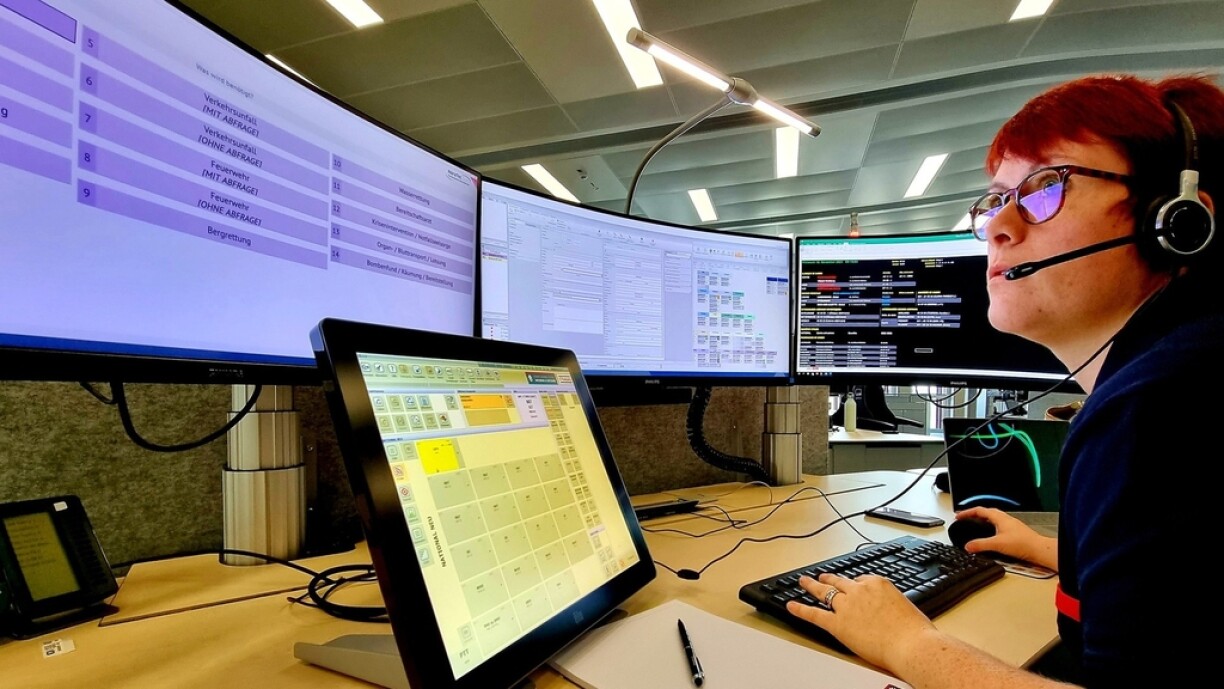
The teams deployed by CGDIS across the country have observed a rise in interventions this year, expected to surpass the record of 72,000 call-outs from the previous year. While the growth in Luxembourg's population is a contributing factor, Schroeder highlights another issue: misuse of the emergency number 112.
In an interview with our colleagues from RTL Radio on Friday morning, Schroeder noted that more individuals are dialling 112 for situations that do not qualify as genuine emergencies. Examples include reporting water leaks or requesting an ambulance for non-urgent hospital transport. Such calls tie up resources that could be needed for actual life-threatening situations in other areas.
Schroeder stressed the importance of reserving 112 for true emergencies, stating, "in the event of a real emergency, don't hesitate to call 112!"
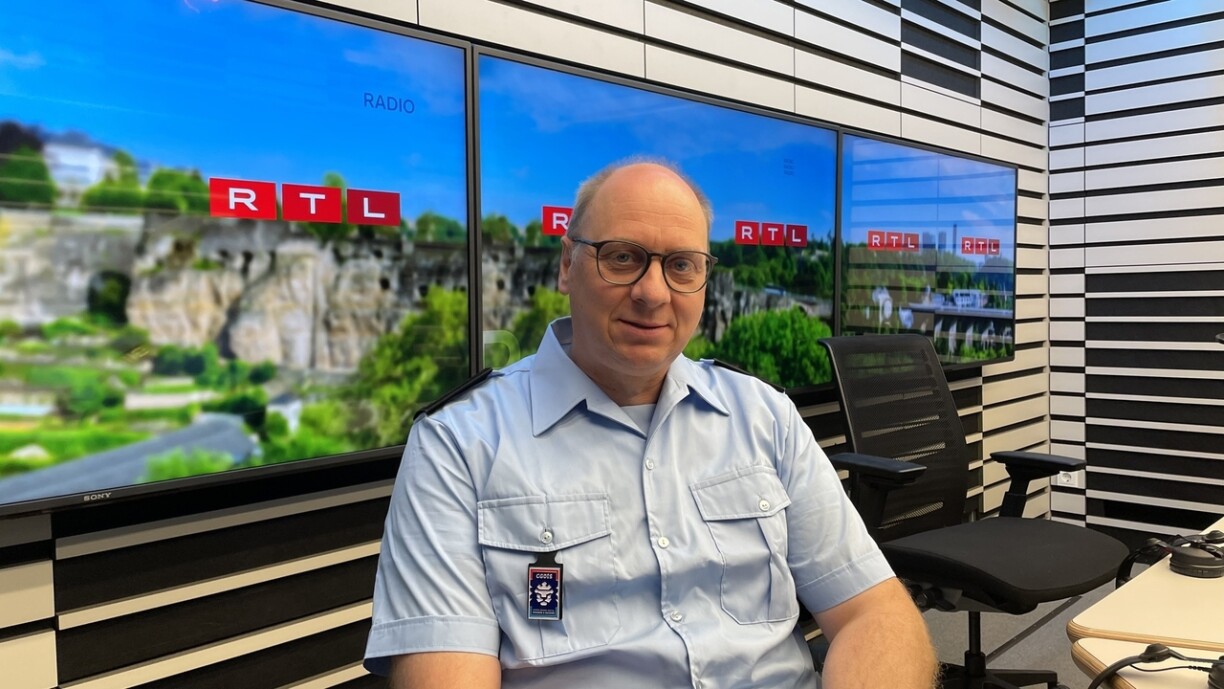
Luxembourg's emergency services comprise 660 professional firefighters and 3,800 volunteer firefighters, providing extensive coverage throughout the country. However, Schroeder acknowledged that there is always room for improvement. The goal is to ensure a rapid response, aiming for arrival within 15 minutes of receiving a 112 call anywhere in Luxembourg.
Five years ago, before the reorganisation of Luxembourg's emergency services, only 50% of ambulances reached emergency scenes within the 15-minute timeframe. Today, this rate has increased to 67%. Schroeder pointed out that while they are working towards the 90% target, many localities can rely on CGDIS "first responders" – local citizens trained to provide first aid before ambulances arrive.
It should be noted that Luxembourg already boasts an average waiting time of just 13 minutes before emergency teams arrive.





