The fear of the war in Ukraine spreading to other European countries is intensifying, prompting nations across the continent to bolster their defences. From Finland in the north to the Baltic states and Poland in the east, governments are taking concrete steps to enhance security–35 years after the fall of the Iron Curtain.
Poland alone is investing €2.3 billion to protect itself from potential hybrid or direct attacks by Russia or Belarus. Polish Deputy Defence Minister Cezary Tomczyk emphasised that the measures aim to deter aggression while modernising and transforming the country's military. The construction of the "East Shield" along Poland's borders with Belarus and Russia is a key component of this strategy. "This is primarily to ensure that there is never, absolutely never, a confrontation with our country," Tomczyk stated, adding, "It's about Poland's security."
In neighbouring Germany, similar efforts are underway to prepare for potential threats. The federal government has begun reactivating 579 bunkers across the country, including one in Cologne's Kalk neighbourhood, just 200 kilometres from Luxembourg. The facility, untouched since 1979, was recently showcased in a report on RTL Germany.
German Interior Minister Nancy Faeser compared the initiative to the restoration of public alarm systems, such as sirens, many of which had been dismantled in recent decades. "This government has been confronted with the fact that we have had to make up for the shortcomings of the past," Faeser said.
The German Federal Office for Civil Protection and Disaster Assistance has also suggested that public and private buildings could serve as potential shelters in times of crisis.
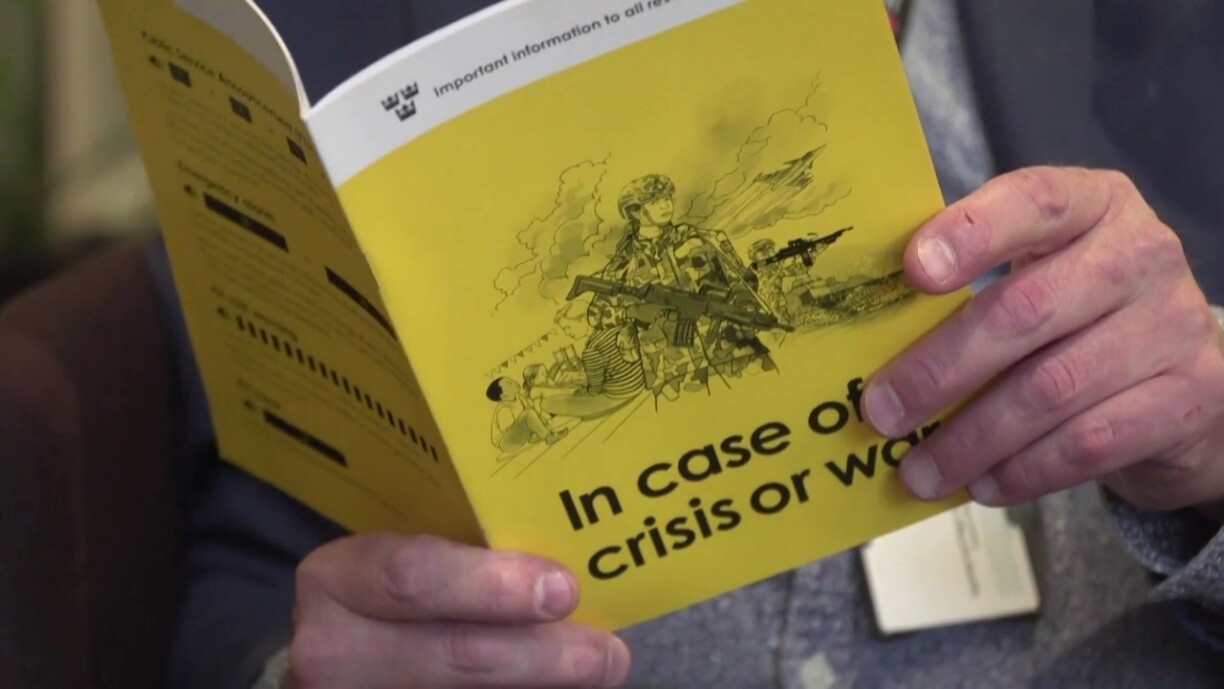
In Sweden, the civil protection agency is distributing five million brochures to households, providing guidance on how to respond to crises and war scenarios. The 32-page booklet aims to educate citizens on both traditional emergencies and the evolving security landscape.
"The decision to release an updated version was prompted by the deteriorating security situation, particularly following Russia's large-scale attack on Ukraine," said Christina Andersson from the Swedish Civil Contingencies Agency.
In Luxembourg, the authorities have taken a more reserved approach. According to Guy Bley, High Commissioner for National Protection, the focus is on fostering resilience among both the population and the country as a whole.
"It is generally important for a country to be resilient and for its population to be resilient," Bley explained. The High Commission for National Protection provides resources and advice on its website, Infocrise.lu, which is available in three languages, including English. A particularly notable feature is a checklist offering practical guidance for crisis preparedness.
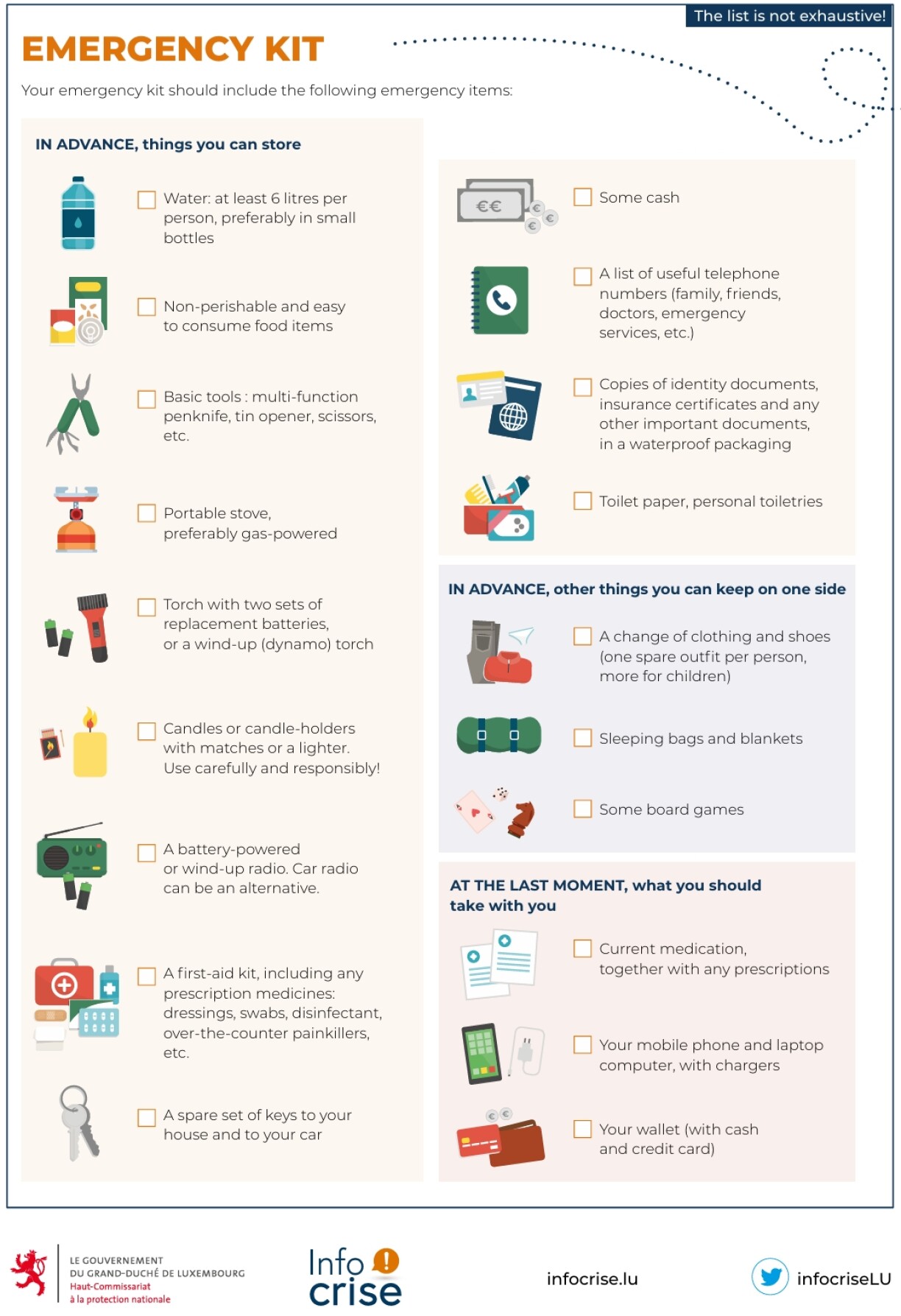
The checklist includes recommendations on essential supplies, such as the amount of water to store at home and items like radios and torches. "This advice is relevant to all types of crises," Bley noted.
As for physical infrastructure like bunkers, our colleagues from RTL Télé confirmed that no facilities in the country meet modern standards for such installations.





