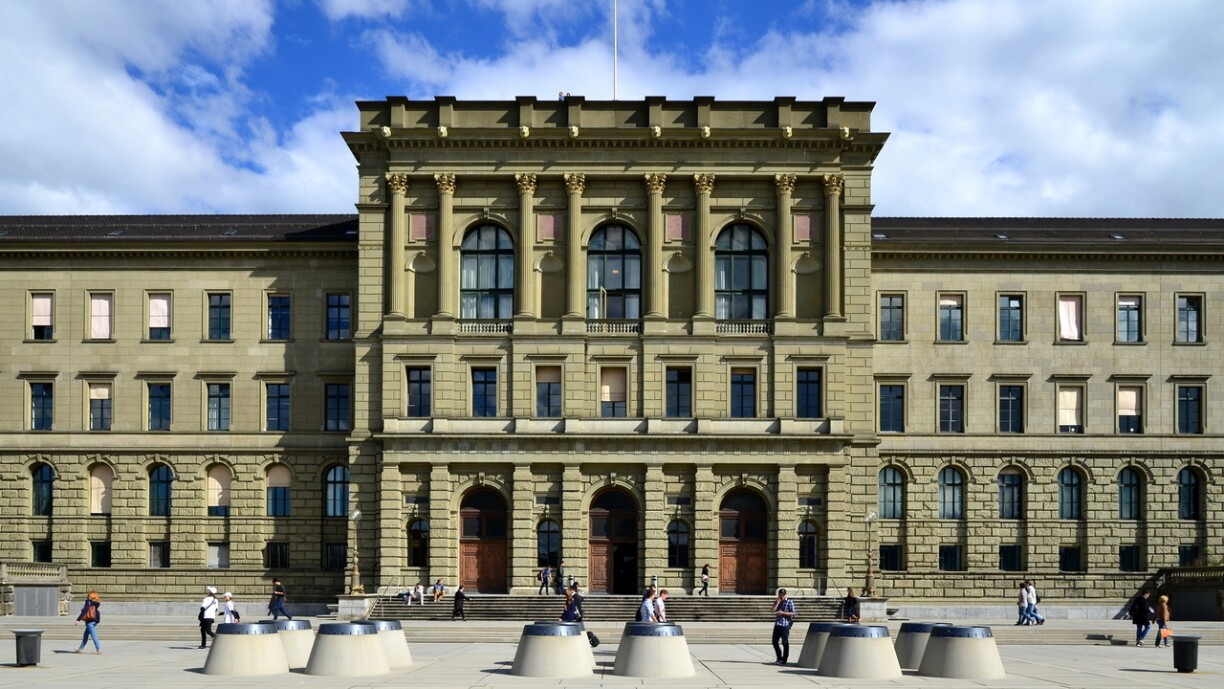
The bill, set to be voted on in parliament on Wednesday, is also expected to pass through the Council of States, according to Till Winzen, a Luxembourg student at ETH Zurich and member of the Association of Luxembourg Students in Zurich (LSZ).
The proposed bill would increase university fees from the current 800 Swiss Francs per semester to 2,400 Swiss Francs per semester, resulting in an annual cost of over €4,800 for foreign students. However, the new rate would only apply to students beginning their studies in Switzerland from September 2025.
Speaking to our colleagues from RTL.lu, Winzen highlighted the financial burden this increase would place on students, who typically have limited income. He argued that access to education should not be restricted by high university fees, regardless of the country.
Student associations are sounding the alarm, criticising the lack of communication from politicians about this project. While petitions against the bill have been launched, Winzen noted that there is little to do now but await the lawmakers' decision on Wednesday.
It should not be the responsibility of students to make up for funding shortfalls in the Swiss Ministry of Education, a view shared by the LSZ and the umbrella organisation of Luxembourg student associations, ACEL. ACEL Vice President Gianni Di Paoli described the development as "regrettable" and noted that this trend extends beyond Switzerland to other parts of Europe. For example, the Technical University of Munich also plans to raise fees for non-EU students.
Another example is Maastricht, where the Dutch city's 25,000 students include fewer than half who are Dutch nationals. The shift to the right in the Dutch government has led to a prioritisation of Dutch students and a reduction in English-language courses. This move is partly motivated by the housing shortage, a common issue across the EU. By reducing the number of foreign students, policymakers hope to alleviate pressure on the housing market, making more flats available for Dutch residents.
According to ACEL's Gianni Di Paoli, both reducing the number of foreign students, as seen in Maastricht, and raising fees for international students at universities are plans that are "nothing short of anti-European."





