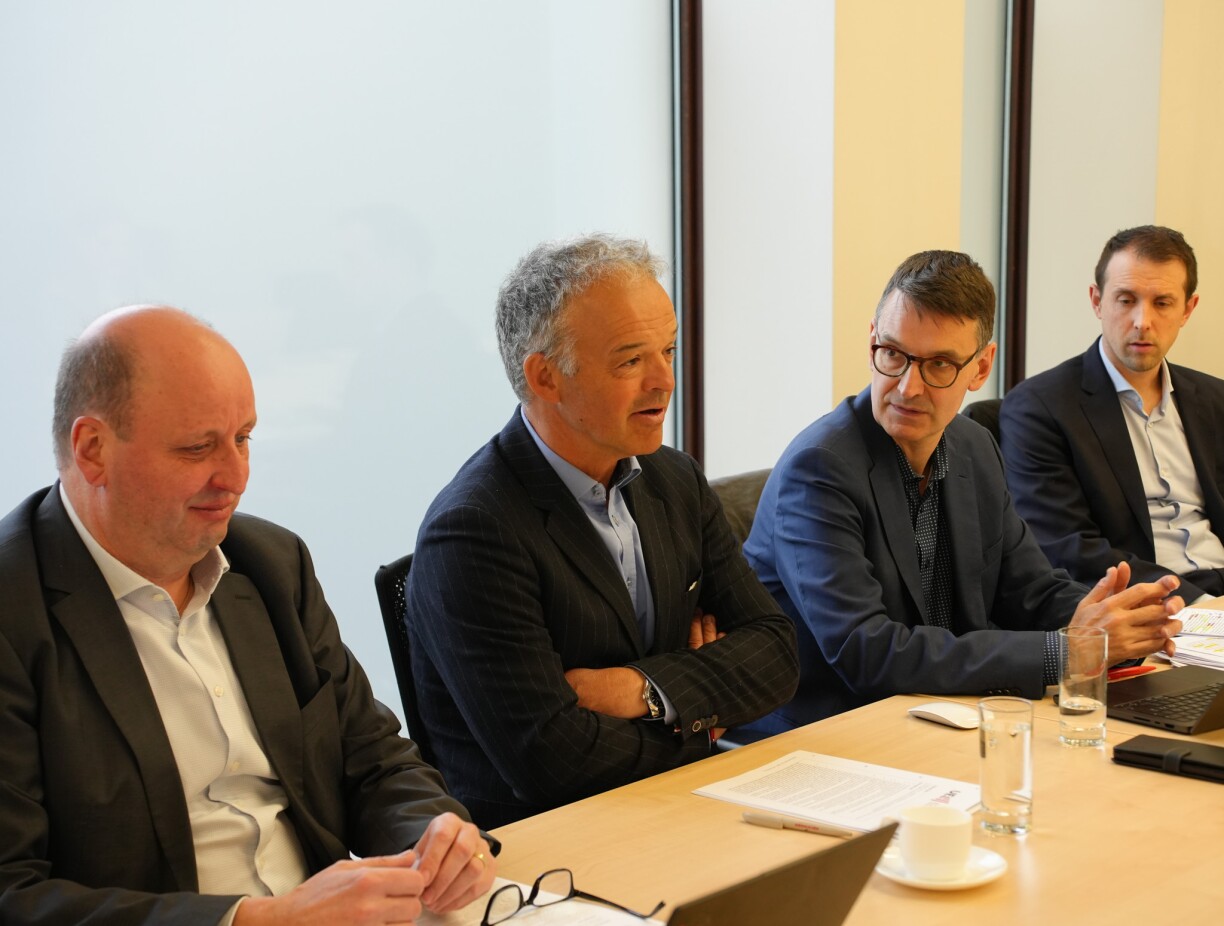
Luxembourg's main private-sector employers' umbrella group says it wants a "responsible" and "forward-looking" social dialogue after holding its first meeting with the country's new labour minister, Marc Spautz, as economic uncertainty and labour market pressures mount. The Luxembourg Employers' Association (UEL) said a delegation met Spautz on Monday for an initial exchange on the main current issues in social policy and labour, and signalled it is ready to keep working with the minister on employment and labour law files.
In a statement (FR), the employers' organisation highlighted what they described as a challenging economic backdrop, pointing to "weak or non-existent" growth since 2021, falling productivity, slower job creation, and a rise in unemployment of nearly 50% since 2022. Against that context, UEL said improving the legal framework would be necessary to help re-energise the economy and the labour market.
A central theme of the talks was the organisation of working time. Employers called for modernising labour rules to give companies greater ability to adapt to "new realities" and meet the expectations of customers and employees, the statement said.
UEL also flagged upcoming European Union requirements as a key concern, citing directives linked to adequate minimum wages and pay transparency. It urged what it called a "pragmatic and balanced" approach to adopting EU legal texts and transposing them into Luxembourg law, arguing that policymakers should weigh employee protection alongside the economic reality facing businesses.
Beyond the EU files, employers reiterated calls to simplify existing legislation and reduce administrative burdens on companies.
The employers' groups said they had taken note of the minister's willingness to continue discussions on these dossiers, starting with bilateral exchanges before moving to the national level. They said they are prepared to contribute "actively" to a renewed national social dialogue on employment and labour law.
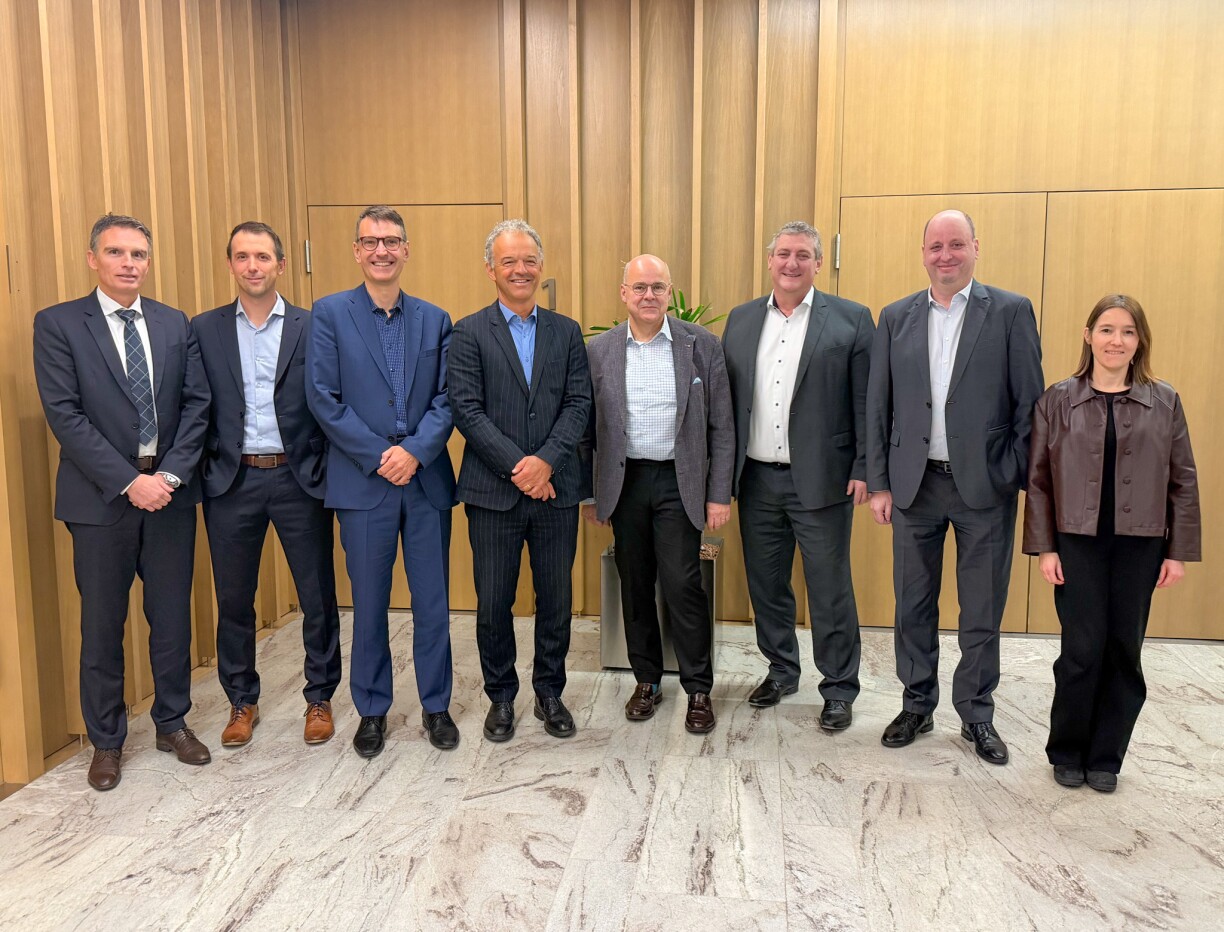
The UEL represents private-sector employers in Luxembourg, excluding the primary sector, through professional chambers and business organisations. It says its members account for about 80% of jobs and roughly 85% of gross domestic product in the Grand Duchy.
Before meeting the UEL delegation, Minister Spautz also convened with unions in an attempt to repair social dialogue, which had started to deteriorate under his predecessor, Georges Mischo.





