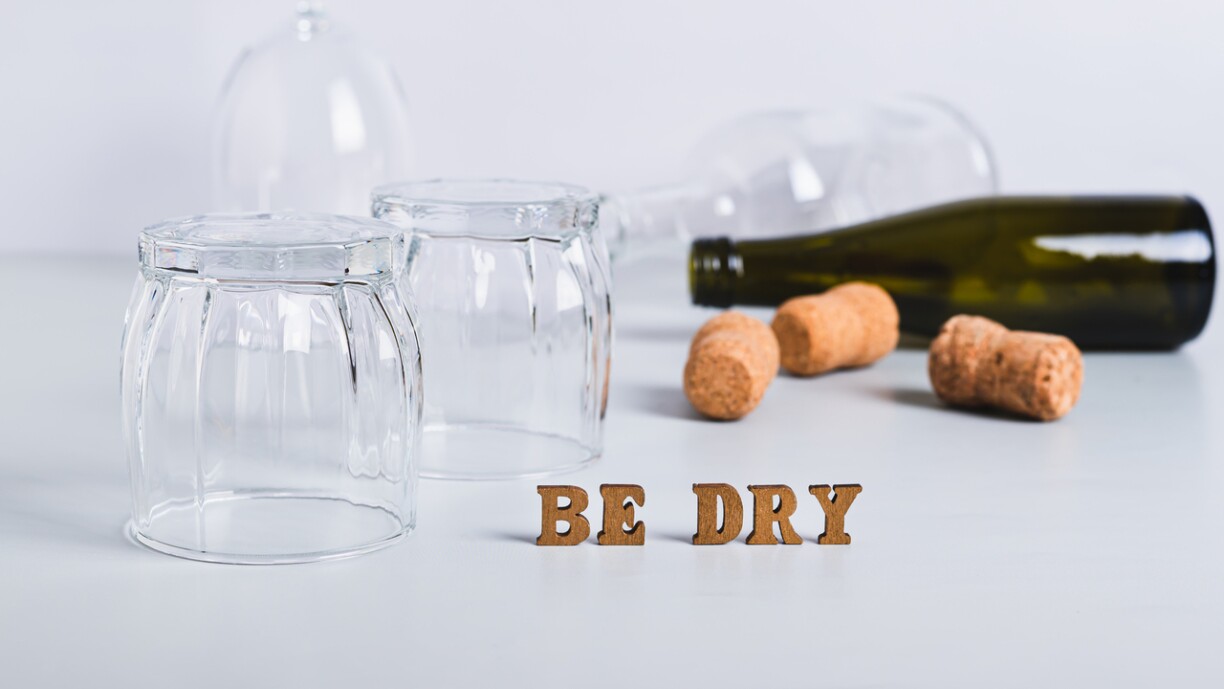
"Alcohol is deeply ingrained in our society. For many, it's a social norm, with people drinking in varying amounts," says Dr. Claude Besenius, director of the therapy centre in Useldange. As a member of the addiction association, Besenius is also an advocate for Dry January, believing January is an ideal time to reconsider our relationship with alcohol. After the holiday season, a new year offers the perfect opportunity for self-reflection and healthier choices.
Dr. Besenius advises that simply isolating yourself to avoid temptation isn't a sustainable solution. Instead, it’s more helpful to reflect on your motivation for participating. "Write down why you want to take part. Sharing your goal with others can also provide support," she suggests. Encouraging friends or colleagues to join can help create a sense of accountability.
When attending social events, she recommends planning ahead by choosing non-alcoholic drinks in advance. It’s also crucial to practice saying "no" when offered a drink.
If you find it difficult to refuse, that’s okay – Dry January is about mindful alcohol consumption, not perfection. "Our approach is about consciously drinking less or not drinking at all," Besenius says. If giving up alcohol feels challenging, it might be time to consider seeking help.
Many participants report noticeable benefits after just one month of abstaining from alcohol. Common positive effects include increased energy, better sleep, and improved concentration. Financial savings are another often-overlooked bonus – no more spending on alcohol means more money in your wallet.
There are also significant health benefits. Reducing alcohol consumption lowers the risk of various cancers, including liver, breast, and bowel cancer. Alcohol can also affect mental health, contributing to anxiety and depression. Additionally, alcohol consumption is linked to accidents, violence, and aggressive behaviour, which can impact not only the individual but their family and workplace as well.
Determining how much alcohol is too much isn't straightforward. Dr. Besenius explains that there’s no level of alcohol consumption that’s entirely risk-free. The general recommendation is that women should limit themselves to one drink a day, and men to two, while ensuring they have at least two to three alcohol-free days each week. Binge drinking or chronic long-term drinking pose the greatest health risks.
If you find yourself drinking daily and struggling to stop, it could be a sign of a deeper problem. A self-assessment tool is available at www.alkohol.lu to help you evaluate your drinking habits. Indicators of alcohol addiction include a strong compulsion to drink, a loss of control over consumption, needing more alcohol to achieve the same effect, physical withdrawal symptoms, or continuing to drink despite negative consequences. If alcohol is starting to take a toll on your relationships, work, or well-being, it may be time to seek support.
If you notice someone in your life exhibiting concerning behaviours related to alcohol – such as becoming aggressive, drinking early in the day, or shaking when they go without alcohol – it’s important to intervene. "Approach the person in a non-judgmental way, expressing concern for their well-being. Simply saying, 'I’ve been thinking about you, and I’m here to help,' can make a difference," says Dr. Besenius. While the individual may not be ready to change, your support could encourage them to seek help when they are ready.
If you or someone you know is struggling with alcohol use, there are several resources available. Start with your family doctor, particularly if you have a good relationship with them. You can also reach out to the Centre Addic in Luxembourg City for counseling, or contact the Ask a Question service from the National Centre for the Prevention of Addictions (CNAPA). The Quai 57 addiction counselling centre and Impulse, which specialises in youth services, are also valuable resources. Visit www.alkohol.lu for more information on where to find help.
It's important for society to recognise that choosing not to drink is a personal decision. "When someone says they don’t drink, they shouldn’t be met with questions like, 'Are you sick or pregnant?'" advises Dr. Besenius. There should be no need for explanations. For those recovering from alcohol addiction, the challenge is even greater, as they may feel excluded from social activities where drinking is the norm. Learning to navigate social situations without alcohol is difficult but essential for long-term recovery.
In conclusion, Dry January offers an opportunity to reassess our relationship with alcohol, improve our health, and be more mindful of its impact on our lives. Whether you choose to abstain completely or cut back, the month can serve as a catalyst for healthier habits and a more conscious approach to drinking.





