Terraces reopened at restaurants throughout the country on Wednesday, with a number of other businesses opening on Friday, including cafés, gyms, theatres and cinemas - only possible due to the low infection rates at present.
However, life will not resume as normal - customers must observe 2 metres distances, or wear masks in places where distancing is not possible, in order to avoid potential infection through particles or droplets.
More and more scientists and studies are warning of infection through droplets which remain in the air for minutes, or even hours.
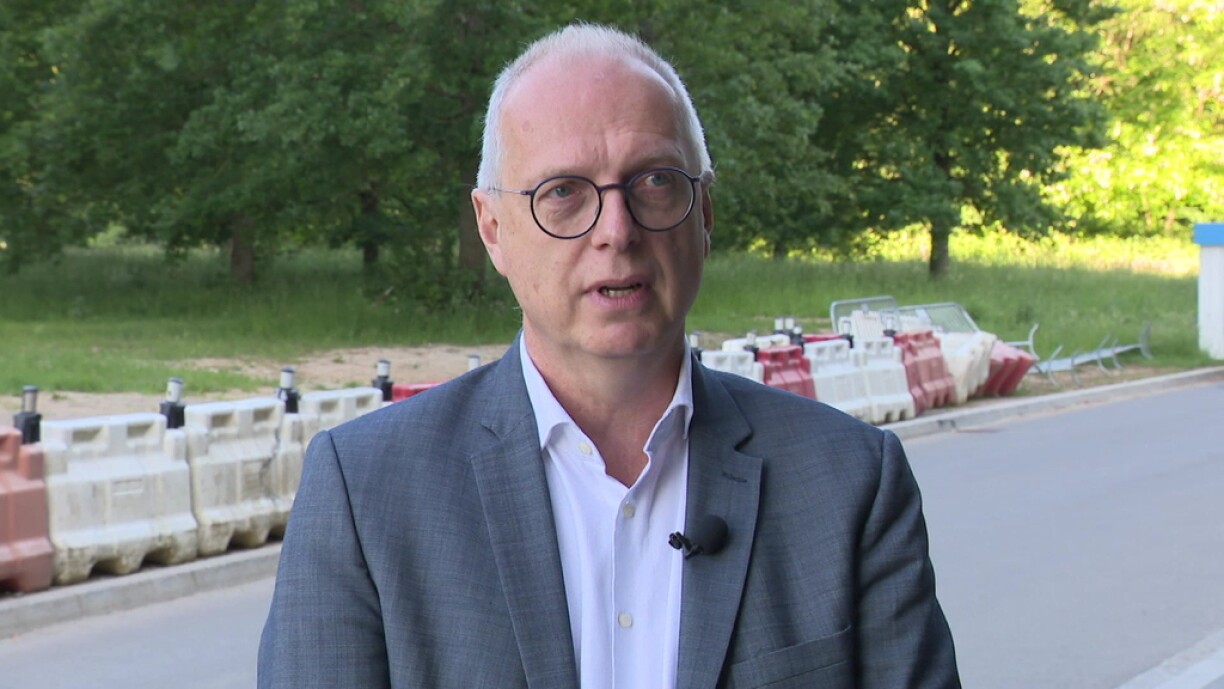
Dr. Jean-Claude Schmit told RTL these were particularly problematic in closed rooms indoors, where the air is not regularly renewed. He also mentioned certain activities which produce more droplets than others, such as singing.
Choirs and choral practices have therefore been banned for the time being, but restaurants and gyms could also be risky, said Dr Schmit. He explained it was important for fitness studios to have adequate ventilation to lower the risk of infection.
Observing a two metre distance is unlikely to protect against droplets; however, wearing a mask can significantly reduce the risk. However, Dr Schmit added that the exact role of droplets in coronavirus infection was not completely clear. The topic is subject to much debate across the medical industry, with specialists and researchers still exploring details surrounding the virus.
Dr Schmit said he advised caution, with clear recommendations in place for different situations, such as gyms.
It has been confirmed that good air circulation results in a safer environment. For this reason, he recommended eating on restaurant terraces, or inviting friends over in the garden.
The Grand Duchy's numbers are good, because of widespread testing in an attempt to break the chain of infection, explained Dr Schmit. He said manual tracing was working well for the moment, citing cases of people who were placed in preventative quarantine, who later showed symptoms, or cases of those who tested positively.
These cases proved they were right to isolate and in this way, break the chain of virus transmission.
Dr Schmit said Luxembourg's healthcare system had to be more cautious and react earlier than in other countries, due to the low number of hospitals. With 20 new infections per week for every 100,000 members of the population, the approach appears to be working.
Authorities plan to wait and observe how the situation develops. Dr Schmit cited restaurants as being particularly risky for potential transmission, but said the result would not be evident for another two to three weeks.
He also explained a second wave could not yet be ruled out, with more viral diseases expected in the autumn season.
Patients exhibiting symptoms of colds or chills will make it harder to diagnose coronavirus, said Dr Schmit. He advised that flu vaccinations would be promoted more this year, to reduce the number of cases of patients with flu, and thereby fewer suspected cases of Covid-19
Although a small dose of normality appears possible at this moment in time, Dr Schmit warned against dismissing the virus as defeated.
Video report in Luxembourgish





