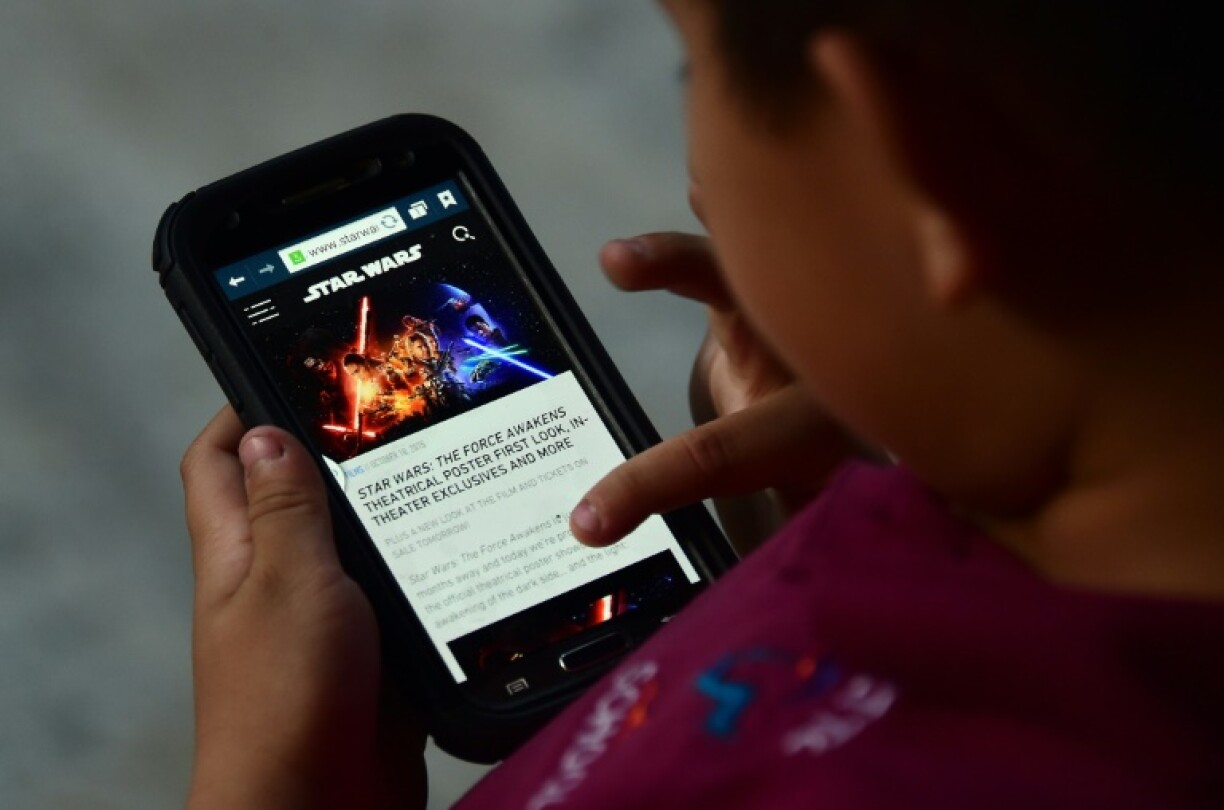
Every day we read news about the war in Ukraine, the conflict in Israel, environmental disasters, accidents, epidemics, murder, and poverty. When we read the news, it is usually about something negative. And in 2023, we usually consume these news through the internet and social media.
To "doomscroll" means to excessively think about those negative topics, and to spend too much time reading about them, usually on a smartphone or a computer, hence the name doomscrolling. Sometimes this phenomenon is also called "doomsurfing" when referring to desktop users.
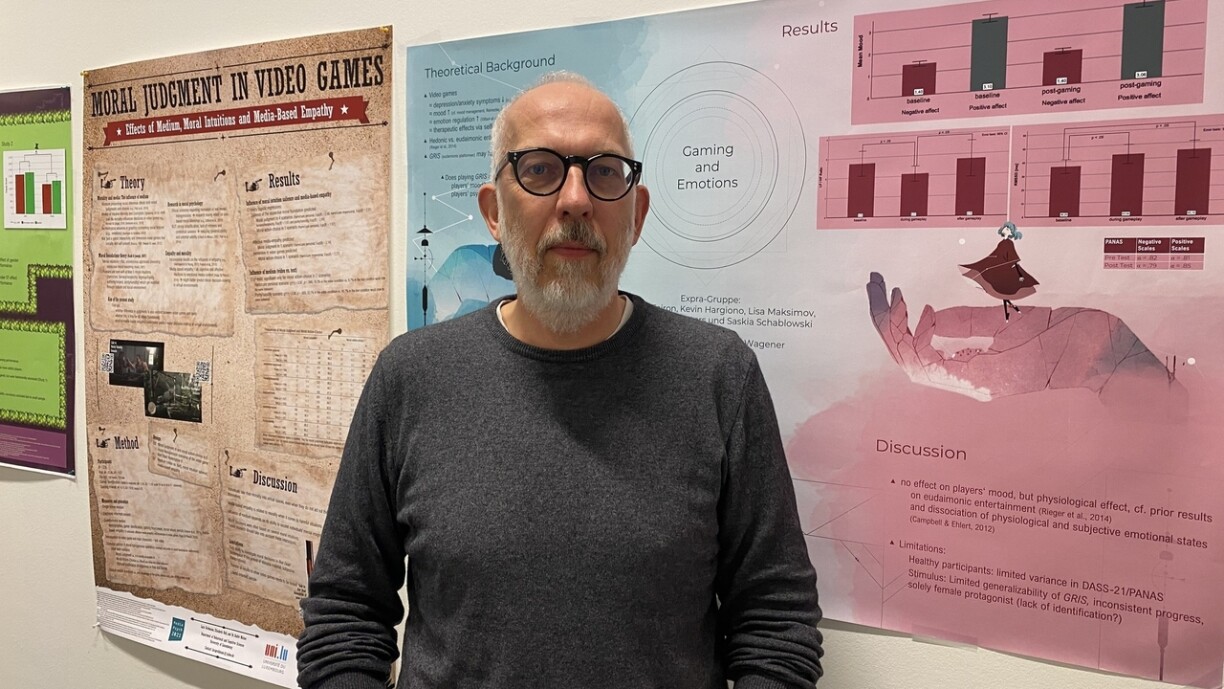
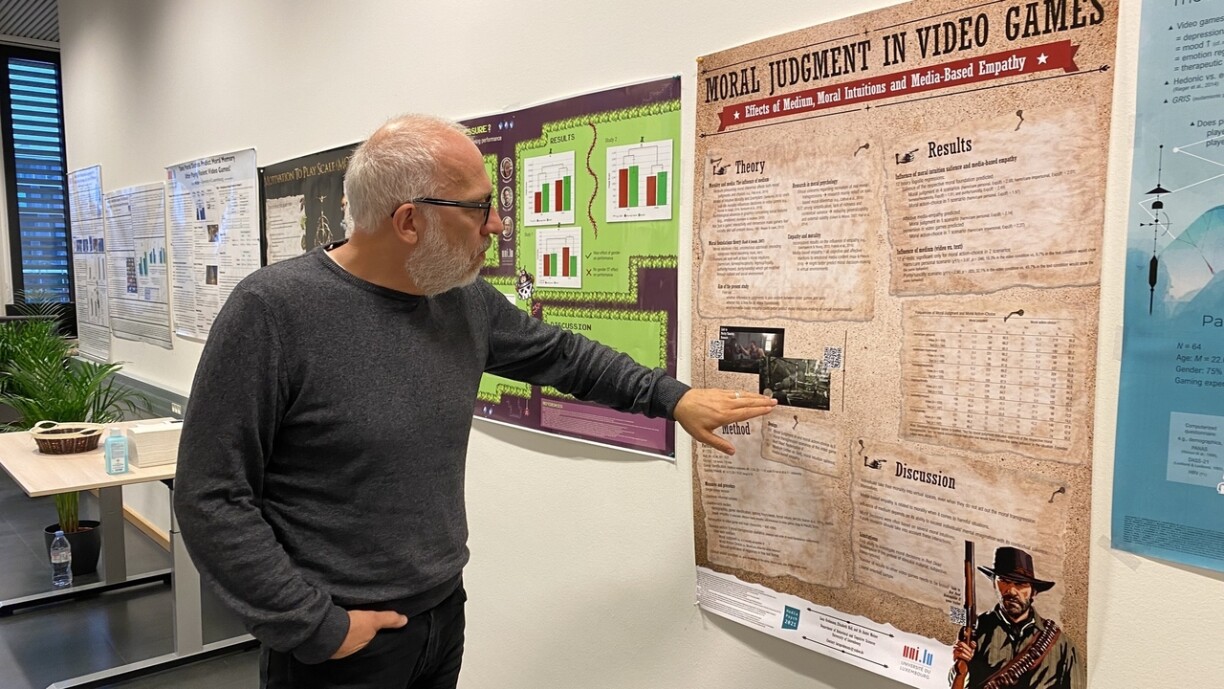
André Melzer is a German psychologist who has been collaborating with the University of Luxembourg since 2008. He specialises in social-psychology and media-psychology, especially interactive media like social media and video games.
To him, doomscrolling is a vicious cycle that people can get trapped in, when they go from reading about one catastrophe to another. People have a natural urge to stay up-to-date. This is especially the case when the news are affecting them directly or someone they are close to.
"This behaviour is additionally fuelled and supported by, for example, algorithms in social networks and social media", André adds. He then describes a situation that should sound familiar to most. "If you searched for, and watched, five cat videos in a row, you can't be surprised that the algorithm automatically suggests the next cat video. And it's the same with news cycles. You can get caught in a vicious cycle of negative and bad news."
André Melzer underlines that usually one gets trapped when being emotional about a specific topic. These emotions are then fuelled by algorithms, that adapt individually to the kind of subjects one follows and cares about.The social circle can also add to this spiral.
It has never been easier to keep oneself informed. The internet brings breaking news from all over the world at any moment of the day. According to André Melzer, this is very hard to escape.
It is important to remember that humans are creatures of habit, whether we like to admit it or not.
When one comes across a news source, that is important, helpful and relevant to you personally, you will probably come back to it in the future. More so than another source that you felt did not interest you as much. Algorithms catch that and use it to their advantage, thus support unhealthy habits.
"We humans don't stop our habits, because it costs energy, as you have to relearn things. We've always done it this way, why should we do it differently now?"
Consuming bad news is not a problem in itself. It is however important to reflect on your own behaviour and take a step back. You should actively think about why you keep doing a certain thing and think about how it makes you feel.
For example, one should ask oneself "How do I feel after reading the fifth news about what’s happening in Gaza?". To pay attention how this affects one's body and mind can be extremely difficult. But this self-aware behaviour is the first step one should take when consuming media. Especially because we are creatures of habit it can be hard to get out of a bad habit or to question a toxic behaviour.
"This can have completely different consequences for different people, and you should really think about it on all psychological dimensions. Like: Do I think about it all the time? Does it lead me to negative thinking? How do I feel about it emotionally? How does it make me feel? Do I find it stressful? Does it perhaps even spill over into my behaviour? Do I have an urge to keep looking for it, that I can't switch off, that is causing me trouble sleeping and makes me restless.... These are all warning signs but noticing them is the first thing you have to do", explains the psychologist.
It might also be important to stress thath media are not inherently good or bad.
One should remember that social media is a double-edged sword: On one hand these platforms give access to information that may burden you, but on the other hand, not every news is bad.
The psychologist talks about people living in a 'complaining society': friends bringing each other down. "But on the other hand, research clearly states that such an exchange with like-minded people or with people who are in a similar situation, can also have positive effects, so you can help each other to get out of this cycle. Social media are neither inherently good, nor bad or evil."
Other factors are also at play. For example, some people are more vulnerable and more receptive to doomscrolling if they already have depressive symptoms. Consuming a certain type of media could thus exacerbate these symptoms. Another person who is content with their life, will be less influenceable. Therefore, no general statement can be made claiming that using certain media will result in a certain type of behaviour.
André Melzer also states that since there are no answers yet to these types of behaviours, it is harder for psychologists to address them.
People are looking for simple answers. This can be observed when people resort to hate speech or when people are radicalised. Voices talking about conspiracy theories and becoming apolitical are enhanced. This is the beginning of an explanation why so many people are currently turning to conspiracies to explain the world in its current state.
To hear out other opinions and alternatives, or to actively try to think in a different direction, all costs time and energy. As creatures of habits, we prefer ready-made answers to complex problems.
"The media have a responsibility and I know that there is also a "Code of Conduct" in Luxembourg for the different media producers. The media control the information they put out, but in the end it is always up to the recipients, those who watch the news, who read the newspaper, who listen to the corresponding contributions on the internet, what they take away from it."
But André Melzer does underline that certain media producers have a better quality output than others.
When it comes to being media savvy, it's mostly children who are at a disadvantage. As younger children have trouble to differentiate between what’s real and what’s fiction, and they may take everything at face value. But a big part of being media savvy is being able to differentiate between high-quality and low-quality information. This needs to be learned. The age can play a big factor in being able to make that differentiation. However, the experience with media and how parents and peers deal with it also plays a big role. "School and parents play an important role here. I will always recommend to parents to take an interest in what their children are doing on the internet and to talk to their children and ask: 'Why are you doing this?"
This discussion is especially relevant when it comes video games. A lot of people now conclude that violent video games cause children to be violent as well. However, it is much more relevant to find out why the children like to play these games, and to mind the habits of your children.





