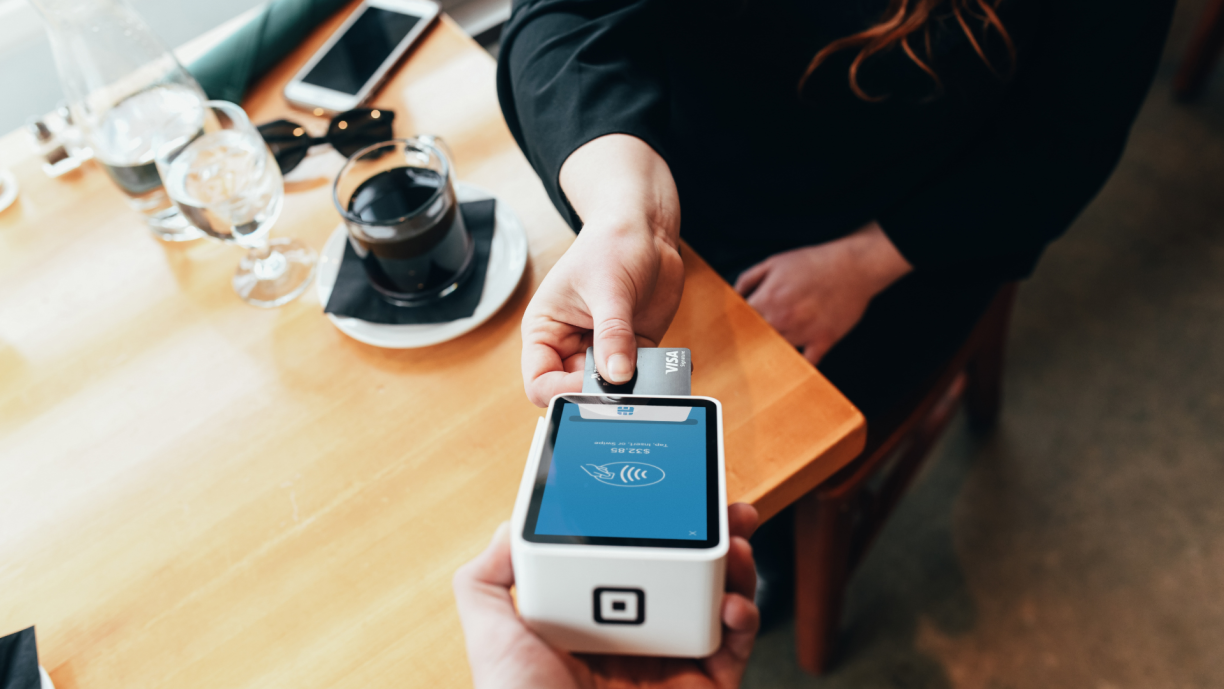
At a time when cost of living is on the rise, and card payments have become the norm, have tipping customs remained the same?
Nico Heinen, a veteran of the hospitality industry for nearly 18 years, observes a steady decline in tipping, a trend that pre-dates recent crises. The situation has worsened in the wake of the pandemic, as payments are now predominantly made through cards. While Heinen used to earn "an extra €200 to €300 a month" from tips a few years ago, today he barely accumulates a third of this by the month's end.
Christophe Diderich, whose company oversees multiple restaurants, notes that tipping has "almost become the exception." In response, he initiated a pilot project aimed at motivating customers to leave a few extra euros for service. The project introduced an intermediary step in the card payment process, allowing patrons to indicate their intention to tip. However, Diderich reports that the trial phase yielded disappointing results. Not only are tips becoming more scarce, but those who do tip are less generous. Previously, tips averaged around 10% of the bill, but now the norm hovers at just 3%.
Alain Rix, President of HORESCA (the Grand Duchy's Federation of Hotel, Restaurant, and Bar Owners), explains that, in Luxembourg, all taxes and service charges are included in the final restaurant bill, rendering tipping optional. Rix also acknowledges the diminishing prevalence of tipping but personally believes that Luxembourg residents remain "relatively generous" and are "happy to tip" when they are satisfied.
Nevertheless, Rix suggests that distinctions should be drawn between bars, restaurants, and high-end dining establishments. He also recommends leaving tips in cash.
Full report by RTL Télé (in Luxembourgish and French)





