Stressing that the CSV has neither a Google euphoria nor a Google phobia, she explained that her party is calling for a clear Google strategy. The opposition parties criticised the lack of transparency concerning the Google dossier, with Hansen raising the issue of energy use.
In her questions, she specifically asked how large the electricity use of such a data centre would be, given that Etienne Schneider described the use of a data centre as "impressive." Asking for clarification on what "impressive" refers to, she explained that she had read in the press that it meant 2,500 gigawatt hours per year. This figure is twice as much as all Luxembourg's private households put together and a third of Luxembourg's current electricity usage. As a consequence, Hansen asked where that electricity would come from.
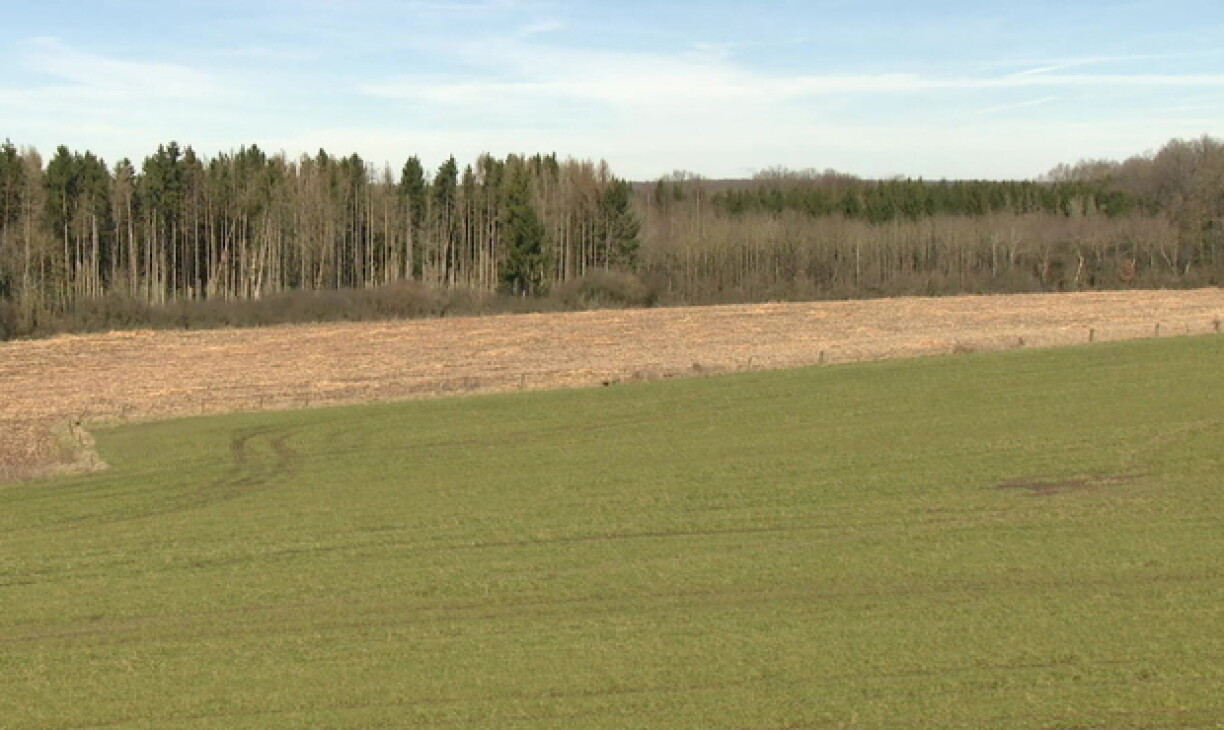
In response, Minister of the Economy Etienne Schneider affirmed that the government is discussing the data centre's energy use as well as its land and water use. However, he specified that at the current time, there were no specific plans for a "Google" project and MPs must be patient, whether they want to or not, and wait until the land has been reclassified and until Google presents a tangible project.
He admitted that he finds the manner of Google's communications timid and perhaps a bit too timid. He believed the project to be good and that they would be better off in telling those involved what exactly they expect.
After Schneider spoke, the Minister for Energy explained that the government will only know how much energy and water Google will use up when the company submits their file. He also expressed his surprise that politicians who had previously been in power were acting as if the country lacked procedures for these types of files.
The ADR also prepared a motion calling for the government to start an impact study on the data centre. Minister for the Environment Carole Dieschbourg responded by explaining that the government's procedures include receiving an environmental impact study, making the motion void. The government will receive this study at the moment when it has all the data concerning the technology and when it is able to examine the project as a whole.
Globally, the government's position was that the project can only be valued when it has all the required information.





