Over the past few days, Bitcoin has gone through a real roller coaster ride. On 14 August, the world's leading cryptocurrency surged to a record high of $124,000, only to plunge shortly afterwards and eventually stabilise around $113,000 by 20 August.
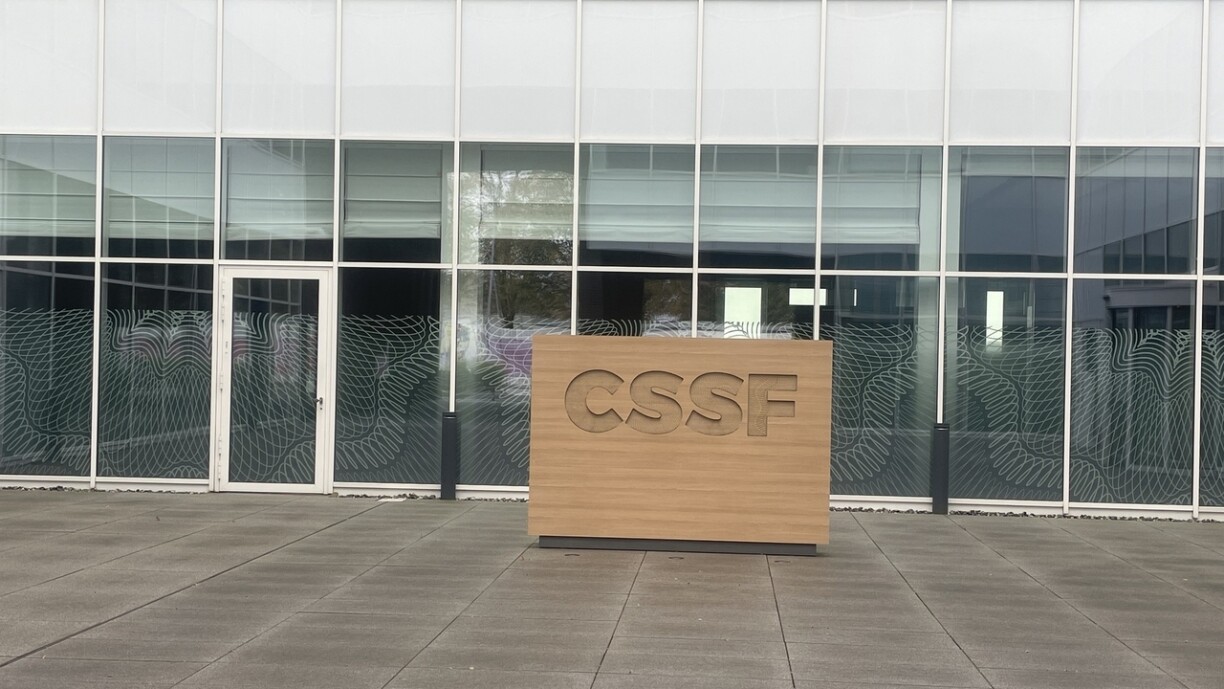
Luxembourg's Financial Sector Supervisory Commission (CSSF) is well aware of crypto's volatility. Kevin Rebelo from the CSSF makes an appeal to the public, urging them to know what they're investing their money in.
"You have to know that you can double €1,000 just as easily as you can lose it. It's important to only invest what you can afford to lose."
The extreme fluctuations are mainly driven by current sentiments around conventional financial markets, US customs, as well as interest rate policies. And yet, institutional investors such as funds are increasingly putting money into cryptocurrencies.
This also includes the Luxembourg government; Prime Minister Luc Frieden makes no secret of the support behind developing cryptocurrencies. "Of course, only with an adequate legal framework", he adds, announcing that a crypto platform named Coinbase has been granted authorisation.
CSSF's Rebel explains that the platform received the Crypto-Assets Service Providers (CASP) license in the Grand Duchy, which is already held by Bitstamp and Clearstream.
Platforms holding this license are under the supervision of the CSSF, which offers customers greater security, but Rebelo warns that there remain many scams in the crypto space.
"We receive 10 to 15 emails per day on this topic, often from victims abroad. Scammers use Luxembourgish company names to fake credibility. They trick people with fake websites and trading platforms, and people then invest in crypto there, which at first seems fine. But after a few weeks or months, the platforms stop working – and that's when people realise their money is gone."
Many victims then turn to the CSSF for help to recover their money. Unfortunately, the financial regulator cannot do more than forward the case to the police.





