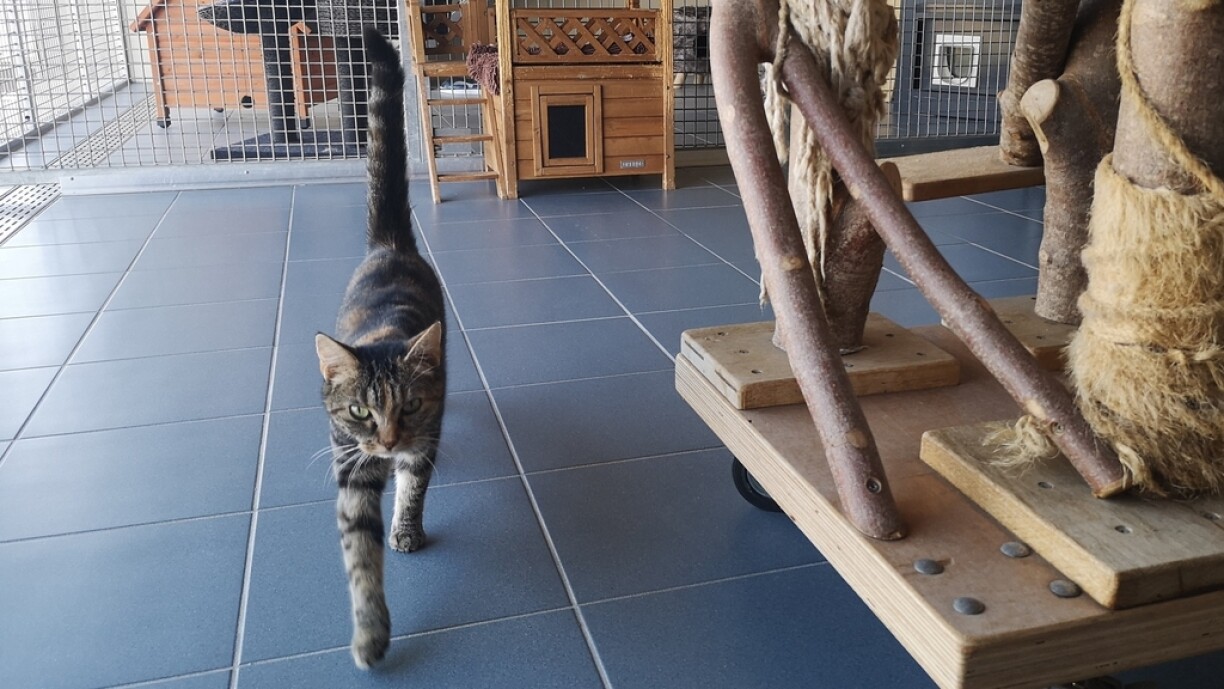
Some animal shelters, notably in France, have experienced a surge in the number of abandoned animals as a result of the pandemic.
Pet owners are getting rid of their four-legged friends, mistakenly believing they represent a risk of transmitting the virus to humans. Health authorities, including the National Health Security Agency, have reiterated that dogs and cats cannot transmit the virus.
Another reason for the high number of abandoned pets in France is the lack of sterilisation in March and April, particularly for cats.
From 11 May, the end of lockdown, to 2 August, 9,947 abandoned pets were rescued in France by 62 shelters.
The National League for the Protection of Animals (the Lëtzebuerger Déiereschutzliga), which has run the animal shelter in Gasperich since 2012, stated their surprise at the fact the number of abandoned animals had not risen during the health crisis in Luxembourg. Vice-president Liliane Ferron told RTL that apart from cases of mistreatment, no abandoned pets had been reported from mid-March to mid-May, when the country was in lockdown.
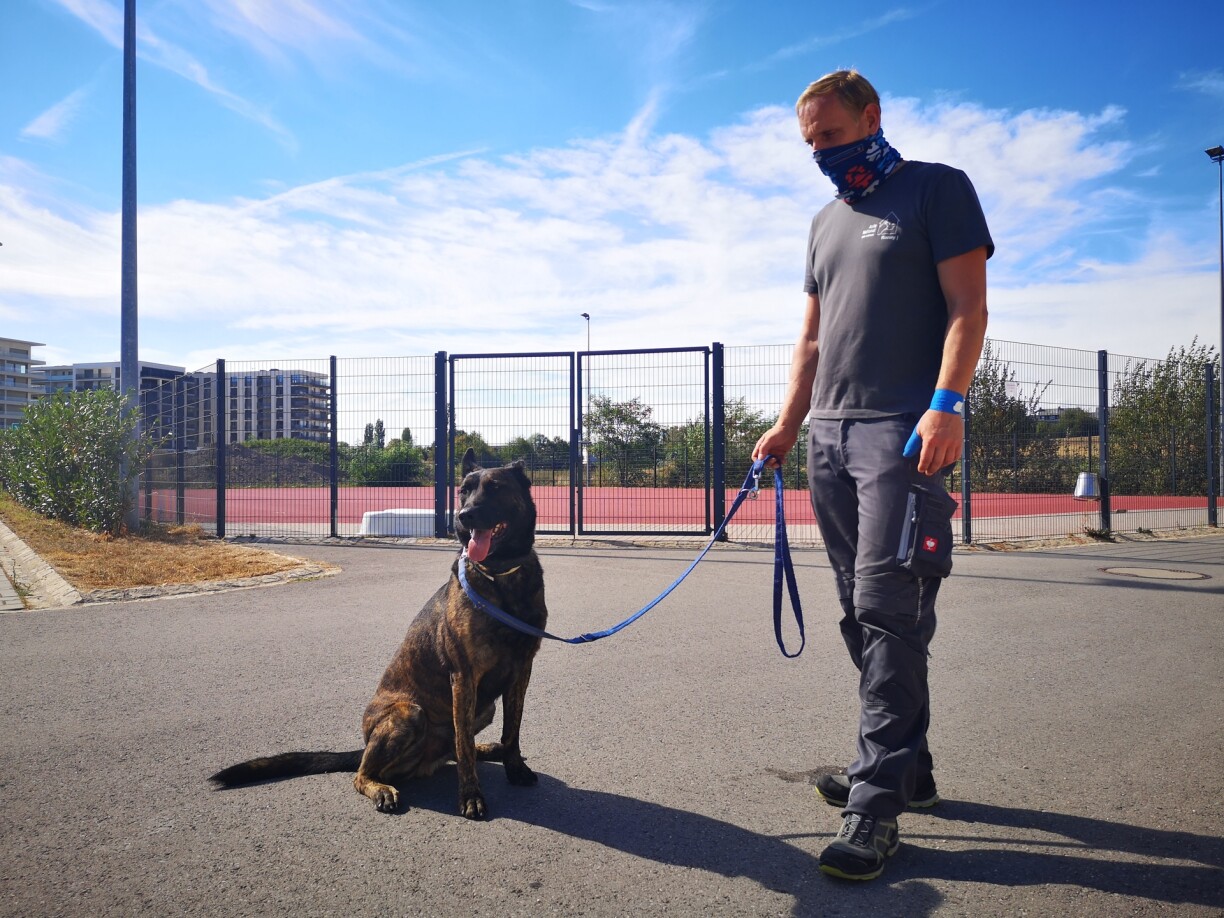
Although the shelter was closed to the public for two months, its residents benefited from additional attention courtesy of the volunteers. Ferron explained staff continued to care for and exercise the animals, as well as taking calls.
However, some calls were more concerning than most. Ferron cited one caller who wished to adopt a dog to stop his young son from spending time in front of screens during lockdown. When questioned on his plans for the dog once lockdown ended, he replied he did not know and would likely return the dog to the shelter.
Unfortunately, the summer period is traditionally when the number of abandoned animals rises exponentially, as holidaymakers do not make appropriate care arrangements for their pets.
In spite of this, it is not difficult for the shelter to locate owners of abandoned pets, particularly in Luxembourg where electronic identification is mandatory.
In 2016, the national asylum housed 1,016 animals, including 543 dogs and 473 cats. By 2019, the number had fallen to 842: 438 dogs and 404 cats. The Grand Duchy has several shelters, but no statistics have been established at the national level.





