Planned construction in 'archaeological observation zones', for instance, are automatically subject to detailed examinations. The chances of a construction project being halted after an archaeological artefact are perhaps not incredibly high, but the phenomenon does occur. When this does happen, this is a costly situation for the landowners, who also lose a large chunk of time to allow for archaeologists to excavate the discovery in question.
Cue the idea of preventative archaeology, which establishes the above 'archaeological observation zones'. Here, areas due to become construction sites are examined in great detail before the constructors get the bulldozers in. Amongst other things, the soil is subject to surveys to determine whether there may be any archaeological evidence buried deep. If the surveys come back with a negative result, then the National Archaeological Research Centre (CNRA) gives constructors the approval to start work.
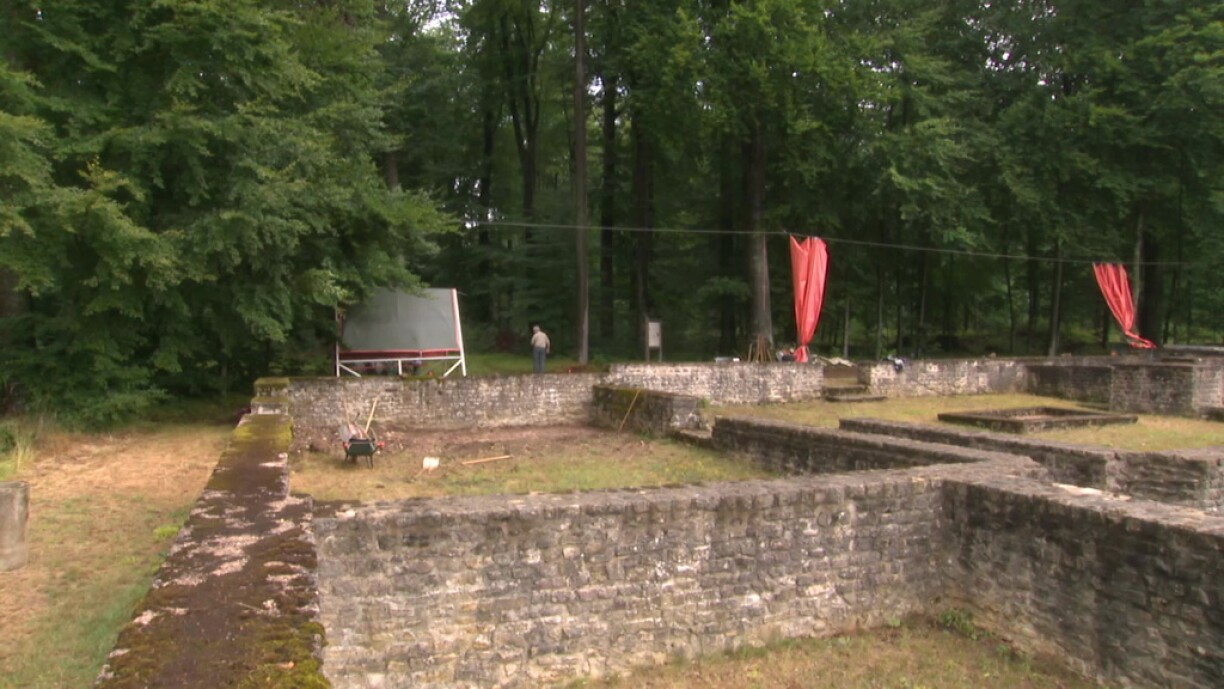
However, in around 10% of cases, surveys come out positive and this means that the CNRA is quite likely to launch an excavation. These excavations must be adapted to whatever might lurk beneath the ground, namely walls, tombs, wooden constructions, or neolithic sites. The CNRA may even dispatch technical specialists to the site depending on the discovery made.
Some architects or promoters might even voluntarily contact the CNRA years before a project is due to start. But once the law is passed, they will have to contact archaeologists in a systematic manner before progressing to the construction phase of such projects. Whilst for some, it may sound cumbersome to add another step to planning permissions, the measure is predominantly targeted at preventing time-wasting and unhappy surprises once work is underway.
From the perspective of archaeologists, the purpose is to be able to scientifically document excavations and discoveries before any potential destruction. It is very rare in Luxembourg for a project to be completely stopped by a rare archaeological discovery. Such a case occurred in Vichten around 25 years ago, where a Roman mosaic was found during a private project. Nevertheless, these are usually isolated cases.
Usually, sites are examined and documented prior to being destroyed. If a site is not meant for construction, archaeologists have a preference for keeping discoveries. Analysis techniques are also evolving quickly, which means that details concerning the past could be updated thanks to new technology.
As for the duration of excavations, this is difficult to estimate and depends on what was found. The CNRA also highlighted that it has a lack of personnel currently and is seeking new recruits.
Heritage Series 7: Exporting the Gëlle Fra would not be possible under new law





