
In recent months, reports of two cases of sexual harassment in Bettembourg drew significant public attention, largely because the suspected perpetrator was just 12 years old. Such incidents prompt urgent questions about how society handles cases involving children who commit serious offences.
Experts stress that young people who engage in these acts often struggle with their own mental health issues and traumas, which can be key factors behind their behaviour.
Rather than focusing solely on punishment, there is a pressing need for psychological and medical support.
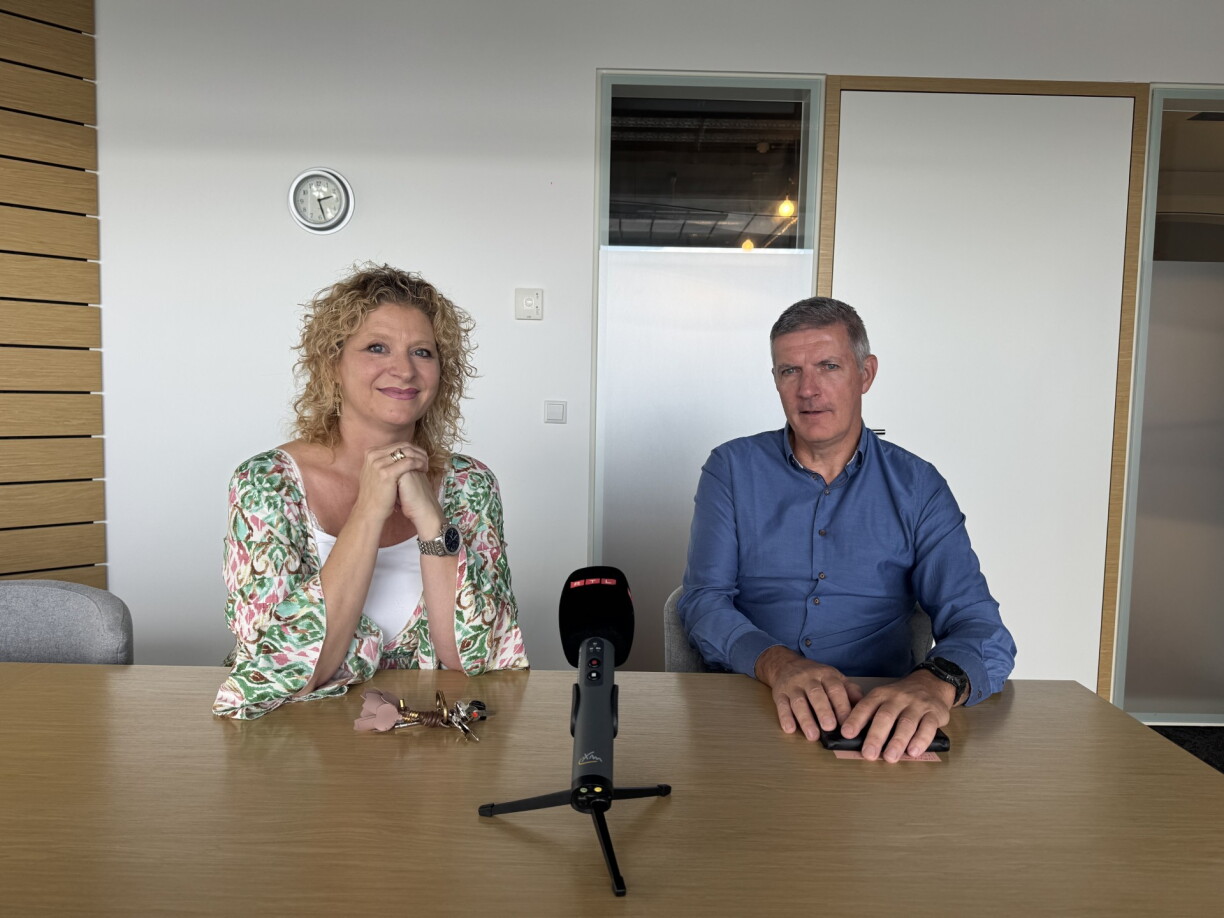
In Luxembourg, the Association for Social Paediatrics (ALUPSE) plays a central role in this area. ALUPSE works with families and children from infancy through to adolescence and provides support where needed.
In 2024, ALUPSE launched a new initiative called ALUPSE Cosmos, specifically aimed at minors who display problematic sexual behaviour.
According to Sophie Feller, ALUPSE’s Head of Operations, the Cosmos service is "a specialised support unit" whose mission is to evaluate and provide therapeutic care for minors exhibiting inappropriate sexual behaviour, as well as physical and psychological violence.
At ALUPSE Cosmos, a multidisciplinary team, which includes psychologists, educators, and paediatricians, works to uncover the reasons behind such behaviour. According to paediatrician Dr Jean Bottu, it is crucial not to stigmatise young offenders, as these children are often dealing with profound personal suffering.
In many instances, children who act out in ways that would be considered reprehensible in adults are actually expressing the effects of their own past traumas and hardships. This background frequently shapes their actions and makes it all the more important to address the underlying causes rather than focusing solely on the consequences.
Dr Bottu and other experts highlight the importance of strong cooperation between the justice system and psychosocial support teams in dealing with such cases.
Approaches centred only on punishment can often be counterproductive, while what these young people need most is guidance, structure, and the right support to avoid committing similar offences in the future. Education is also essential in this context, but new risks are constantly emerging, particularly those linked to the omnipresent use of smartphones.
Smartphones, Dr Bottu warns, have become a significant tool for enabling sexual harassment and offences in general.
He underlines the importance of educating both children and adults about responsible screen use, noting that adults must set the example if children are to learn healthy boundaries.
Since its launch in 2024, ALUPSE Cosmos has already provided support to 250 minors in Luxembourg who have committed sexual offences, demonstrating the scale and urgency of the issue.
For more information on ALUPSE’s work, which is funded through an agreement with the Ministry of Health, visit ALUPSE.lu.





